


From July 17 to 20, the 2026 World AI Conference and High-Level Meeting on Global AI Governance was held in Shanghai.
Just one day before the opening of this conference, the signing ceremony of the Agreement on the Establishment of The World Artificial Intelligence Cooperation Organization was held in Shanghai. The World Artificial Intelligence Cooperation Organization was established in Shanghai, representing a major initiative by China in response to the calls of the Global South and in mobilizing the international community to actively promote AI development and governance. It will become an important milestone in the history of artificial intelligence development.
The initiative received widespread praise from international guests and institutional representatives, who commended the organization’s commitment to “leaving no one behind” and noted that it injects fresh momentum into international cooperation on global AI governance. They emphasized that AI governance cannot be achieved through unilateral efforts, but requires collective action. Artificial intelligence, they argued, should serve as a bridge connecting people rather than a tool for division.
Among the experts interviewed by the CGTN Frontline were Armin GRUNWALD, Director of the Institute for Technology Assessment and Systems Analysis at the Karlsruhe Institute of Technology and Director of the Office of Technology Assessment at the German Bundestag; Golestan Sally RADWAN, Chief Digital Officer of the United Nations Environment Programme (UNEP) and Trustee of the Alan Turing Institute; Joseph Muliaro WAFULA, Director of the Africa Centre of Excellence for Artificial Intelligence and Associate Professor at Jomo Kenyatta University of Agriculture and Technology; Danil KERIMI, Vice-Chair of the Independent Advisory Oversight Committee (IAOC) of the World Intellectual Property Organization (WIPO) and Member of the Board of Directors of the Council of the Great Lakes Region; and Chen Zhimin, Vice President of Fudan University and Executive Director of the Center for Global AI Innovative Governance. These speakers participated in the forum “Global AI Governance and Sustainable Development: Challenges and Responses” of the 2026 World AI Conference hosted by the Center for Global AI Innovative Governance and Fudan University on July 17.
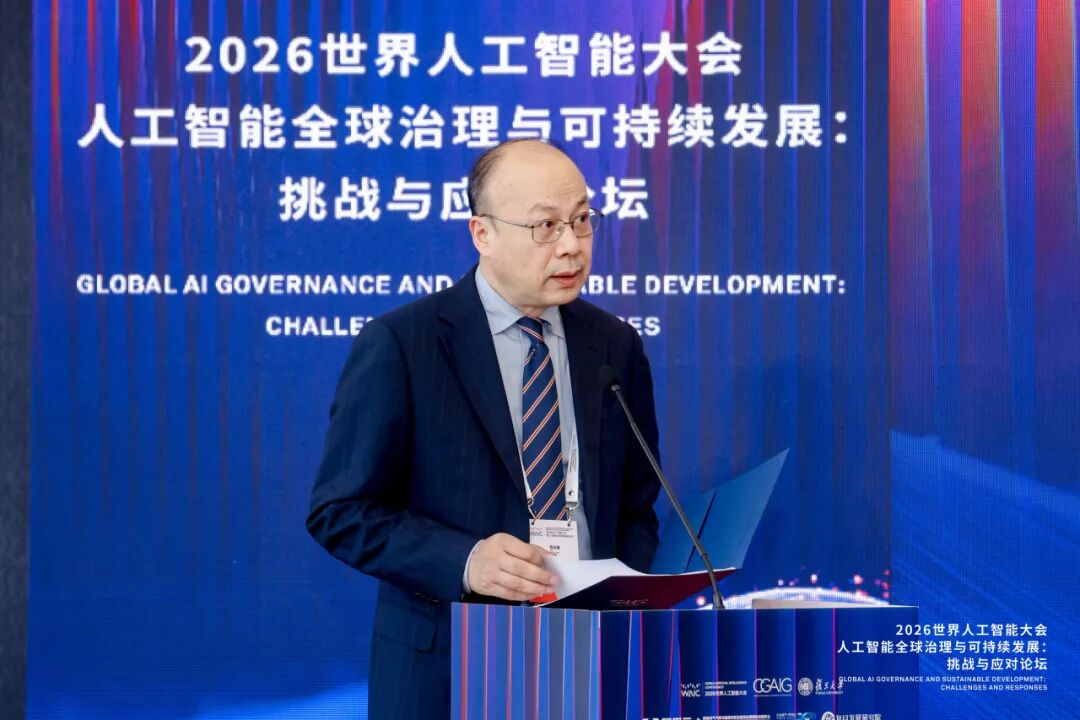
Chen Zhimin, Vice President of Fudan University and Executive Director of the Center for Global AI Innovative Governance, chairs the forum “Global AI Governance and Sustainable Development: Challenges and Responses” at the 2026 World AI Conference
Photo source: Center for Global AI Innovative Governance (CGAIG)

Armin Grunwald (third from left), Danil Kerimi (fourth from left), and Golestan Sally Radwan (third from right) participate in the roundtable discussion at the forum “Global AI Governance and Sustainable Development: Challenges and Responses” during the 2026 World AI Conference
Photo source: Center for Global AI Innovative Governance (CGAIG)

Joseph Muliaro Wafula (far right) participates in the roundtable discussion at the forum “Global AI Governance and Sustainable Development: Challenges and Responses” during the 2026 World AI Conference.
Photo source: Center for Global AI Innovative Governance (CGAIG)
The following are selected remarks by participating speakers, compiled by the Center for Global AI Innovative Governance based on reports by the CGTN Frontline.
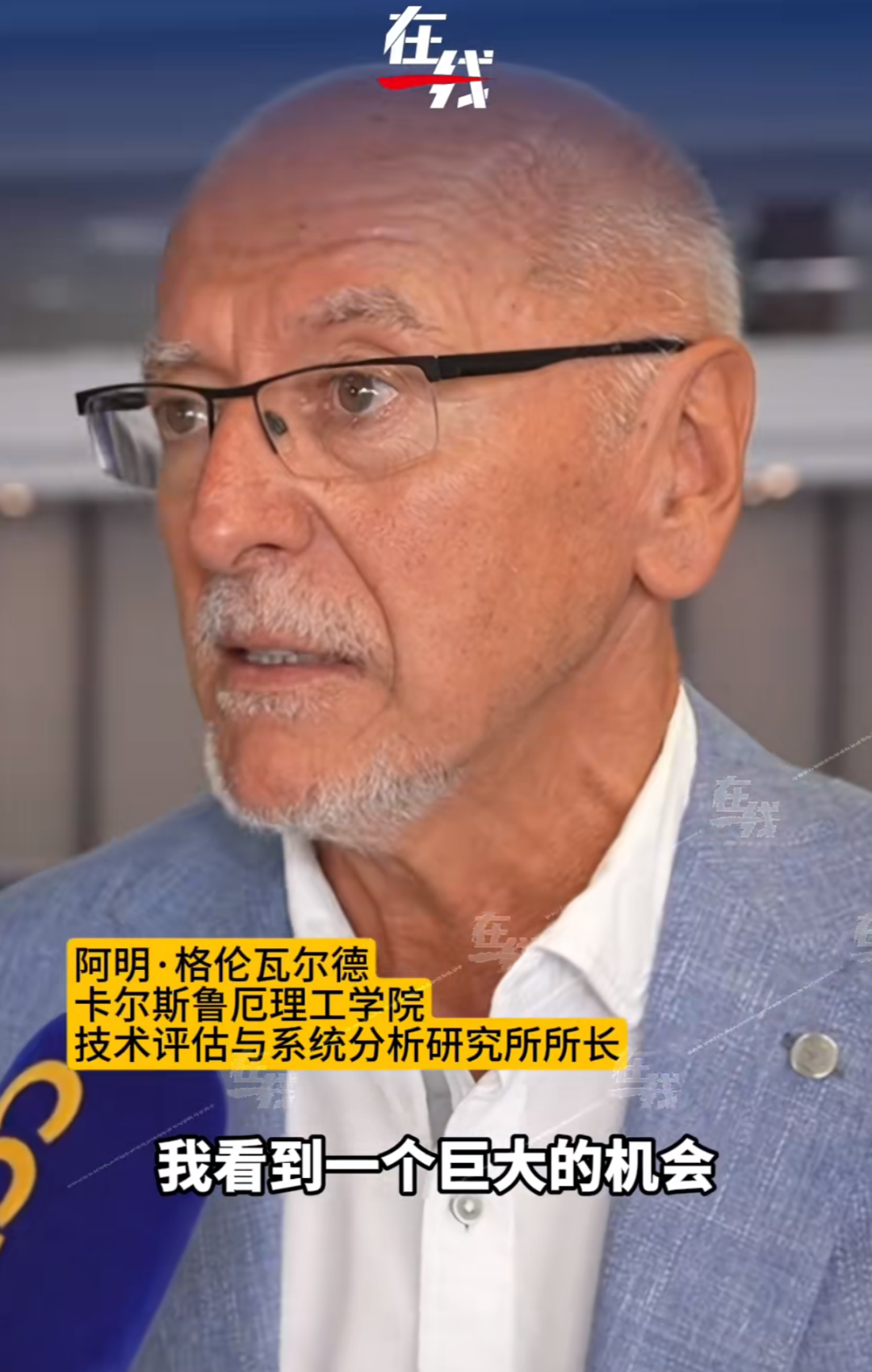
Armin Grunwald, Director of the Institute for Technology Assessment and Systems Analysis (ITAS) at the Karlsruhe Institute of Technology (KIT) and Director of the Office of Technology Assessment at the German Bundestag (TAB), the German federal parliament, said, "There's a huge opportunity now to really come back to a more cooperative approach, and I see a lot of willingness here to do so."
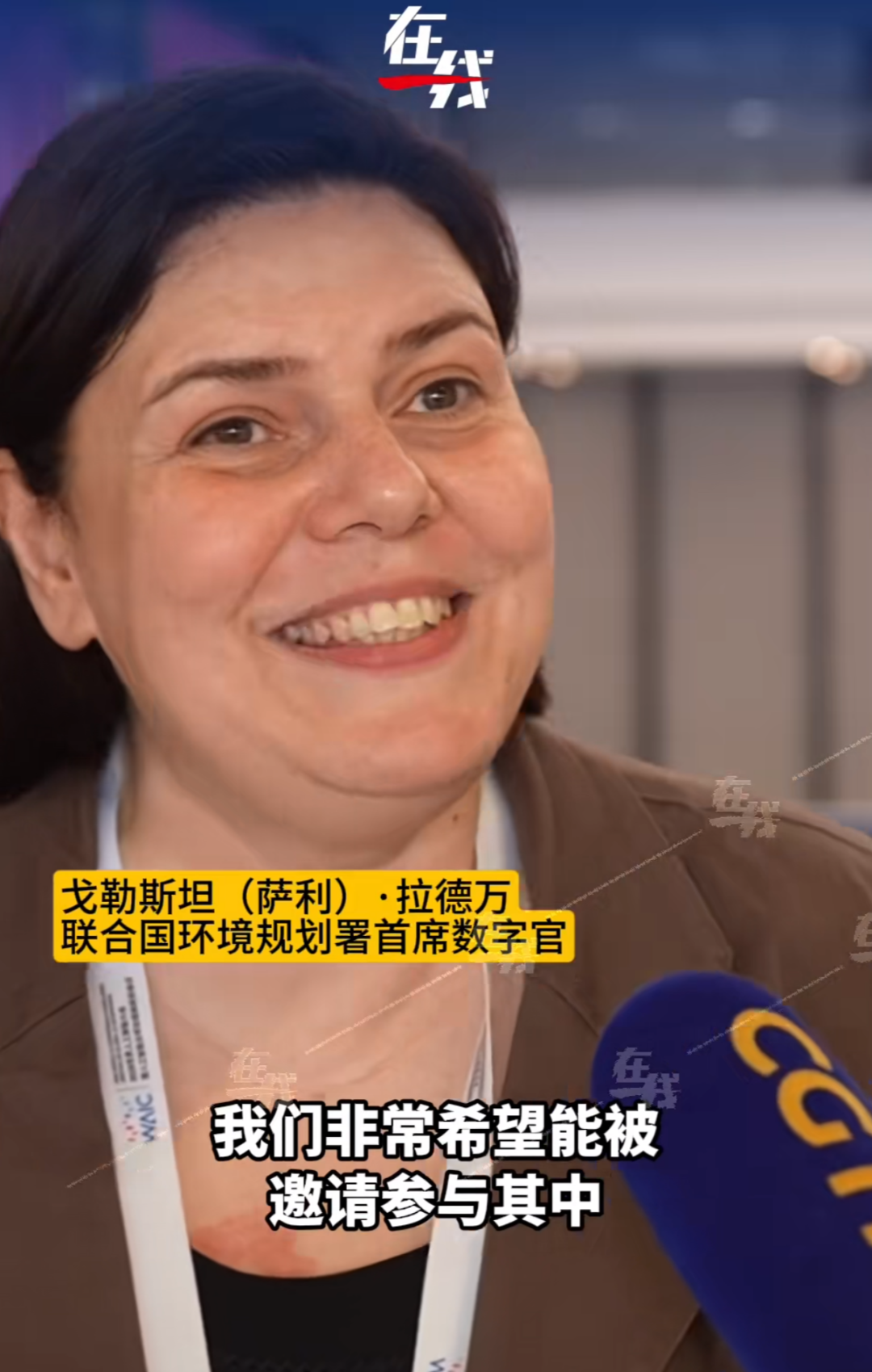
Golestan Sally Radwan, Chief Digital Officer of the United Nations Environment Programme (UNEP) and Trustee of the Alan Turing Institute, said, "We very much hope to be invited to participate. So far, it's mainly between countries, which is great in itself, because more AI cooperation is definitely needed."
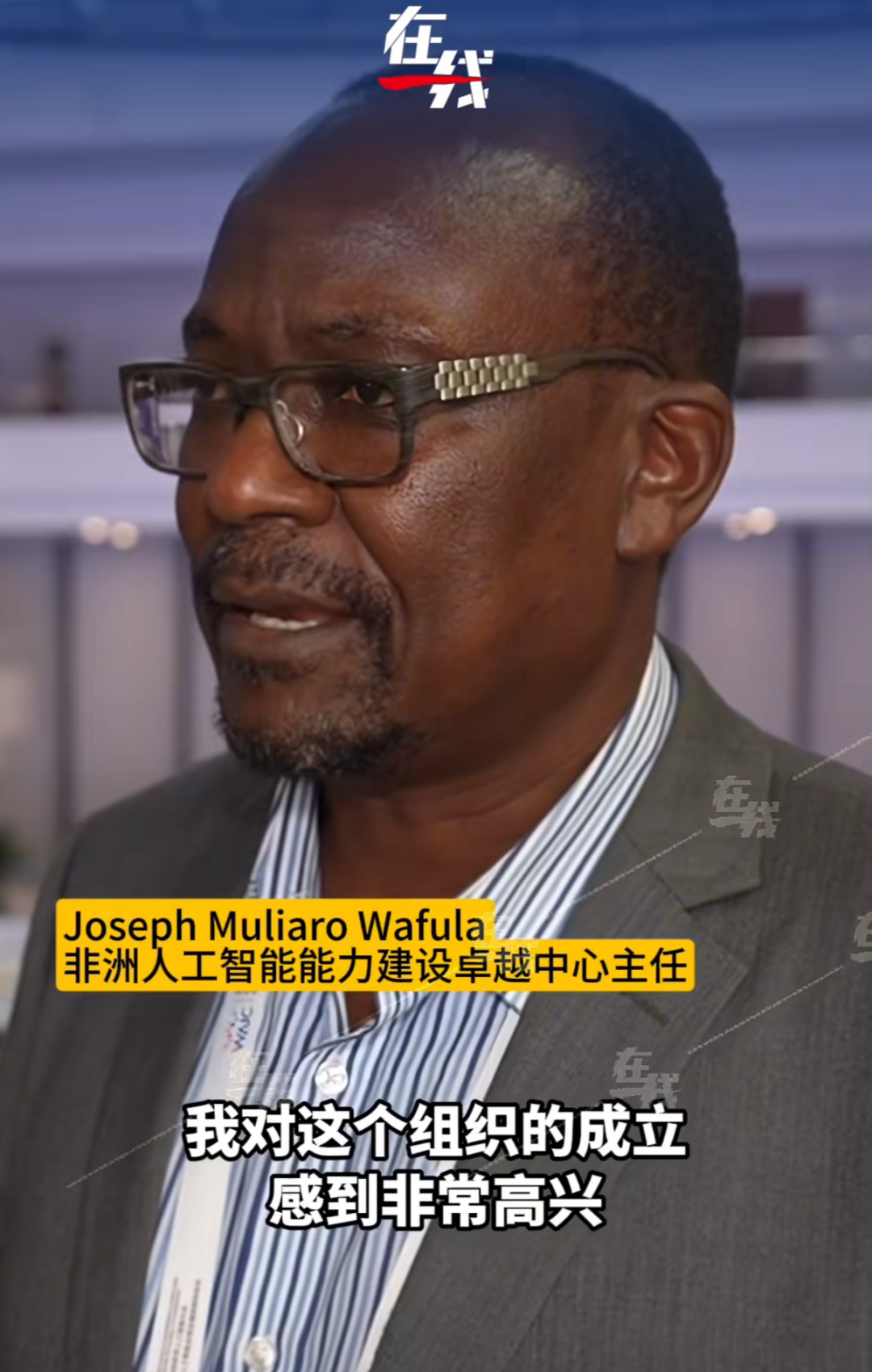
Joseph Muliaro Wafula, Head of the AI Centre of Excellence for Capacity Building Africa (AICEX-Africa) and Associate Professor at Jomo Kenyatta University of Agriculture and Technology, said, "I'm very happy to hear this announcement. Fudan University is one of the members of the UN-supported Global Network for Exchange and Cooperation on AI Capacity Building, and my university and my country are also members of that network. So with that existing infrastructure of cooperation already in place, we can accelerate the process."
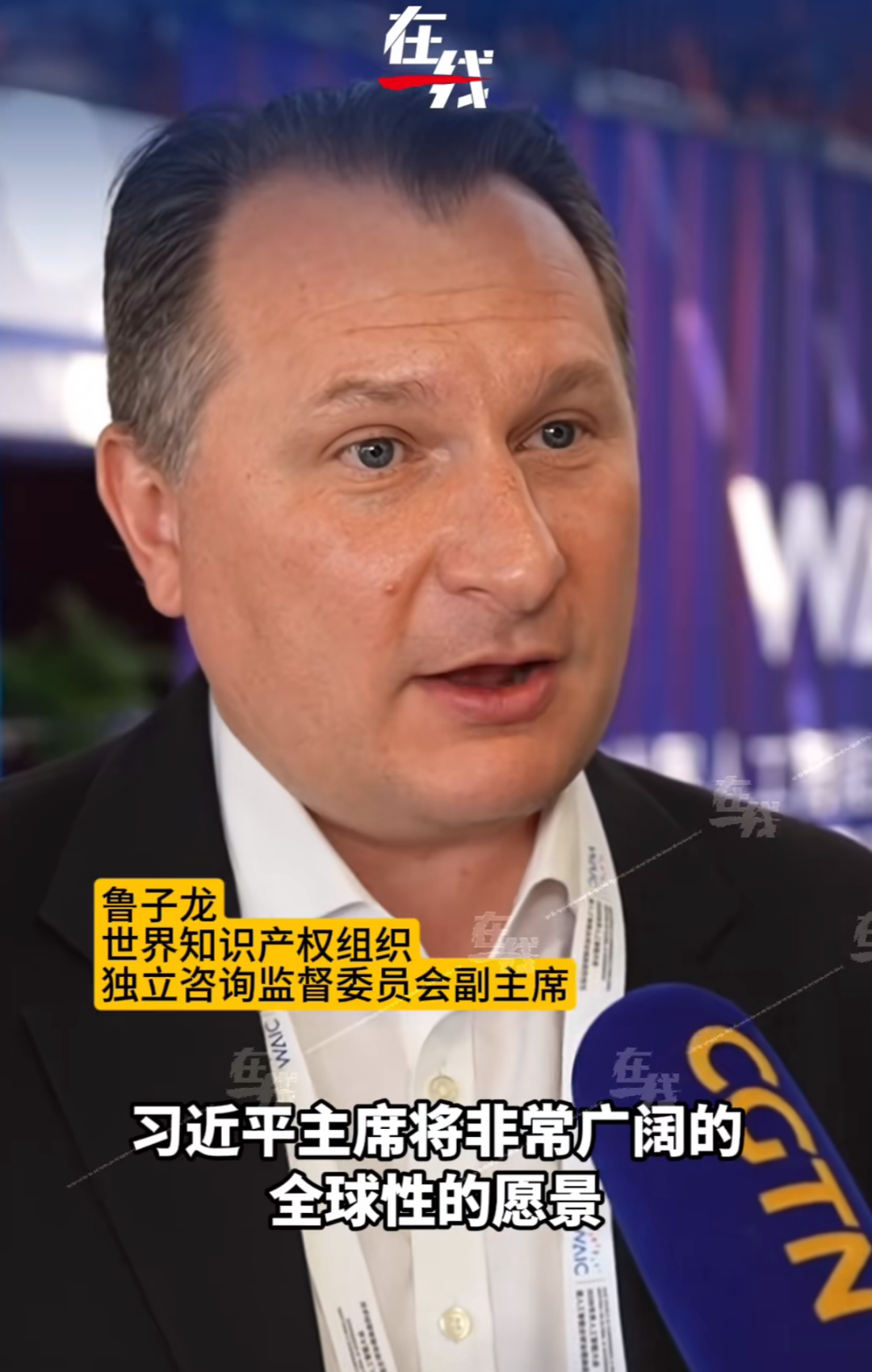
Danil Kerimi, Vice-Chair, WIPO Independent Advisory Oversight Committee (IAOC) and Board Member, Council of the Great Lakes Region (CGLR), said, "President Xi connected a very broad, global vision to very practical, collaborative opportunities, and he gave specific numbers. When he said we're going to train this many students, I mean, that's a real number, one that will have to be met. I think that's very exciting."
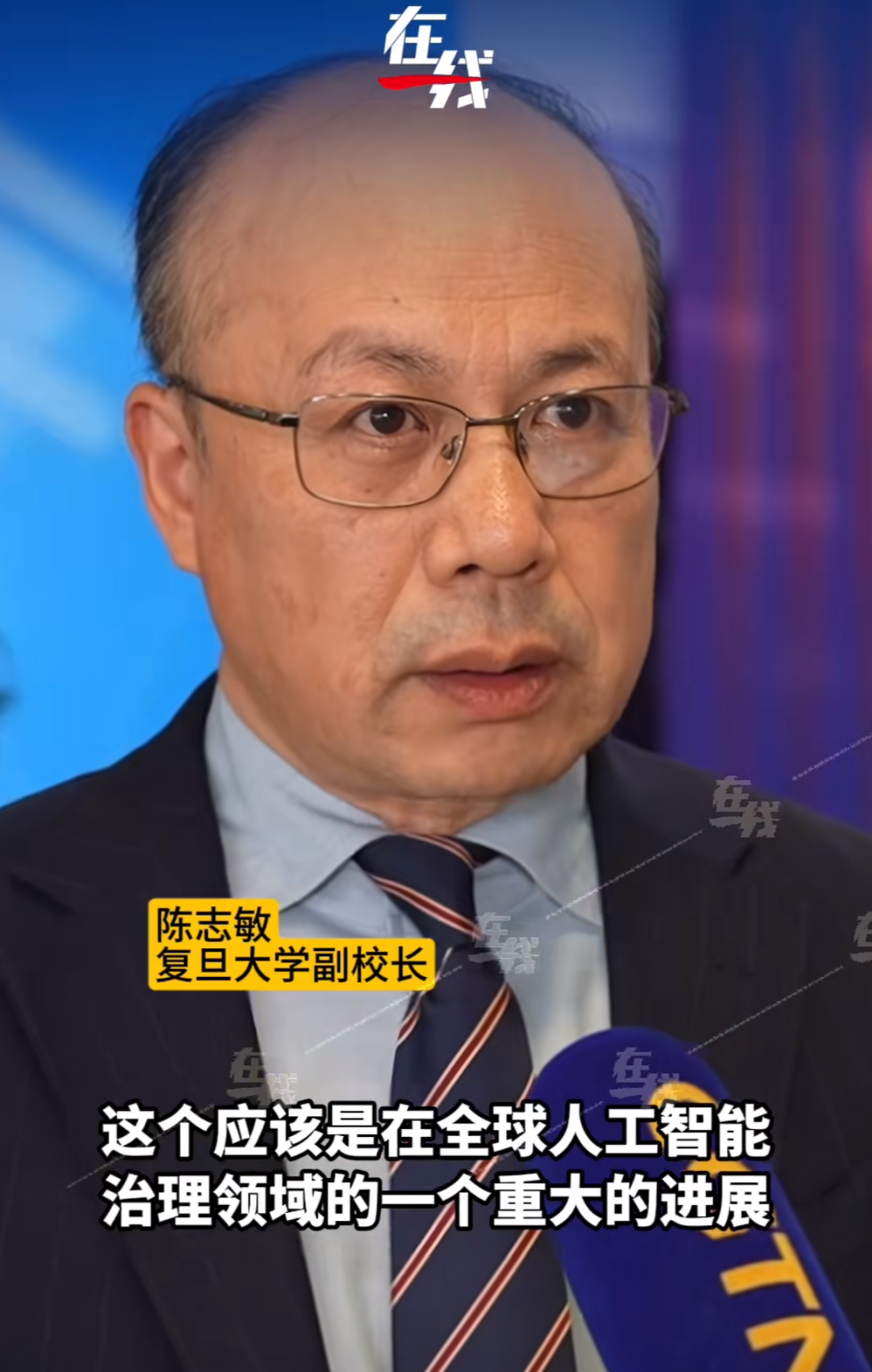
Chen Zhimin, Vice President of Fudan University and Executive Director of the Center for Global AI Innovative Governance, said, "This should be seen as a major step forward in global AI governance. It will help raise the overall capacity level of global AI governance."
Original URL:
https://mp.weixin.qq.com/s/ay-H2a3cSLGHB9Mpxnmafg