

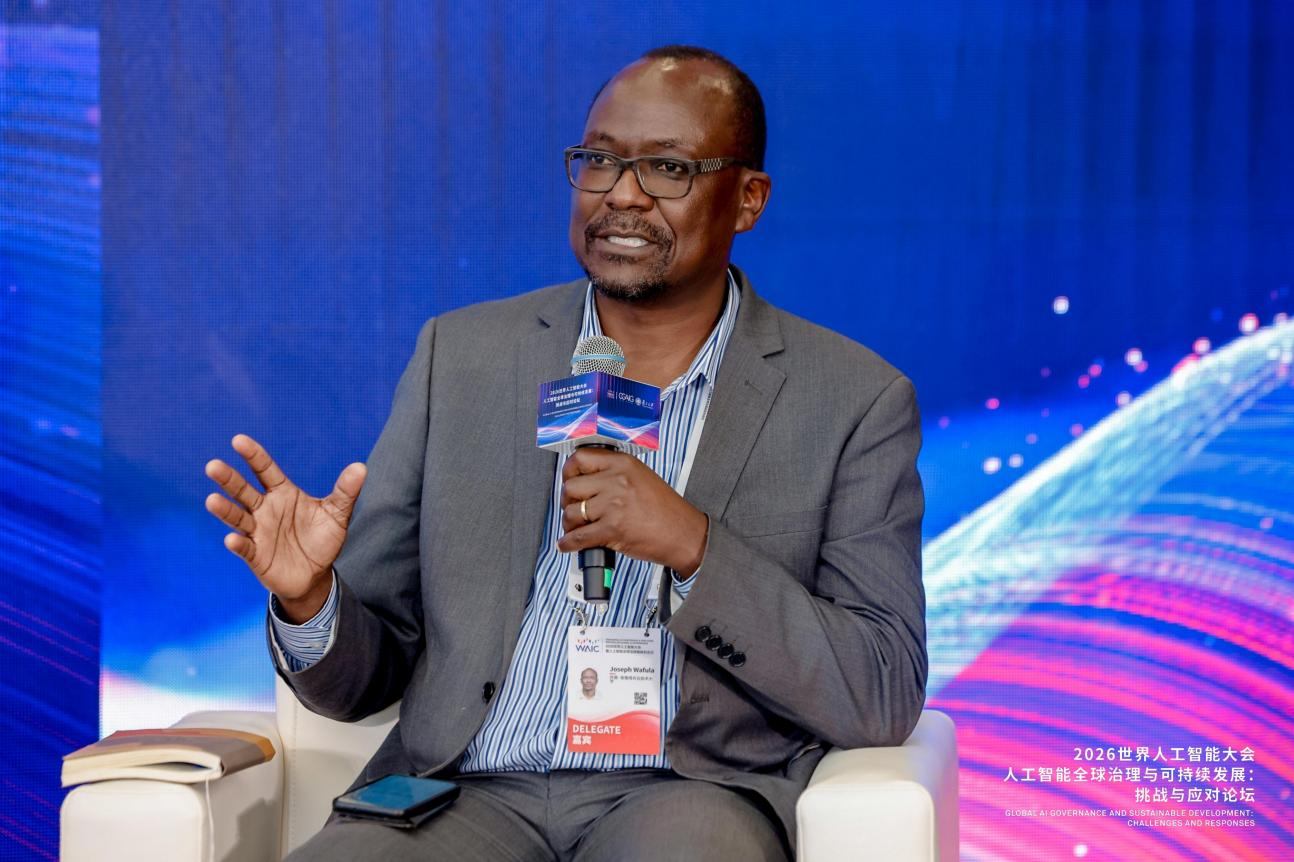
Joseph Muliaro WAFULA
Head of the AI Centre of Excellence for Capacity Building Africa; Associate Professor at Jomo Kenyatta University of Agriculture and Technology
Question: You led the working group that developed the network's offer sheet. Drawing on experience in Kenya, Africa and the wider Global South, where can this tool have the greatest impact, and how can the network turn resource matching from a document into reality?
The capacity-building network should create an equitable resource ecosystem in which every member can both identify needs and contribute talent, expertise, laboratory environments, compute, data or test beds. An offer sheet can make each center's AI maturity and shareable resources visible, enabling meaningful analysis and accurate matching of supply and demand. For Africa, open science and the FAIR data principles can mitigate uneven resource distribution by making data findable, accessible, interoperable and reusable, while allowing countries with compute, data or application environments to complement one another. The network should also provide a strategic blueprint that guides countries from lower to higher levels of AI maturity. No country should have to wait until it possesses every prerequisite before becoming an active participant. The clearest measure of success will be tangible, reproducible and demonstrable use cases generated through the network. Such results can build trust among countries; without trust, resource sharing, scaled deployment and AI for the public good cannot be sustained.