

On the day before the opening of the 2026 World AI Conference and High‑Level Meeting on Global AI Governance, the signing ceremony of the Agreement on the Establishment of the World Artificial Intelligence Cooperation Organization was held in Shanghai. The founding of this organization constitutes a major initiative by China in response to the calls from the Global South and in rallying the international community to actively advance AI development and governance. It also marks an important milestone in the history of artificial intelligence.
Danil KERIMI, Member of the International Advisory Board of the Center for Global AI Innovative Governance, Vice‑Chair of the Independent Advisory Oversight Committee of the World Intellectual Property Organization (WIPO), and Member of the Board of Directors of the Council of the Great Lakes Region, stated in an interview forVoice Unplugged, an authoritative international communication opinion‑based video program produced by China.org.cn under the China Foreign Languages Publishing Administration, that China plays an important role in advancing artificial intelligence governance at the international level. Below are the English transcripts of the interview with Mr. Danil KERIMI.
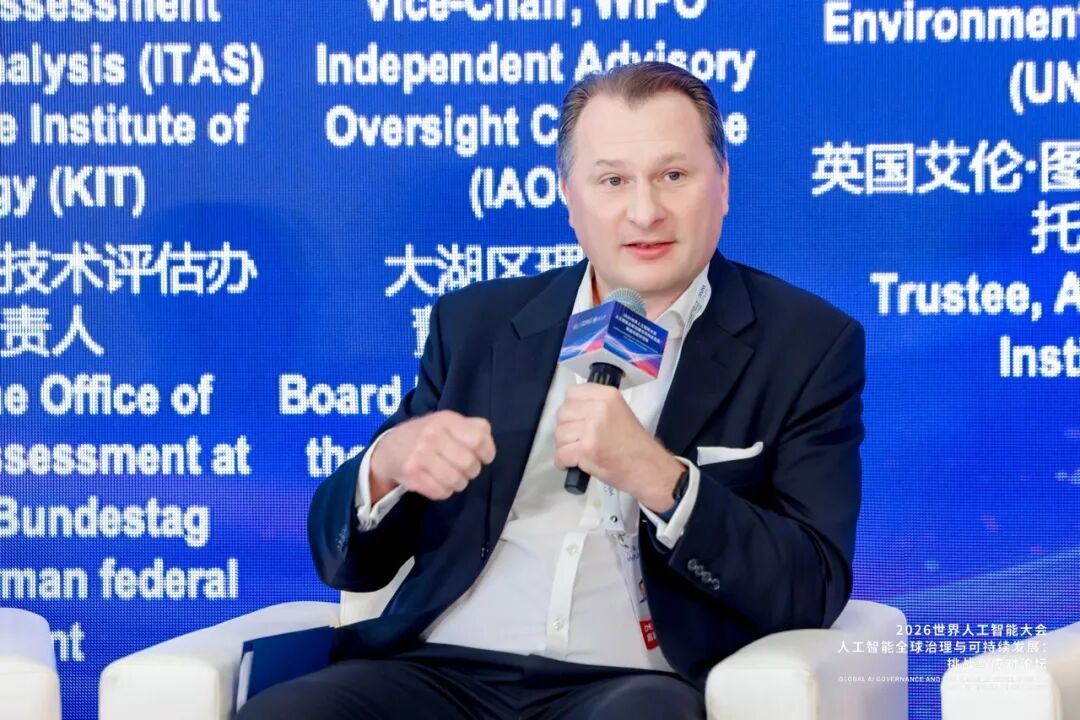
Danil KERIMI, Vice‑Chair of the Independent Advisory Oversight Committee (IAOC) of the World Intellectual Property Organization (WIPO) and Member of the Board of Directors of the Council of the Great Lakes Region, took part in the round‑table discussion of the forum “Global AI Governance and Sustainable Development: Challenges and Responses” hosted by the Center for Global AI Innovative Governance and Fudan University at the 2026 World AI Conference.
Source: Center for Global AI Innovative Governance
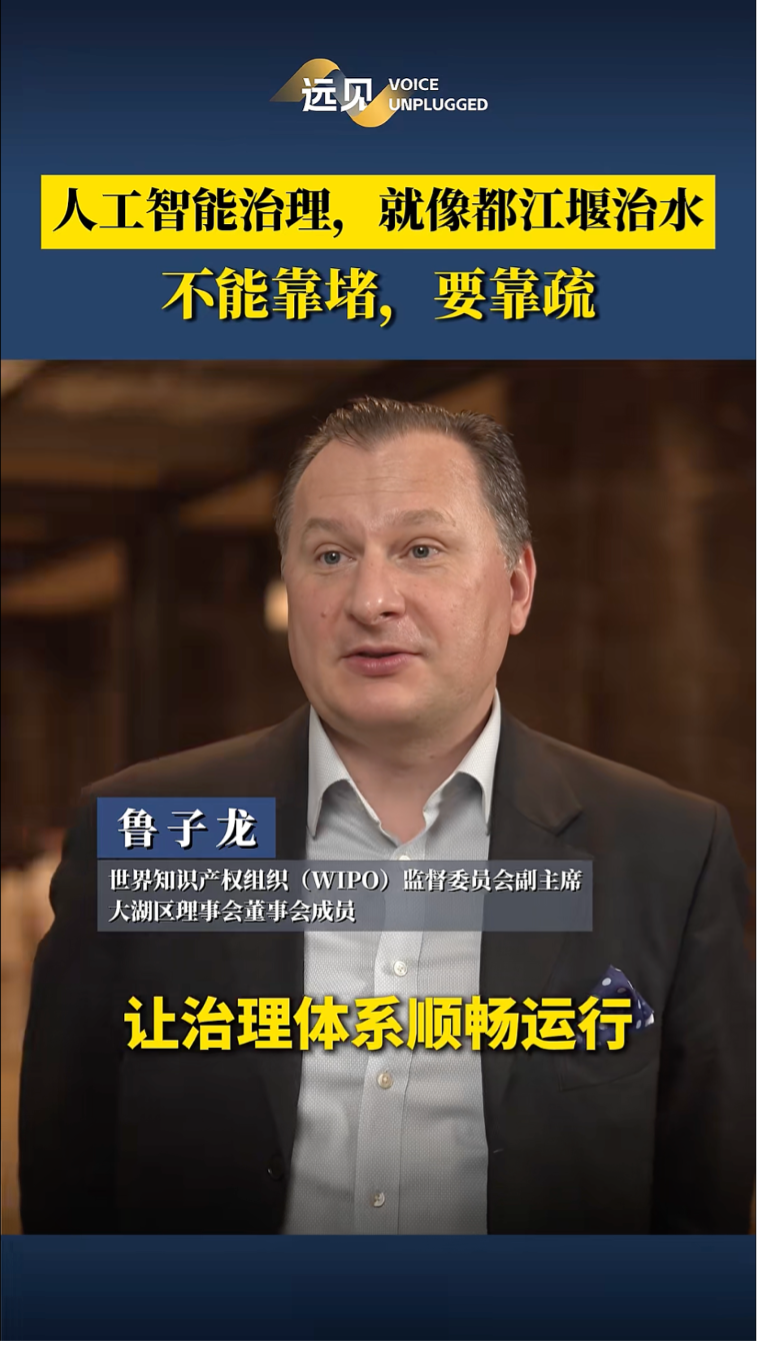
It's very important to allow AI governance to flow for the benefit of all. Sometimes we constrain it too much, and sometimes we overengineer it, and the results often fall short of expectations. But when you design it in a way that allows things to flow and serve the majority of the population, that's a lasting approach. That's the same thinking behind why the Dujiangyan irrigation system, built more than 2,000 years ago, is still working efficiently today. I'm hoping that the discussions happening here in Shanghai this week, and elsewhere in Geneva, New York, and other capitals, will help us build that kind of irrigation system for AI governance, one that keeps flowing for thousands of years.
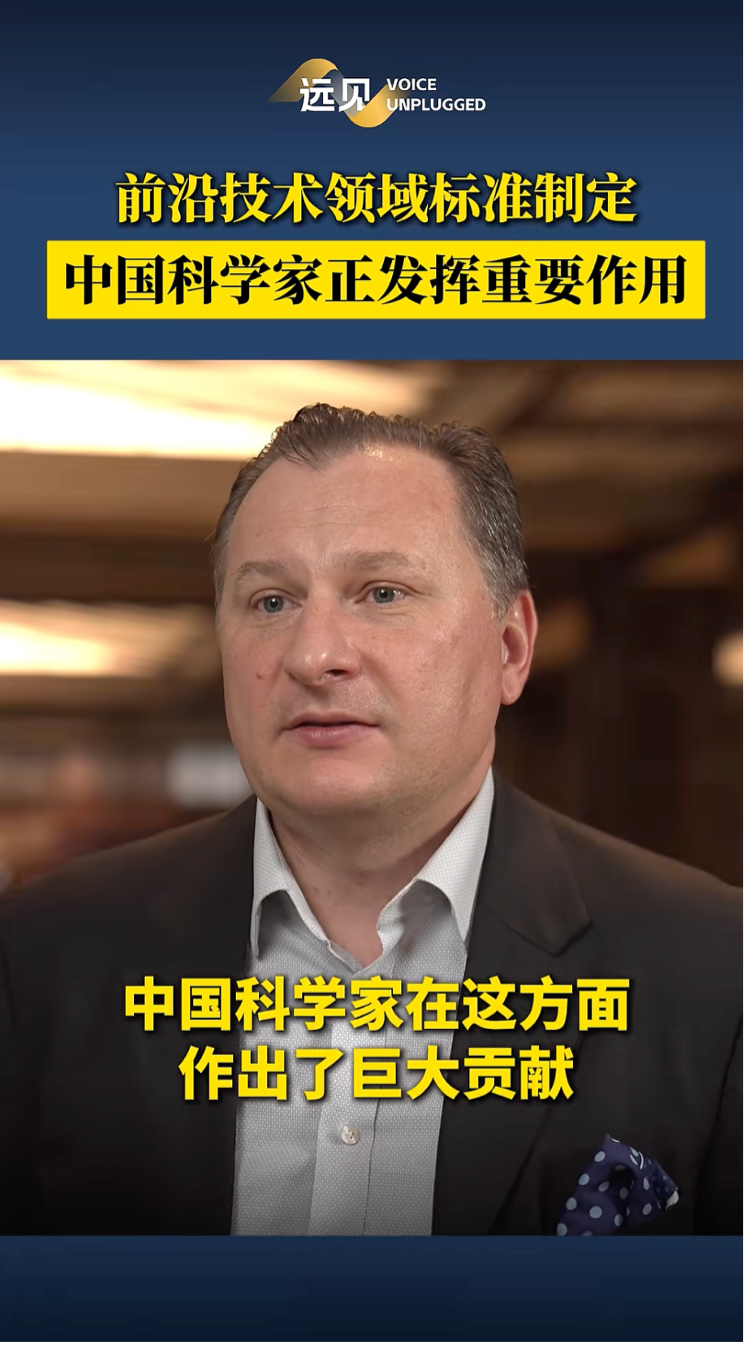
What's interesting and important is to see how we can align interests when there's disagreement, and how we can really come together. I'll use the example of the Metre Convention: countries that were competitors across the board, and sometimes even directly opposed on the battlefield, were nonetheless able to come together to agree on a standard measurement for the meter. Today every country uses that standard. Setting standards, mutual recognition of scientific knowledge, that's where we can work today. And I think Chinese scientists have made a huge contribution in this regard.
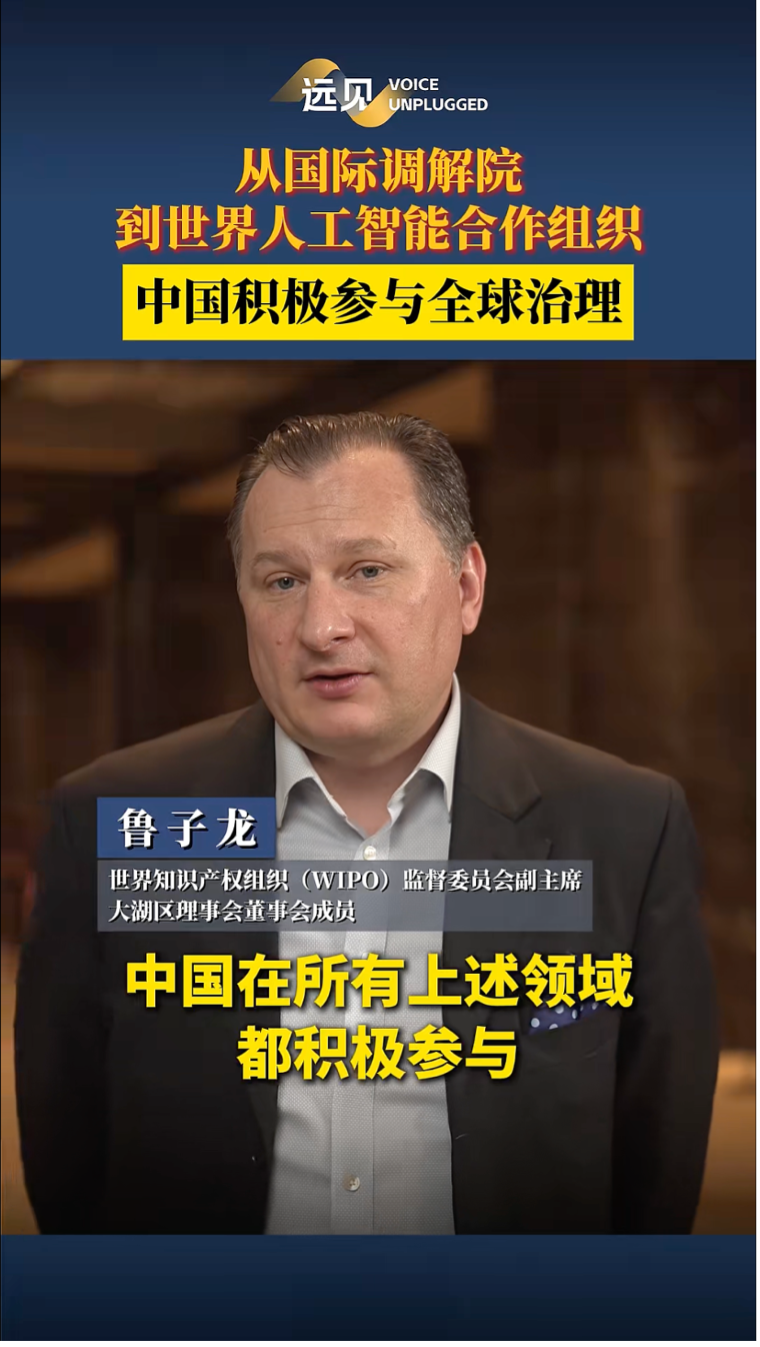
AI governance now goes hand in hand with technology governance, financial governance, and corporate governance, and China is a very active participant across the board. The International Organization for Mediation was established in Hong Kong last year, and this year, the push to establish the World Artificial Intelligence Cooperation Organization has drawn a lot of attention. In many other areas as well, China is playing a constructive role at the national, regional, and international levels.
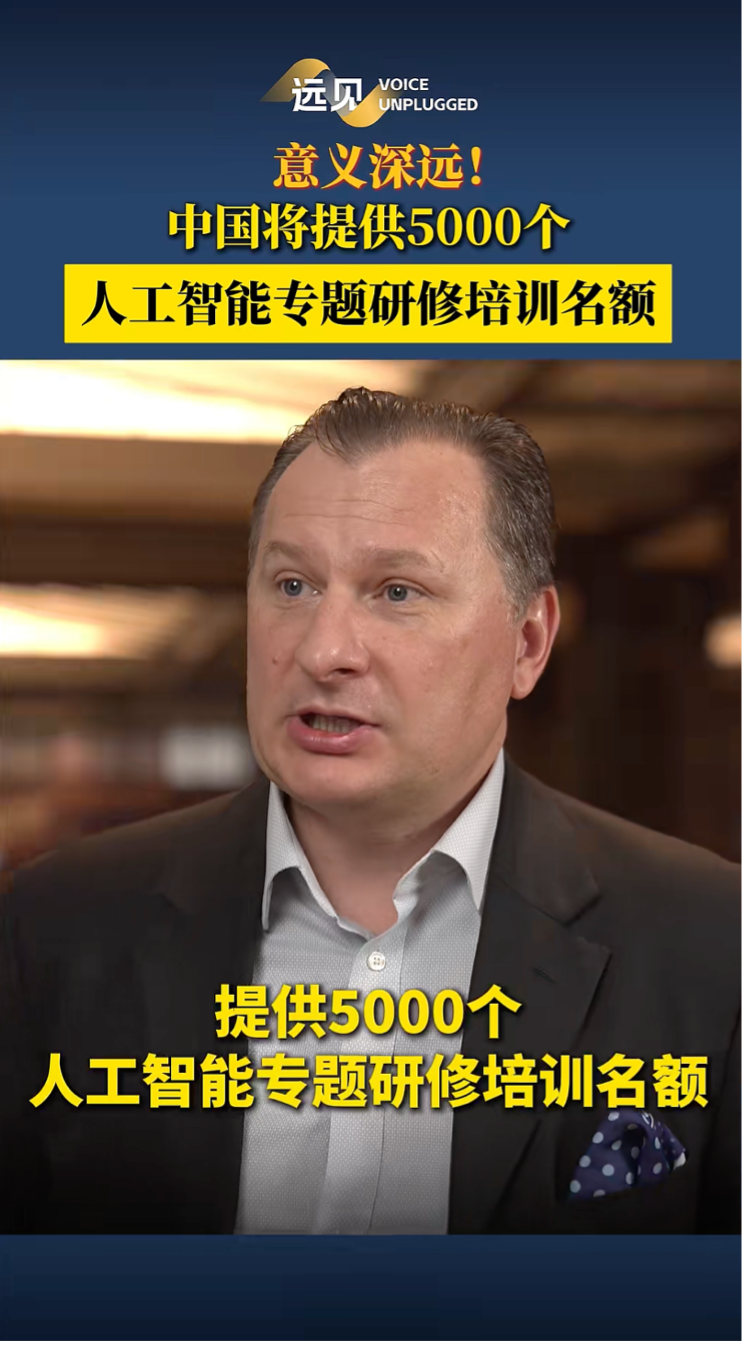
I think President Xi's speech yesterday (July 17) was very remarkable, because he connected a global vision with national implementation and international commitments. I particularly liked, for example, his commitment backed by specific numbers: I believe it was 5,000 students that China is planning to train on AI over the next five years. I myself benefited from a similar kind of training more than 20 years ago, in a very different field. I think the more the international community understands this technology, the more it will understand and recognize China's position on technological development. Those students will go on to innovate and achieve real things, and hopefully contribute to international understanding and cooperation in AI governance.