

Scientific research is an essential means through which humanity understands and transforms the world and advances human civilization. As the scale of scientific research continues to expand worldwide, the power of science and technology grows, and the connections between science, technology, and the economy become increasingly close, scientific research carries ever greater ethical significance. It requires researchers not only to uphold rigor and honesty but also to maintain a profound sense of responsibility for human well-being. At a time of rapid technological advancement, particularly as artificial intelligence becomes deeply integrated into nearly every aspect of human society, upholding research ethics and research integrity is no longer merely a matter of academic standards within the scientific community. It also shapes the development and progress of science and technology and, more fundamentally, concerns human dignity, well-being, and the future of humanity.
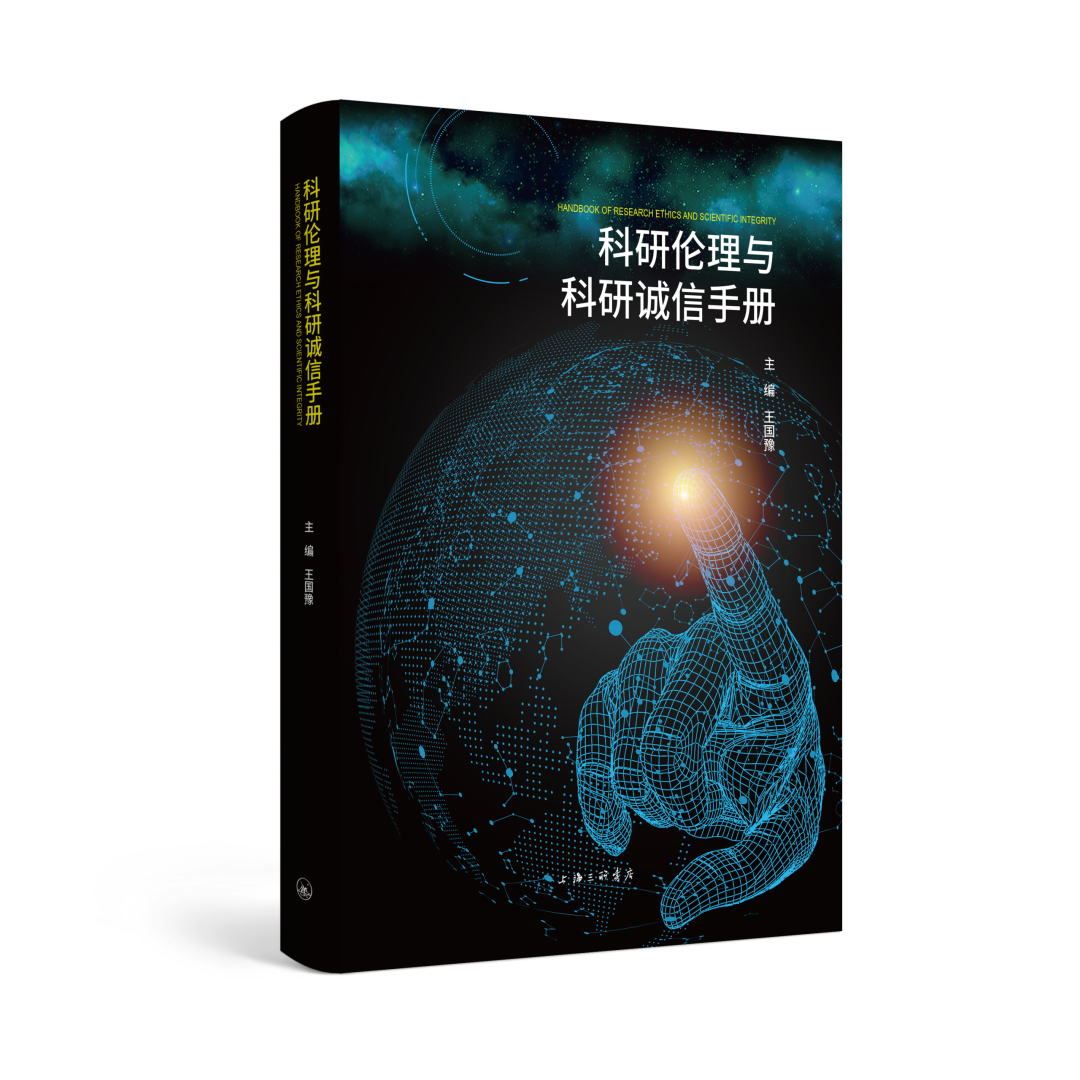
In response to these challenges, the Handbook of Research Ethics and Research Integrity, edited by Guoyu Wang, Vice President of the International Strategic Advisory Committee at the Center for Global AI Innovative Governance (CGAIG), Fudan University, and Professor of the Institute of Science and Technology Ethics for Human Future and the School of Philosophy at Fudan University, has been published to provide systematic ethical guidance for responsible scientific research and its oversight and management. Following the publication of the Handbook of Ethics in AI Medical Imaging, this volume represents another important contribution by Fudan University’s research team in science and technology ethics. Published by Shanghai Joint Publishing Company in June 2026, the book brings together the team’s sustained research and critical reflections on research ethics and integrity.
Editorial Board
Editor-in-Chief
Wang Guoyu
Guoyu Wang is a Professor at the School of Philosophy, Fudan University, Director of the CAST-Institute of Technology Ethics For Human Future, Fudan University, and Vice President of the International Strategic Advisory Committee at the Center for Global AI Innovative Governance (CGAIG), Fudan University. She is also a Member of the Academic Advisory Committee of the Chinese Academy of Medical Sciences, a Member of the Medical Ethics Subcommittee of the National Ethics Committee, Chair of the National Steering Committee for Graduate Education in Applied Ethics, and a Member of the Shanghai Expert Committee on Artificial Intelligence Governance.
Editorial Board Members
Chen Hongyi, Chen Yunying, Gao Peng, Li Ka, Meng Lingyu, Tang Li,
Wang Anyi, Wu Rong, Yan Xuefeng, Yang Yajun, Yin Bo, Yuan Huijun
About the Book
The Handbook of Research Ethics and Research Integrity provides a systematic introduction to the concepts and principles of research ethics and research integrity, their historical development and institutionalization, and the rapid progress of China’s regulatory and institutional frameworks in these areas. It also addresses emerging challenges and uncertainties associated with technological developments such as artificial intelligence and synthetic biology.
The book is organized into six major parts.
The first part provides a detailed explanation and interpretation of the fundamental principles of research ethics, including freedom and responsibility, fairness and justice, informed consent, minimization of risks and harm, and honesty and trustworthiness. Beyond clarifying the meaning of these principles, it examines how they should be applied in scientific research practice. Building on this foundation, the second section of the opening chapter provides practical guidance for principal investigators and host institutions throughout the research project lifecycle, including the pre-application stage, project application, implementation, project completion, and publication of research findings. It explains the responsibilities of different actors and identifies the practices necessary to ensure responsible scientific research at each stage.
The second part focuses on ethical standards governing scientific research and consists of four chapters. It comprises four chapters. The first chapter examines the ethical responsibilities and considerations applicable to researchers and institutions conducting studies involving human subjects or participants. It aims to provide practical ethical guidance for researchers, research institutions, and research ethics committees. The second chapter addresses ethical considerations in research involving laboratory animals and microorganisms, outlining the responsibilities of researchers and their affiliated institutions in ensuring ethically responsible research practices. The third chapter clarifies the respective responsibilities of research institutions and individual researchers in the production, storage, management, and sharing of scientific data. The fourth chapter examines the ethical implications of incorporating artificial intelligence into scientific research. It emphasizes that the use of AI must comply with academic standards, ensure transparency and methodological rigor, and maintain researchers’ accountability for AI-generated content. The chapter discusses the principal benefits, challenges, and ethical guidelines associated with AI-assisted research across three dimensions: AI-enabled data science research, the use of AI tools in research projects, and scientific research focused on AI technologies themselves.
The third part is devoted to research integrity and consists of four chapters. The first chapter outlines the integrity standards that principal investigators and project application teams must follow, including maintaining data integrity, ensuring the authenticity and reliability of research data, and strengthening awareness of academic self-discipline. The second chapter explains the responsibilities of institutions hosting research projects, including universities and other research organizations. As primary actors responsible for addressing research misconduct, these institutions must provide education on research integrity and help researchers develop the capacity to manage research-related pressures. They should also foster professional ethics, scientific responsibility, and a commitment to good research practice among researchers. The third chapter establishes requirements for peer reviewers to uphold research integrity, maintain professional ethical standards, and fulfill their responsibilities throughout the review process. The fourth chapter addresses the responsibilities of administrators of publicly funded research programs and organizers of related activities. It emphasizes that promoting the scientific spirit, strengthening academic integrity, and fostering responsible research conduct should remain central priorities throughout research funding and management processes.
The fourth part examines accountability mechanisms for violations of research ethics and research integrity. It covers the submission and acceptance of complaints and reports of alleged misconduct, as well as procedures for investigation, disciplinary action, and remedies or appeals. This section draws primarily on relevant Chinese laws and regulations, together with the principles and guidance issued by national authorities, including the National Natural Science Foundation of China, the Ministry of Science and Technology, and the Ministry of Education.

The fifth part presents and analyzes representative cases involving violations of research ethics and research integrity. These include breaches of informed consent and privacy protection requirements, violations of laboratory animal welfare standards, plagiarism and misappropriation of others’ research findings, fabrication or falsification of research data, and other forms of research misconduct. Through case-based analysis, this section illustrates how ethical principles and integrity requirements apply in practice and highlights the consequences of failing to uphold them.
The final part provides self-assessment questions on research ethics and research integrity, allowing readers to evaluate their understanding of relevant principles and standards. It also includes important Chinese laws and regulations concerning research ethics, research integrity, and accountability for research misconduct.
Original Link: https://mp.weixin.qq.com/s/6oLfKKYJlzEMHHnG-UuujQ?scene=1