

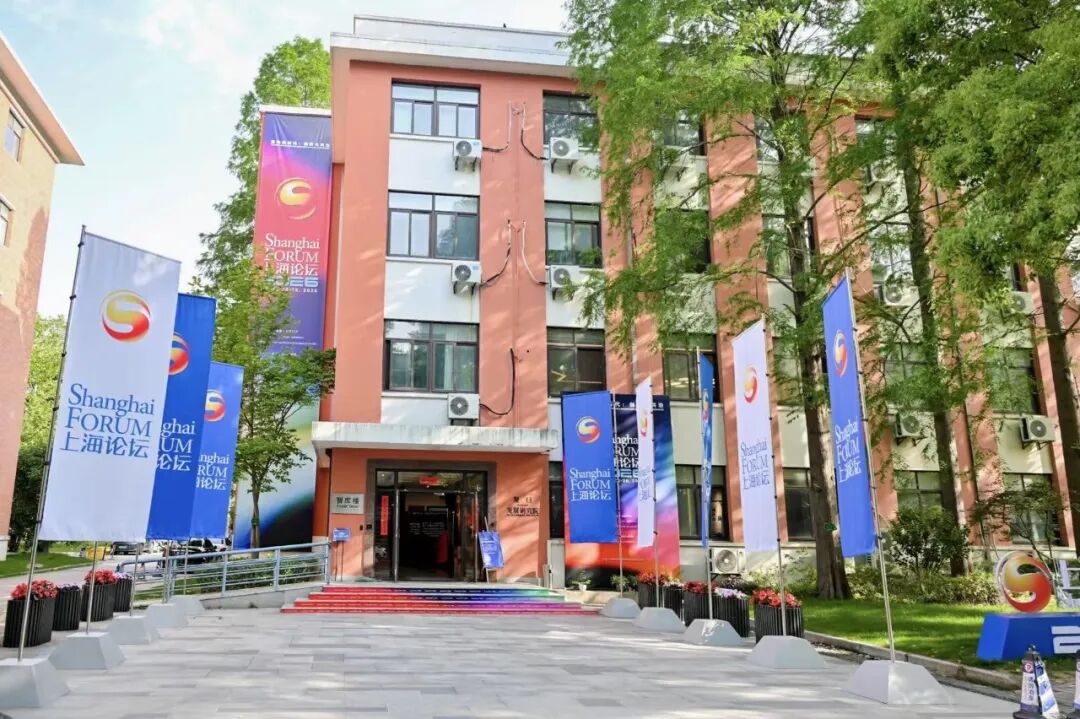
The Global Network for AI Capacity Building and Development, established under the auspices of the United Nations, was officially launched recently. Center for Global AI Innovative Governance (CGAIG), the Chinese institution leading preparations for the network, is based at Fudan University and has released a series of major research outcomes. Shortly before this, Fudan University also established several prominent research institutions, including the Institute for Sustainable Development, the Global South Field Research Laboratory, and the Shanghai Research Center for Deepening Economic System Reform. All these institutions operate under the umbrella of the Fudan Development Institute (FDDI).
With just over 50 full-time staff members, FDDI has developed a network of more than 30 research institutions in China and abroad, becoming an important hub connecting the humanities and social sciences with other disciplines at Fudan University. Its annual Shanghai Forum and other major events have also become important platforms for exchanges among government representatives, business leaders, and scholars from around the world. “Providing policy advice to governments is no longer the sole function of a university think tank,” a representative of the institute told the reporter. “More importantly, by responding to social needs and addressing real-world challenges, we can fully unlock the potential of university scholars to serve society and translate these experiences into valuable resources for education.”
Unlocking Scholars’ Potential: Building a Hub for Interdisciplinary Collaboration
Among the 80 award-winning projects announced at the 15th Shanghai Decision-Making Consultation Research Achievement Awards, Fudan University accounted for 11, spanning a wide range of academic disciplines. In recent years, Fudan has leveraged the Development Institute as an interdisciplinary hub to systematically integrate academic research with policy advisory work. This approach has extended decision-support research beyond the humanities and social sciences to encompass the natural sciences, medicine, and engineering. By encouraging researchers to align their expertise with government policy needs, the university has produced a series of multidisciplinary and interdisciplinary research outcomes that support public decision-making.
The institute’s ability to fulfill this role despite its relatively small staff reflects both strong institutional support and a distinctive organizational model. Successive presidents of Fudan University have personally served as directors of the institute and participated in decisions concerning its major initiatives. Equally important is the institute’s organizational structure. Its researchers come from diverse academic backgrounds and, in addition to conducting research, participate in the operation of high-level academic platforms and forums. They also undertake practical research assignments addressing national and governmental priorities, often coordinating teams from different departments across the university.
A particularly important asset is the institute’s dedicated think tank operations team, which has been developed over more than 15 years. As Zhang Yi, Executive Dean of FDDI, explained: “This team functions much like a group of ‘academic brokers’. In response to the challenges facing national and social development, they continuously identify new ways to mobilize scholars’ expertise, uncover their potential to serve the country and society, and bring them together to conduct organized research in the humanities and social sciences that addresses practical problems.”
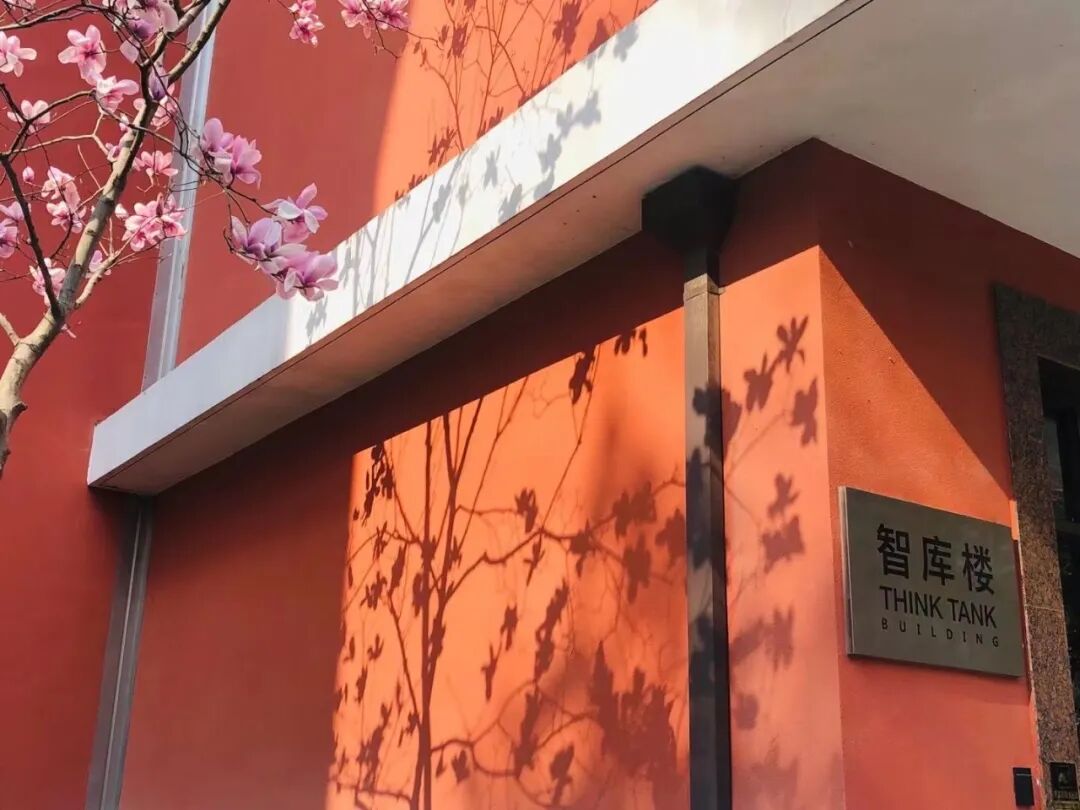
One example is the institute’s contribution to the protection of the Yangtze River and the implementation of the ten-year fishing ban. With support from relevant authorities, FDDI established the Research Center for Yangtze River Conservation Theory and Policy in 2023. The center brings together expertise from ecology, environmental science, public administration, international relations, and public affairs, while collaborating with other institutions across China. It has led specialized field investigations and midterm evaluation studies of the Yangtze River fishing ban, demonstrating how university think tanks can contribute directly to major ecological conservation policies.
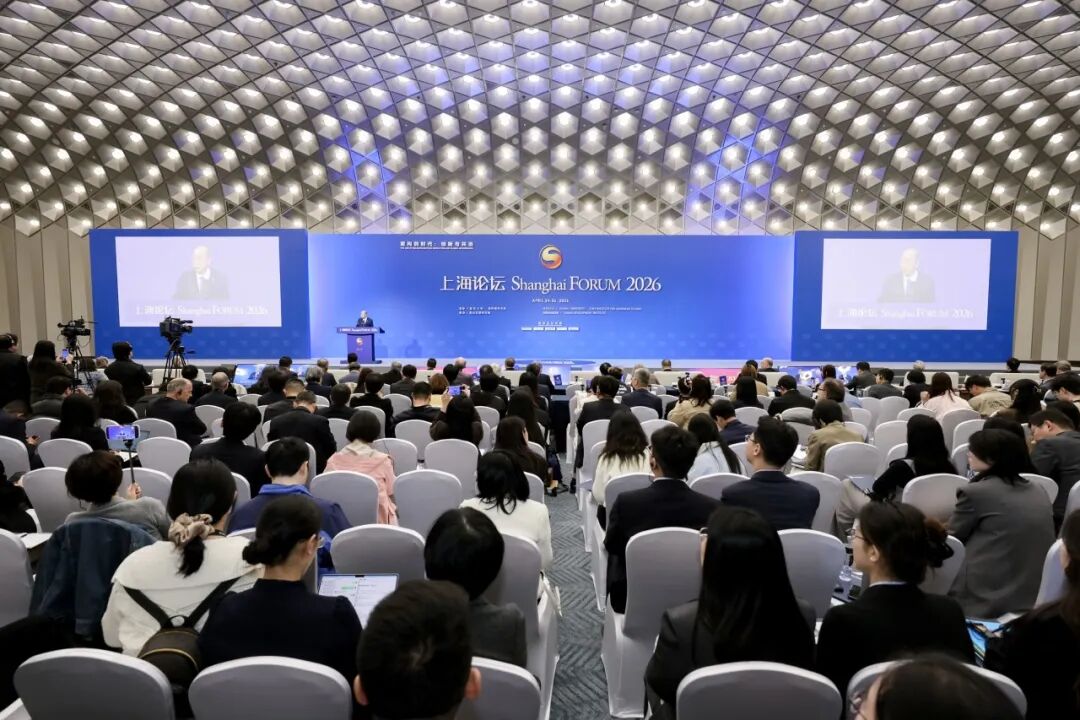
Another example is the Shanghai Forum, an annual event launched in 2005. Over the years, it has developed into an important platform through which international scholars gain a deeper understanding of China and Chinese scholars engage with major issues of global concern. At this year’s forum, Fudan University and Germany’s Max Planck Institute for Meteorology jointly launched the “AISUS+ International Cooperation Initiative”, encouraging scientists worldwide to use AI technologies to strengthen responses to climate risks, including extreme weather. The forum also released a series of research reports covering green finance, ecological conservation, global governance, technology ethics, and the digital economy.
Innovative Evaluation Mechanisms Drive Interdisciplinary Development
Before the end of this year, FDDI will release the fourth edition of its Global National Development Dynamics Index Report. First published in 2021, the report has undergone several rounds of refinement. It has become an important theoretical resource for studying China’s development and has been adopted by several Global South countries to examine their own development trajectories. Some Global North countries are also expected to draw on the framework this year. “This is just one example of the institute’s many achievements,” Zhang Yi explained. “We have established a complete cycle linking academic research, policy advice, policy implementation, and industrial development.” According to Zhang, this integrated model is largely the result of the institute’s distinctive institutional innovations.
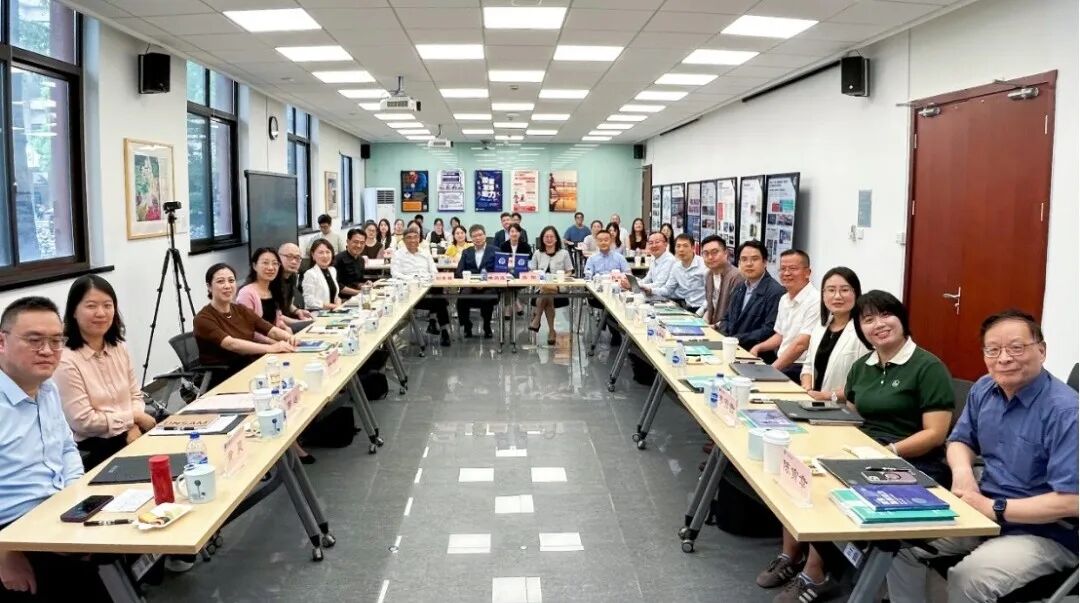
Because FDDI has long focused on solving practical social problems and providing policy advice for national development, its personnel evaluation system places particular emphasis on the ability to address real-world challenges. “Based on the research questions pursued by our scholars, we have developed a talent evaluation framework comprising seven major categories and 33 subcategories of indicators,” said Huang Hao, Vice Dean of FDDI. “More importantly, jointly authored publications are explicitly recognized in our evaluation system.” Huang explained that real-world challenges often require interdisciplinary collaboration, in which researchers from different fields may make equally important contributions. “This is why we place greater value on co-authorship. Once the evaluation issue began to be addressed, more young scholars became willing to participate in interdisciplinary research.”
Another distinctive feature of the institute is the relatively young average age of its researchers compared with traditional university departments and research institutions. As some young researchers put it, “There are no big trees here to shelter us, but that also means everyone is free to explore new research directions without hesitation.” This environment has helped foster a distinctive and sustainable research ecosystem.
Tang Weiqi, for example, originally trained as an economist and chose to focus on energy development and carbon neutrality after joining the institute. With the rapid advancement of AI, he subsequently expanded his research to explore how artificial intelligence could help address global climate and energy challenges. In 2025, Tang was included in the national list of highly cited scholars in applied economics.
From Academic Research to Social Engagement and Talent Development
The distinctive value of university think tanks also lies in their close connection with education and talent development. When academic research moves beyond the university and becomes deeply rooted in social practice, its findings can, in turn, enrich teaching and student training.
For example, the institute’s long-running research on national and urban development dynamics has led to the creation of a new university course. Similarly, research on China’s insurance industry and social security, which began in 2013, has made important contributions to the development of insurance studies and national security studies as academic disciplines.
FDDI also makes use of the “revolving door” mechanism characteristic of university think tanks, encouraging young scholars to gain practical experience beyond campus. Researchers are supported in conducting fieldwork and applied research within government departments at different administrative levels and in institutions around the world. Through these experiences, young scholars develop a deeper understanding of global challenges and national development needs. Wang Fan, an interdisciplinary researcher working at the intersection of journalism, communication, and public health, identified new approaches to chronic disease management through practical research. Working with medical institutions, Wang has also helped extend healthcare services into residential communities for older adults. Yao Xu, whose research spans international relations and artificial intelligence, has developed new academic insights into AI innovation and governance while undertaking a temporary assignment at China’s National Data Administration. These experiences have helped establish Yao as an emerging scholar in the field.
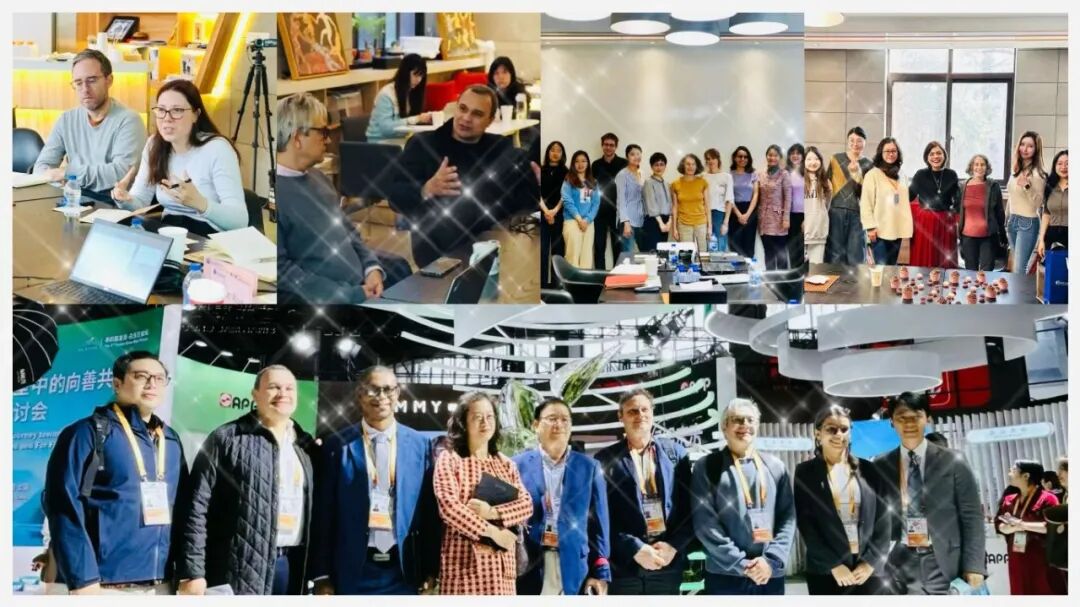
The institute has also attracted a growing number of international researchers. “Visiting scholars from overseas are beginning to use our theoretical frameworks to study their own countries,” Huang Hao noted. As successive groups of young scholars gain experience abroad while others come to Fudan University, an increasingly interconnected academic community of early-career researchers is taking shape.
Original Link: https://www.shobserver.cn/staticsg/res/html/web/newsDetail.html?id=1182002&sessionid=