

Abstract
The era of artificial intelligence may further exacerbate global development inequalities, while current discussions on AI governance have yet to adequately reflect the interests of Global South nations. In response, low-to-medium technology should serve as the fulcrum for social innovation, with China and India's digital transformation initiatives becoming pivotal to the development of Global South countries. Additionally, vigilance is needed against the emergence of new monopolies. The “global majority” must unite to advance non-discriminatory common rules and standards. Global South nations should also establish autonomous data centers and jointly pursue pragmatic, efficient international cooperation projects. Finally, countries like the UAE, China, and India can collaborate to build practitioner communities and a Global South AI Institute, driving the development and application of multilingual models.
Interviewee Profile
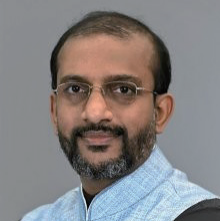
Narayanappa Janardhan
Director, Research and Analysis, Anwar Gargash Diplomatic Academy, Abu Dhabi
Interviewer
Zhang Shuyan
Research Assistant at the Center for Global AI Innovative Governance
Interview
Firstly, global inequality might be amplified in the AI era. The current global conversation on AI is loaded heavily against many countries of the Global South. This is because amid the din of US-China hi-tech competition that was evident in the OpenAI vs. DeepSeek, there is little discussion about innovations that are revolutionising daily life in most of Asia, Africa and Latin America. There is inadequate focus on low- and mid-tech in this hi-tech age, despite there being ample commercial and developmental value in them.
So far, with half the world still barely receiving electricity, let alone Internet services, the assumption that AI is the miracle cure to all existing and future challenges is exaggerated. Relying excessively just on hi-tech solutions will create another hierarchical world of tech inequality in the future or an era of ‘vertical globalisation'. Therefore, low-and mid-tech is key to social innovation. Chinese and Indian digital transformative initiatives are templates for progress in the Global South. The push for 'local solutions to local problems' is not only relevant, but replicable and scalable, in the Global South, thus also enabling South-South cooperation. With the Global South contributing about 40% to the world's economy, there should be better equilibrium among low-, mid- and hi-tech innovations to ensure equitable and sustainable development in the future.

Image source:CLAI Research
Secondly, new monopolistic phenomena emerging in the era of AI should be guarded against. Fundamental to the future of any tech governance models, be it low-, mid- or hi-tech, is the need to ensure against the West setting the standards that are more beneficial to itself than the Global South. The ‘Global Majority' must unite to create common protocols and standards that are non-discriminatory. It must build its own data centres and work on the Digital Empowerment and Protection Architecture (DEPA) that will address privacy issues. Some of the UAE's policies over the last decade and a half are worth noting – especially its push to set up the International Renewable Energy Agency to ensure against Western exploitation of the new energy dynamics, like it did with fossil fuel exploration in the past. The UAE and Saudi Arabia are now funding, collaborating and setting up data centres in their own countries, which was evident during President Donald Trump's visit to the Gulf in May 2025.
Thirdly, the Global South countries should unite and jointly carry out in-depth and effective international cooperation projects. Tech cooperation in the Global South is not just about capital flow, it opens up models for how countries can incubate and export homegrown technologies that help to address challenges shared across borders. Regional alliances like ASEAN's Digital Masterplan 2025 and Africa's AfCFTA, are gaining pace, prioritising shared tech standards and digital infrastructure on which practical innovations can be built.
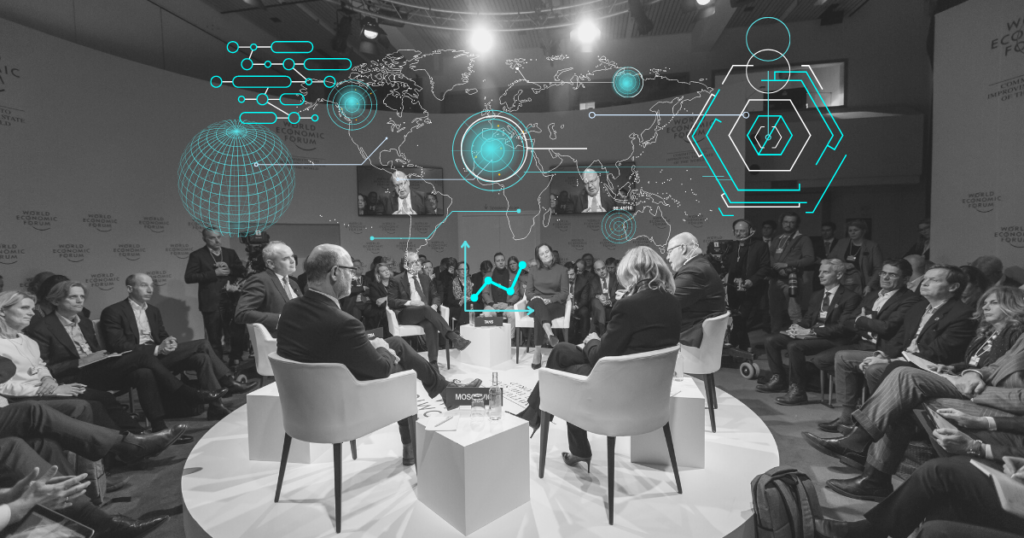
Image Source:AI Time Journal
Meanwhile, countries like the UAE, China and India could work together to contribute technical architecture (including providing sustainable energy for data centres), implementation frameworks for Digital Public Infrastructure (DPI) and capacity building in the Global South. First, they could help create a community of practitioners and enable the build-out of an ecosystem of regional partners. This should focus on domains like healthcare and life sciences to work on making DEPA coming to life. Second, they could establish a Global South Institute for DPI & AI that would undertake research, work on policy, develop techno-legal frameworks, case studies, enable certifications, undertake training and spread awareness of DPI and its principles. Third, they could also work together building different language models other than the mainstream national and international languages. These could help provide a great window of opportunity to collaborate and develop continental scale programme for a wide range of applications to drive most of the UN SDGs.