


The rapid advancement of AI technology is profoundly reshaping the global economic landscape, social structures, and governance frameworks. Simultaneously, a series of challenges—including ethical controversies, data privacy, algorithmic bias, the intelligence divide, and fragmented governance—have become increasingly prominent, posing an unprecedented impact on traditional governance models.
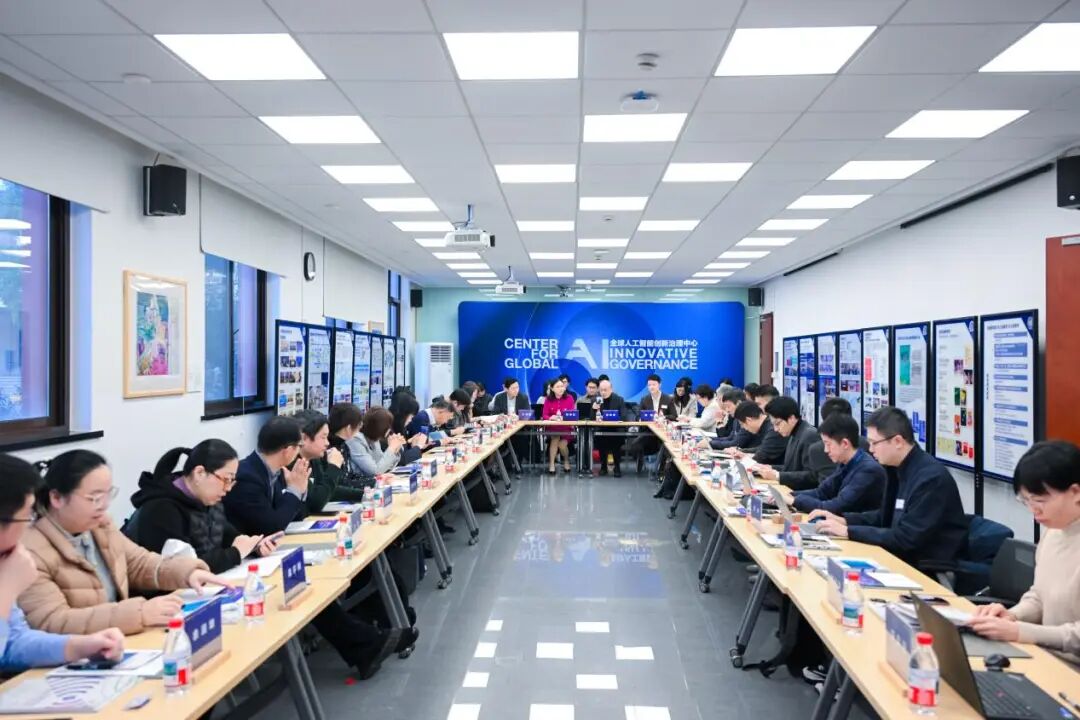
On December 28, 2025, the seminar Global Governance of AI: Trends, Challenges, and Responses was grandly held in Room 106 of the Think Tank Building at Fudan University. The event was hosted by the Center for Global AI Innovative Governance (CGAIG), organized by the Fudan Development Institute (FDDI), and co-organized by the Shanghai Association for AI and Social Development and the Shanghai Research Center for Social Science Development.
More than 30 experts and scholars from universities including Fudan, Tsinghua, Shanghai Jiao Tong, and Tongji, as well as renowned academic journals, attended the meeting. During the sessions, scholars delivered keynote reports and engaged in discussions on emerging trends in global AI governance, developmental challenges, and North-South cooperation, contributing to the refinement of relevant research and practical frameworks.
Opening Ceremony
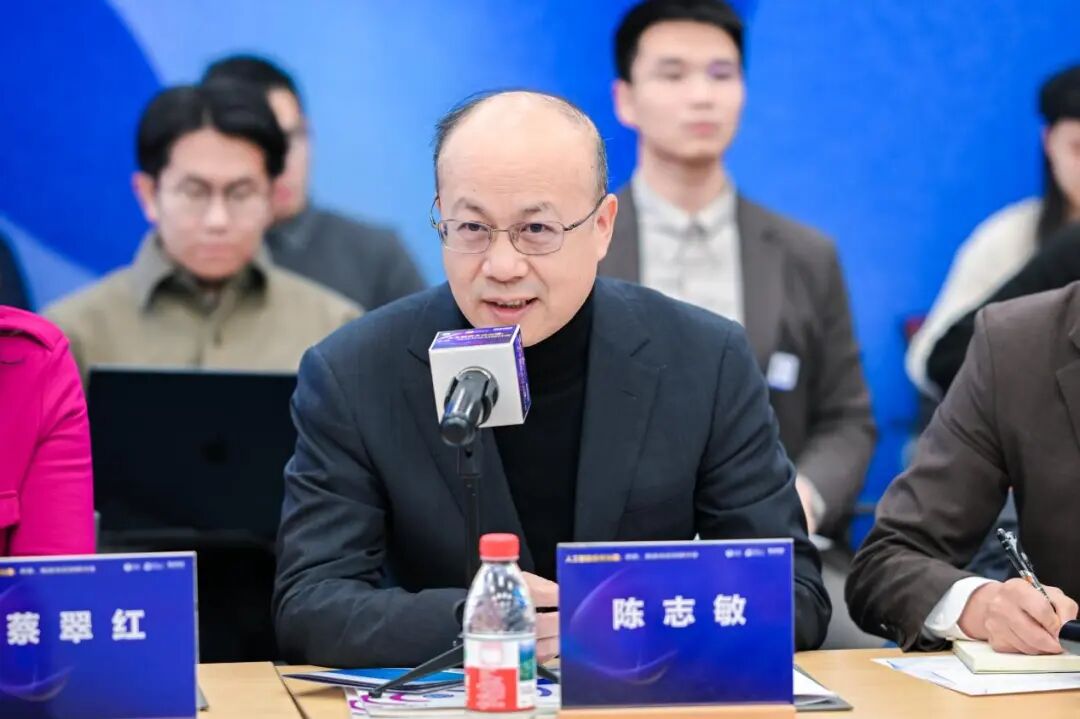
The opening ceremony was presided over by Yao Xu, Secretary-General of CGAIG and Associate Researcher at FDDI. Chen Zhimin, Executive Director of CGAIG and Vice President of Fudan University, delivered the opening remarks.
Vice President Chen congratulated the convening of seminar on behalf of CGAIG and gave a systematic overview of the ongoing work of Fudan University and the Center. He expressed his hope to work alongside the participating experts and institutions to build a collaborative platform and long-term mechanism for academic research on AI governance.
Section 1: New Trends in Global AI Governance
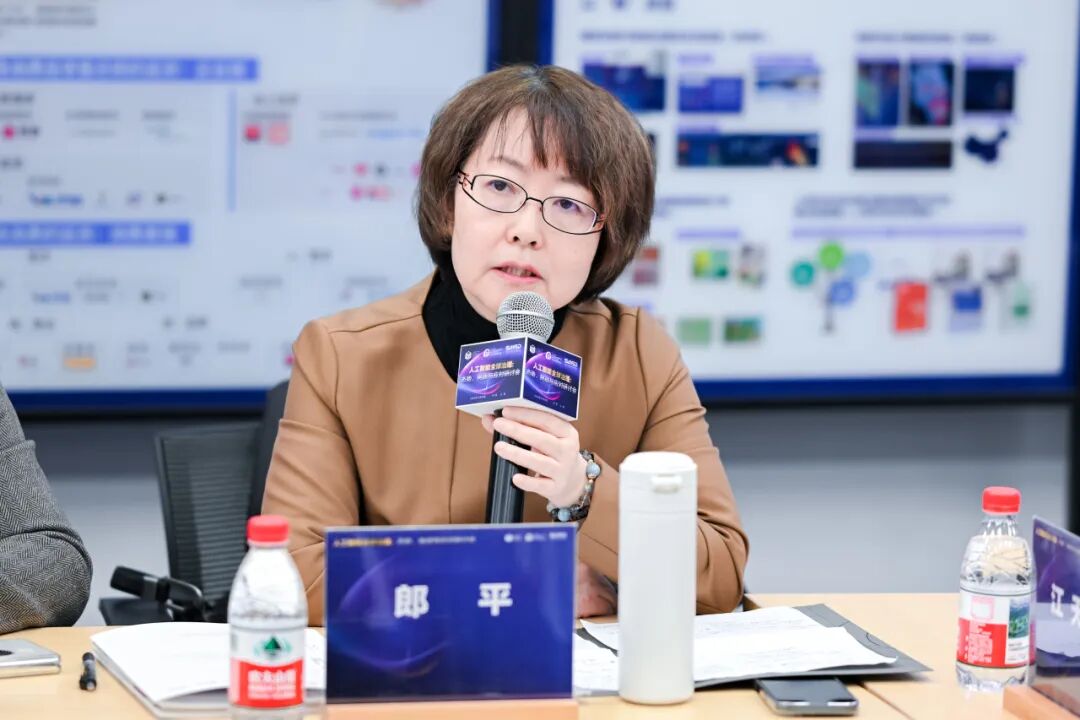
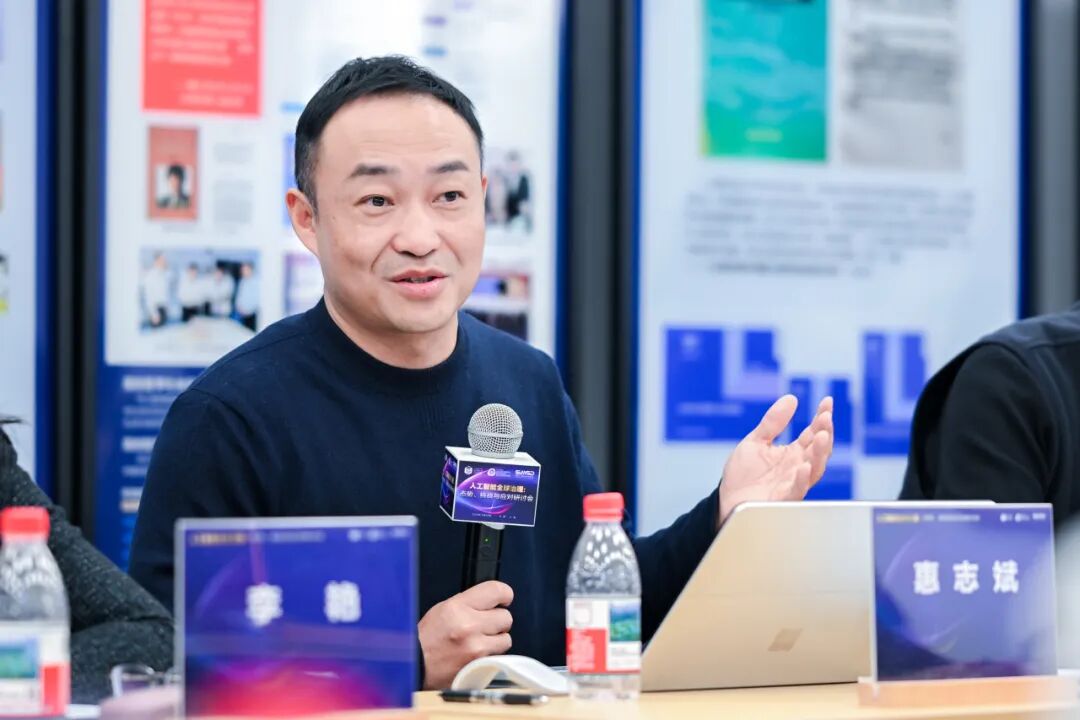
The first session, titled New Trends in Global AI Governance, was moderated by Tan Xiuying, Editor-in-Chief and Senior Editor of International Security Studies. The panel featured distinguished speakers, including Lang Ping, Director and Research Fellow of the National Security Research Office at the Institute of World Economics and Politics, Chinese Academy of Social Sciences; Li Yan, Director and Research Fellow of the Institute of Science, Technology and Cyber Security at the China Institutes of Contemporary International Relations; Xiao Qian, Deputy Dean of the Institute for AI International Governance and Deputy Director of the Center for International Strategy and Security at Tsinghua University; Lu Chuanying, Deputy Dean and Professor of the School of Political Science and International Relations at Tongji University; and Hui Zhibin, Executive Vice President of the Shanghai Association for AI and Social Development and Director of the Internet Research Center at the Shanghai Academy of Social Sciences.
During the session, the experts engaged in profound deliberations on the core issues of global AI governance, focusing on governance dimensions, practical challenges, security priorities, military applications, and national practices. The panelists observed that current AI governance is characterized by a supply-demand gap and systemic fragmentation. Driven by the inherent attributes of the technology, the lag in regulatory frameworks, and geopolitical influences, the field is currently shaped by multi-layered contradictions, particularly the tension between security regulation and innovation vitality, as well as the friction between transnational coordination and diverging national interests.
The discussion highlighted that national AI governance models have diverged significantly: the United States emphasizes technological innovation and unilateral leadership; the European Union seeks a balance between regulation and innovation; and China adheres to a twin-engine strategy of balancing development and security. Simultaneously, global governance is shifting its focus toward the inclusive needs of developing countries, making multilateral cooperation and platform-building essential priorities. The experts concluded that global AI governance requires a calibrated moderation of expectations, advocating for a dynamic, bottom-up progression starting from areas of consensus. This approach should be anchored in three dimensions: at the technical level, by defining clear governance boundaries and application scenarios; at the national level, by coordinating development and security while proactively shaping future civilizations; and at the international level, by navigating the dual challenges of major-power competition and the necessity of forging a global consensus.




Section 2: New Dynamics of Major Power Competition and Cooperation in AI
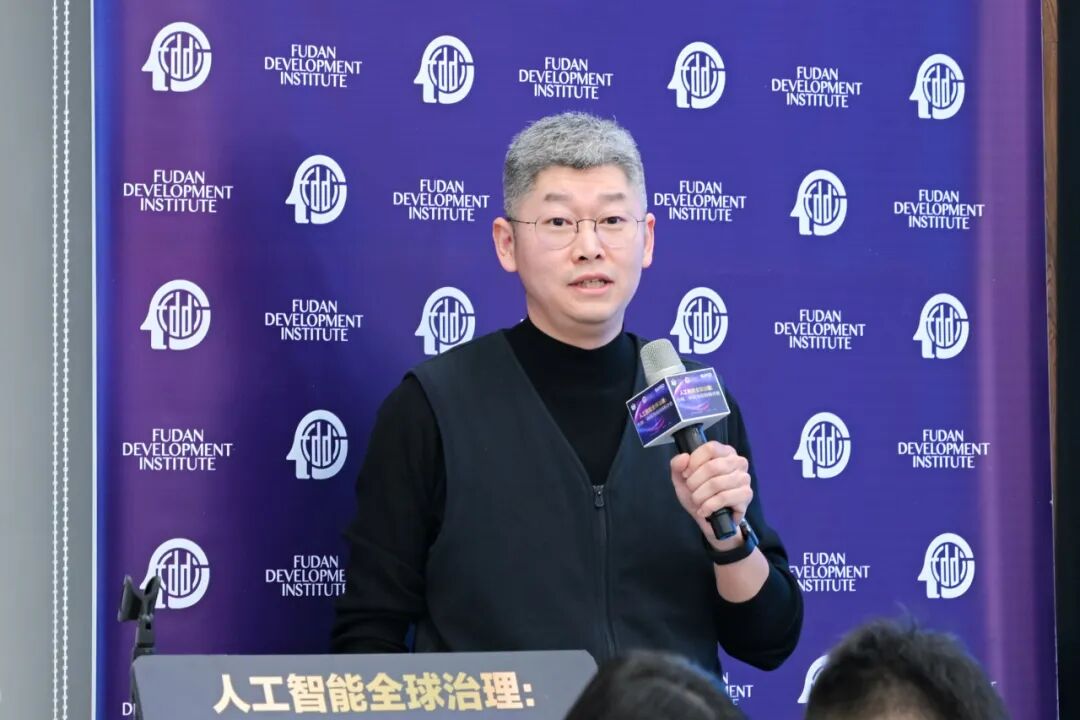
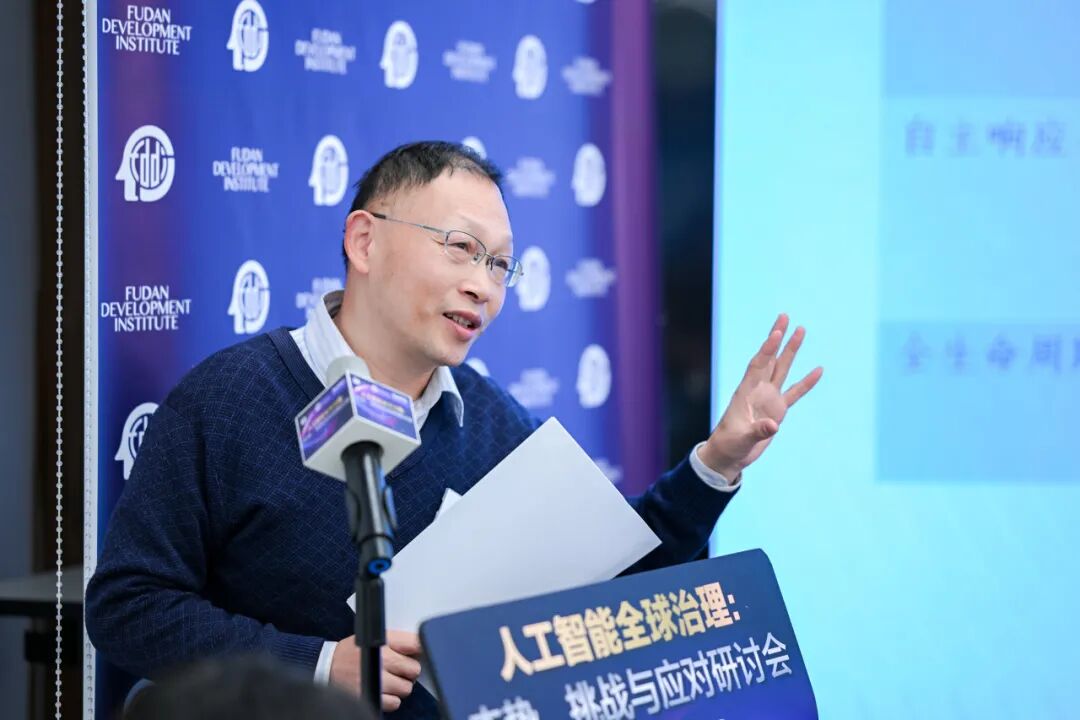
The second session, New Dynamics of Major Power Competition and Cooperation in AI, was moderated by Chen Zhirui, Editor-in-Chief of Southeast Asian Studies and Professor at China Foreign Affairs University. Key presentations were delivered by Liu Zhongwei, Director of the Research Department at the University of International Relations; Qi Haotian, Deputy Director and Tenure-track Associate Professor of the Department of National Security at Peking University's School of International Studies; Yu Nanping, Professor at the School of Politics and International Relations, East China Normal University; and He Qisong, Professor at the School of Government, East China University of Political Science and Law.



Section 3: New Challenges in AI Development and Security
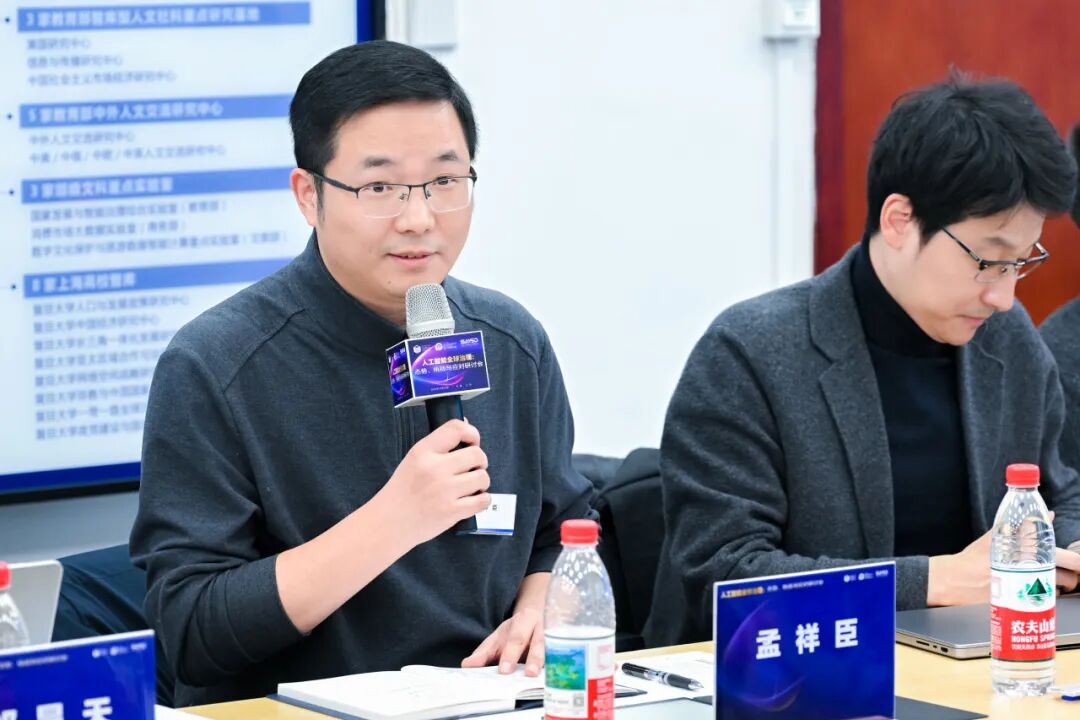
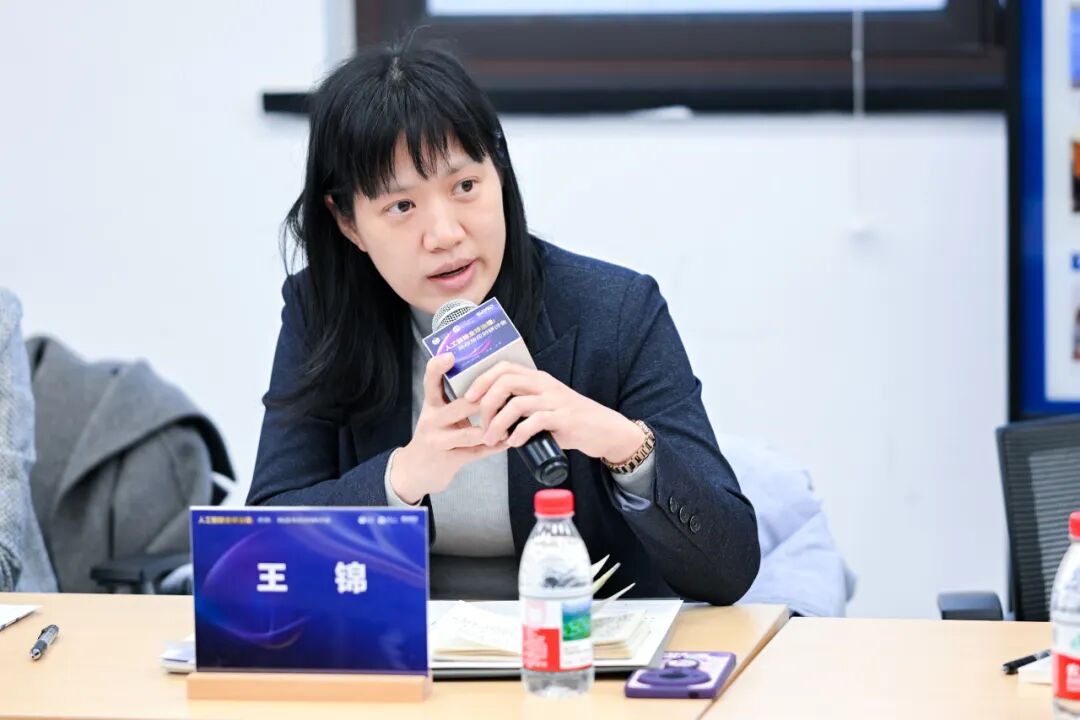
The third session, New Challenges in AI Development and Security, was presided over by Meng Xiangchen, Director of the Editorial Department of Northeast Asia Forum. Presenters included Wang Jin, Deputy Editor-in-Chief and Researcher of Contemporary International Relations; Wang Ziyuan, Associate Professor and Deputy Director of the International Security Research Center at China Foreign Affairs University; Yang Nan, Associate Researcher at the Institute of American Studies, Chinese Academy of Social Sciences; Han Na, Professor and Director of the Research Base for International Cyberspace Governance at the People's Public Security University of China; and Gao Qiqi, Member of the National New Generation AI Governance Committee and Professor at Fudan University's School of International Relations and Public Affairs.
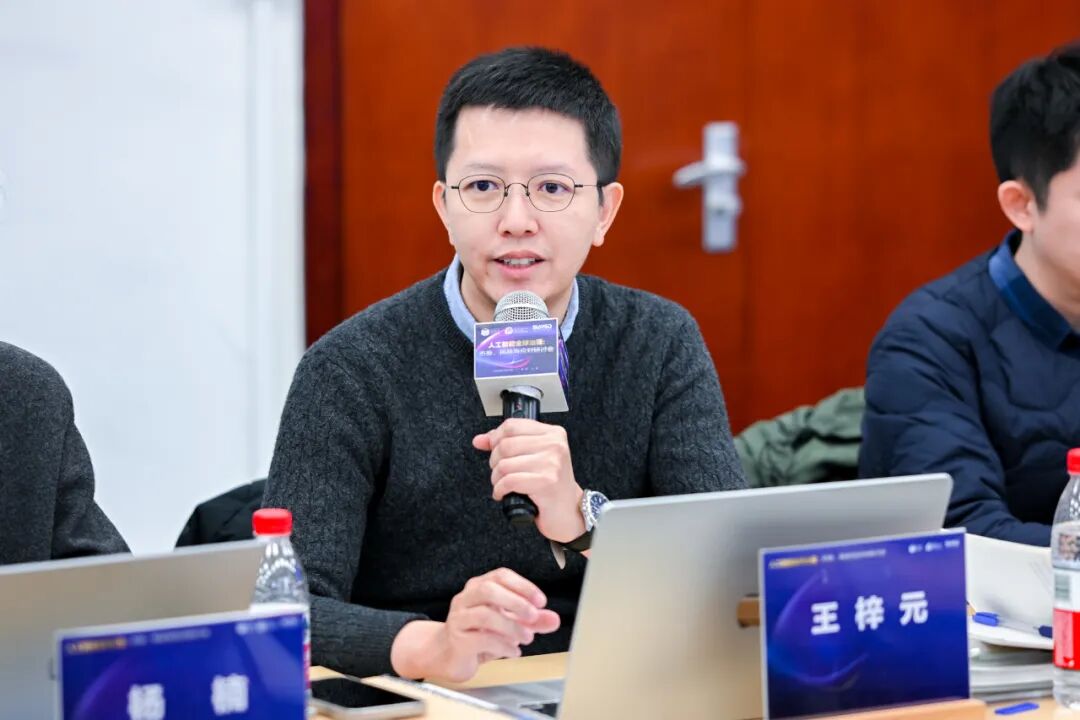


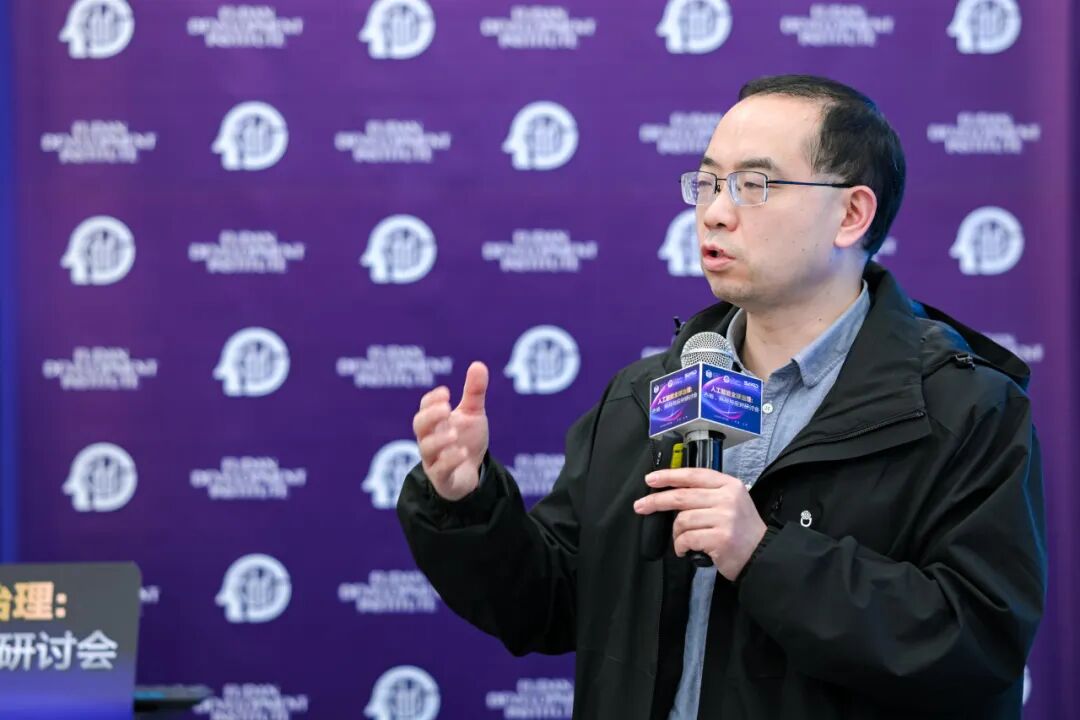
The discussion explored the value of social science research in AI, the dilemma of data security among major powers, the federalist dynamics in U.S. governance, and the technical challenges of endogenous security. Experts argued that because AI is intrinsically linked to human social relations, there is a need to establish Political AI Studies to examine its impact on ethics, security, and international relations. Regarding data security, the defensive measures adopted by both China and the U.S. often trigger misunderstandings and drive technological decoupling; this stems not from a simple zero-sum game, but from a profound concern over technological disruption. Consequently, global AI governance must remain development-oriented, embedding security into the growth of the technology. International cooperation should be advanced across four layers—security, rules, infrastructure, and capacity—while addressing the endogenous security of AGI (Artificial General Intelligence) to ensure that safety elements are integrated into the entire technical process.
Section 4: Global AI Governance and North-South Cooperation
The fourth session, Global AI Governance and North-South Cooperation, was moderated by Shi Chenxia, Executive Deputy Editor-in-Chief and Director of the Editorial Department of Global Review. Speakers included Sun Chenghao, Associate Researcher at the Center for International Strategy and Security, Tsinghua University; Liu Hongsong, Professor and Deputy Head of the Department of International Relations at Shanghai Jiao Tong University; Jin Jiyong, Professor and Vice Dean of the School of International Relations and Public Affairs, Shanghai International Studies University; Xia Wei, Professor and Executive Vice Dean of the Institute of International Trade Innovation and Governance, Shanghai University of International Business and Economics; Feng Shuai, Associate Researcher and Deputy Director of the Institute for International Strategic and Security Studies, Shanghai Institutes for International Studies; and Wang Zhongyuan, Associate Professor at the Institute for Advanced Study in Social Sciences, Fudan University.

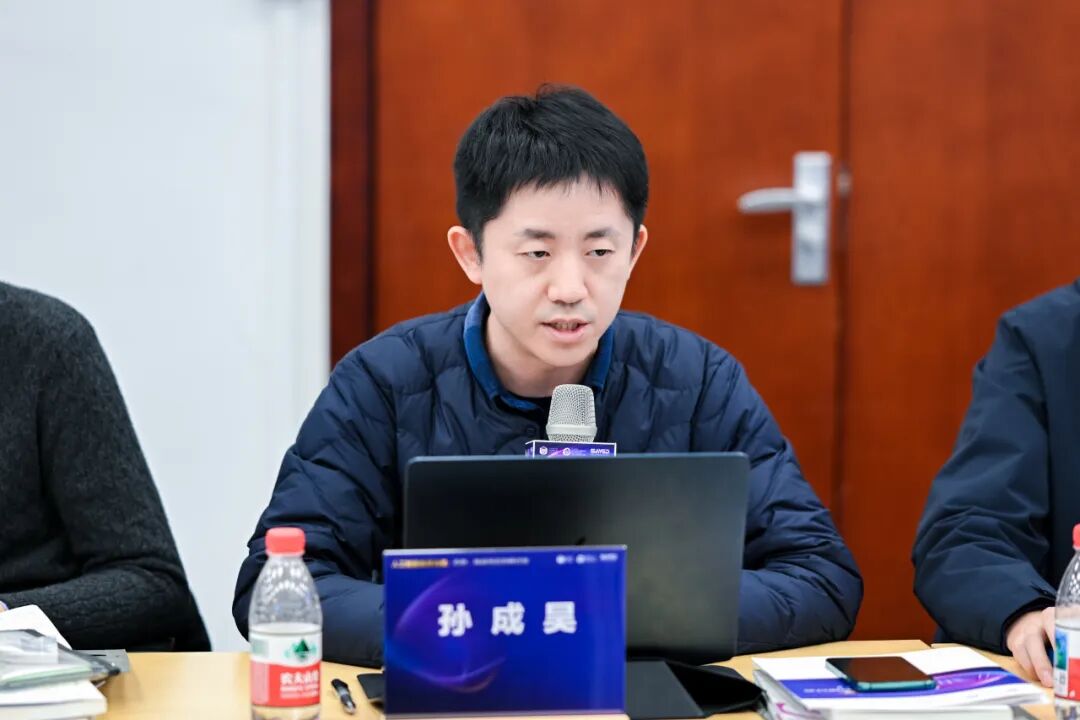

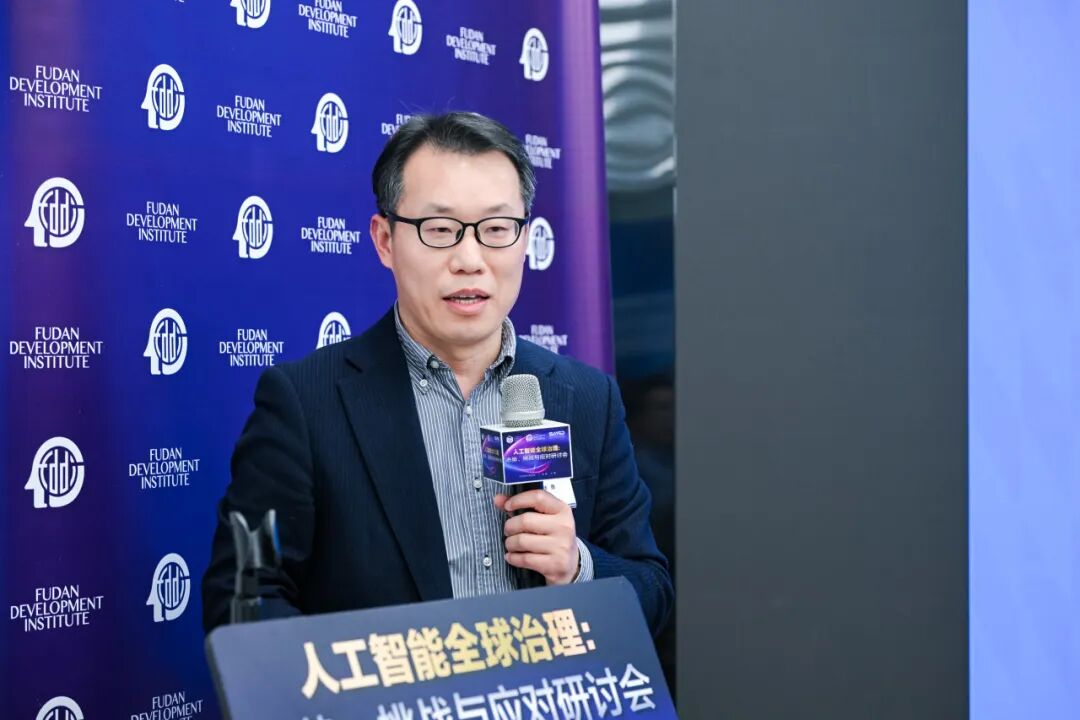

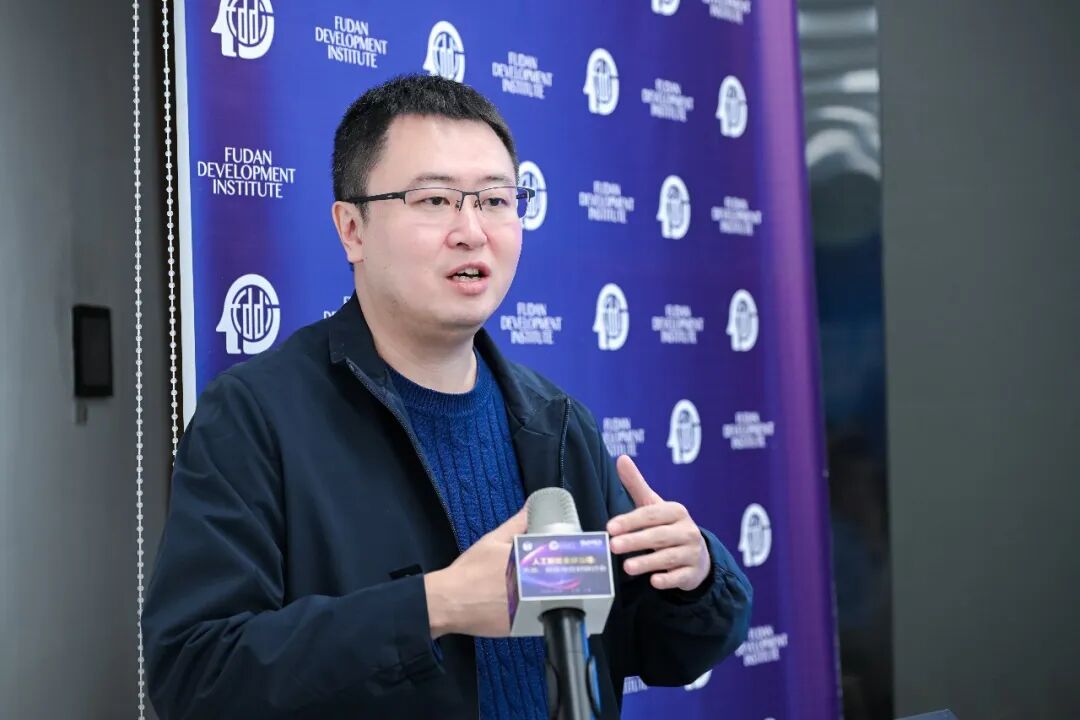
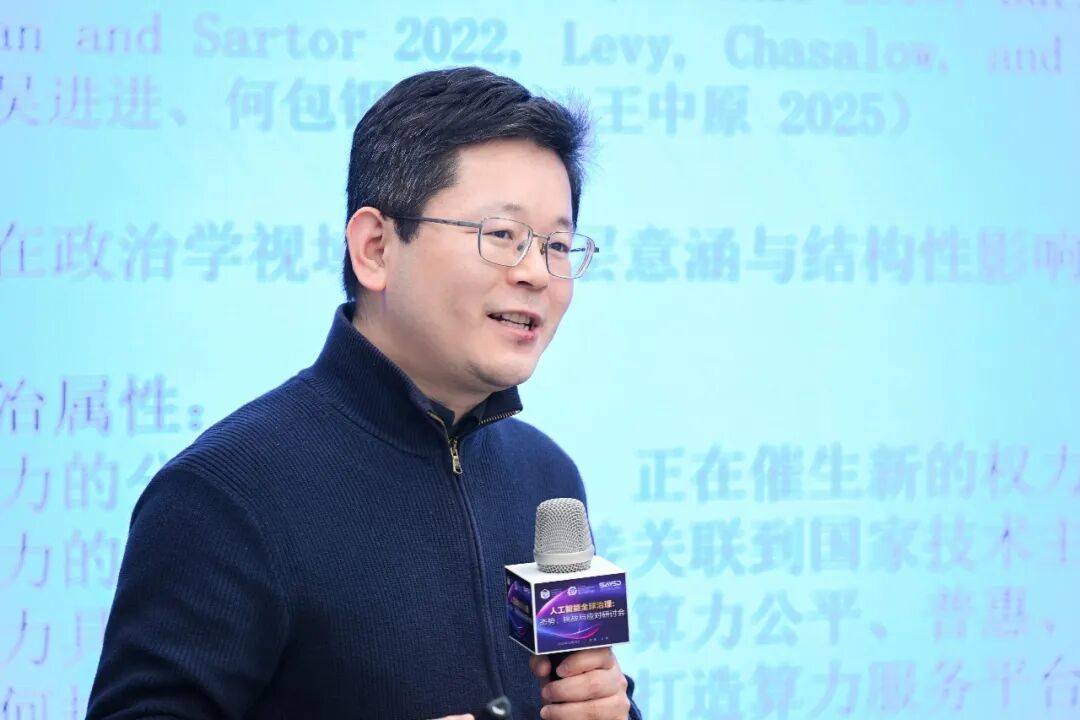
The panel addressed North-South cooperation in AI infrastructure, the dilemmas of arms control, the intersectional risks of biosecurity, and the role of international organizations. Experts pointed out that the Global South suffers from high vulnerability and urgent development needs, particularly where AI intersects with biotechnology. Currently, the lack of participation rights for the Global South in AI arms control and computing power competition restricts the fairness of global governance.
The session emphasized the necessity of North-South cooperation to promote technological inclusivity and establish cross-border mechanisms that protect the voice of developing nations. China is positioned to play a pivotal role by linking the U.S., Europe, and the Global South to bridge the digital divide through technology sharing and standard coordination. By driving international organizations to safeguard the rights of the Global South and tilting governance rules toward their development needs, the international community can overcome governance fragmentation and build a truly equitable global AI governance system.
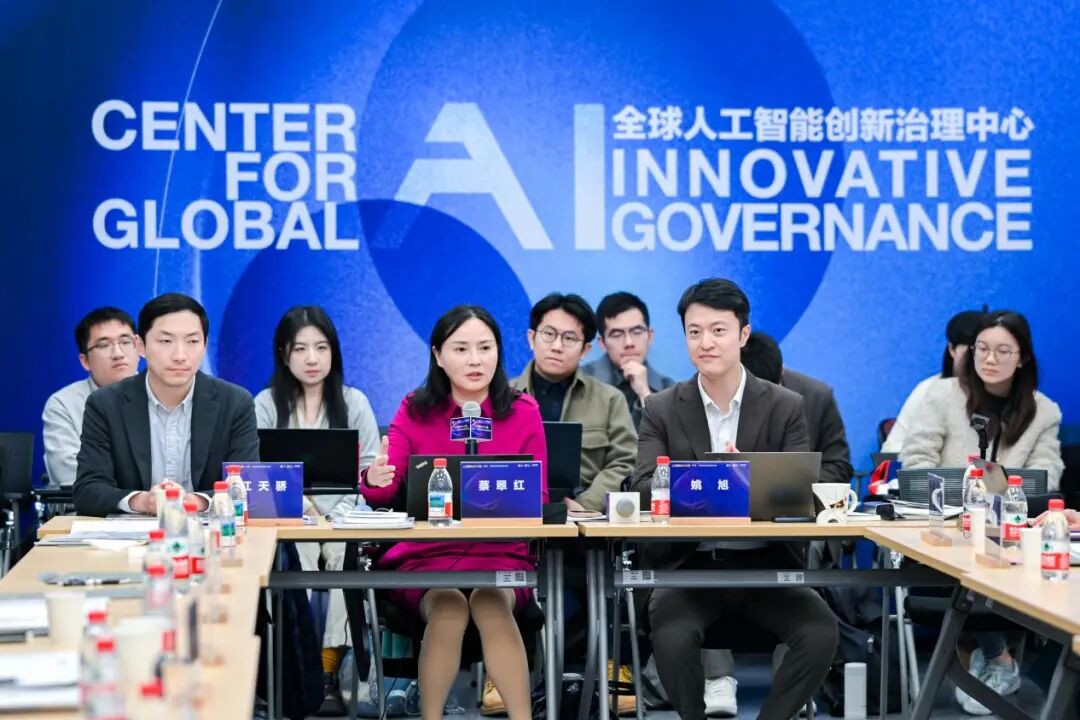
The closing ceremony was moderated by Jiang Tianjiao, Researcher at the CGAIG and Deputy Director of the Fudan Center for BRICS Studies. Cai Cuihong, Deputy Diretor of the CGAIG, professor of the Institute of International Studies at Fudan University delivered the academic summary, highly praising the depth of the session's reports. She noted that as the first systematic academic seminar since the Center’s establishment, this event marks a new phase of systematic output in academic and policy research.
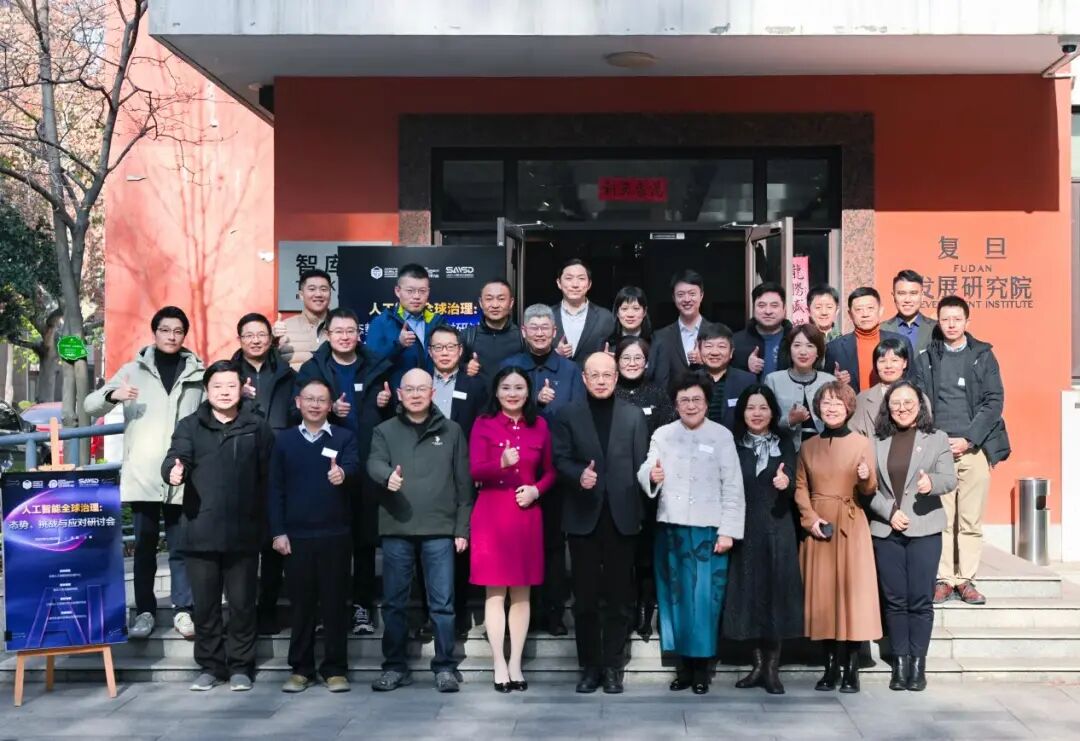
The seminar successfully clarified the fragmented nature of the global governance landscape and the core challenges of major-power competition. It introduced several innovative concepts, such as Agile Governance and Endogenous Security, and forged a cross-disciplinary consensus: AI governance must shift from post-event regulation to ex-ante shaping. By exploring new governance paradigms that adapt to rapid technological evolution, the seminar provided a robust intellectual foundation for the construction of a global AI governance system.