


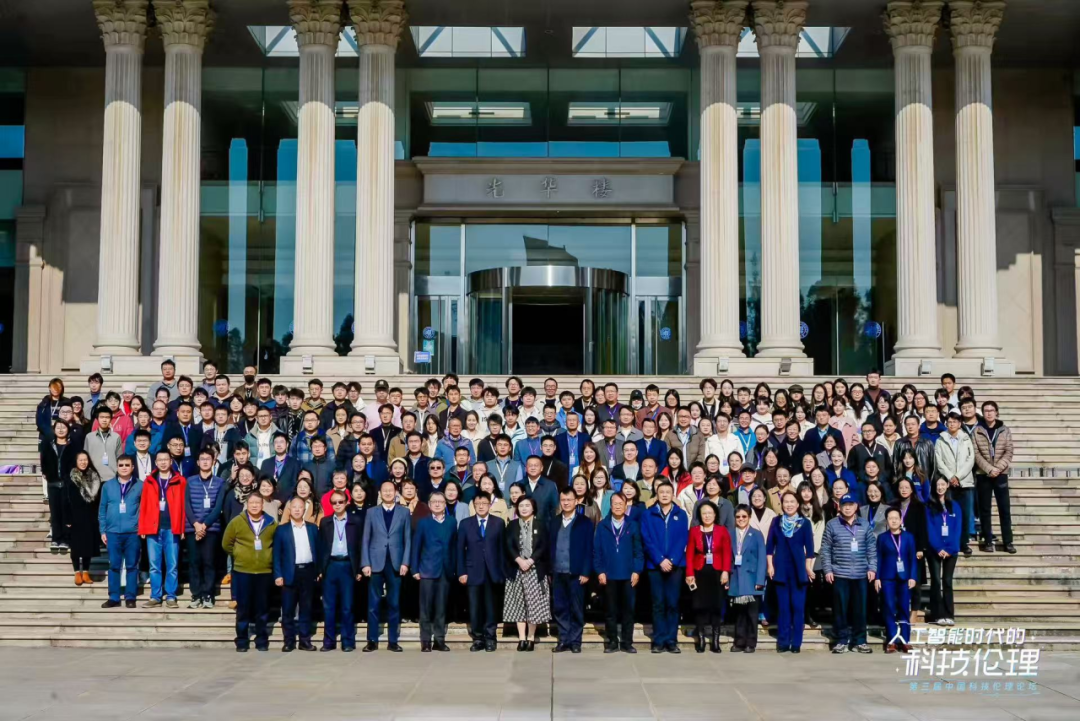
The Third China Science and Technology Ethics Forum opened on the morning of November 21, 2025, at the Wu Wenzheng Lecture Hall, Fudan University. Under the theme Ethics of Science and Technology in the Age of Artificial Intelligence, the event was organized by the China Society for Science and Technology Ethics (in preparation) and co-hosted by the CAST-Fudan Institute of Ethics and Human Futures, the School of Philosophy at Fudan University, and the National Academy of Innovation Strategy, CAST.
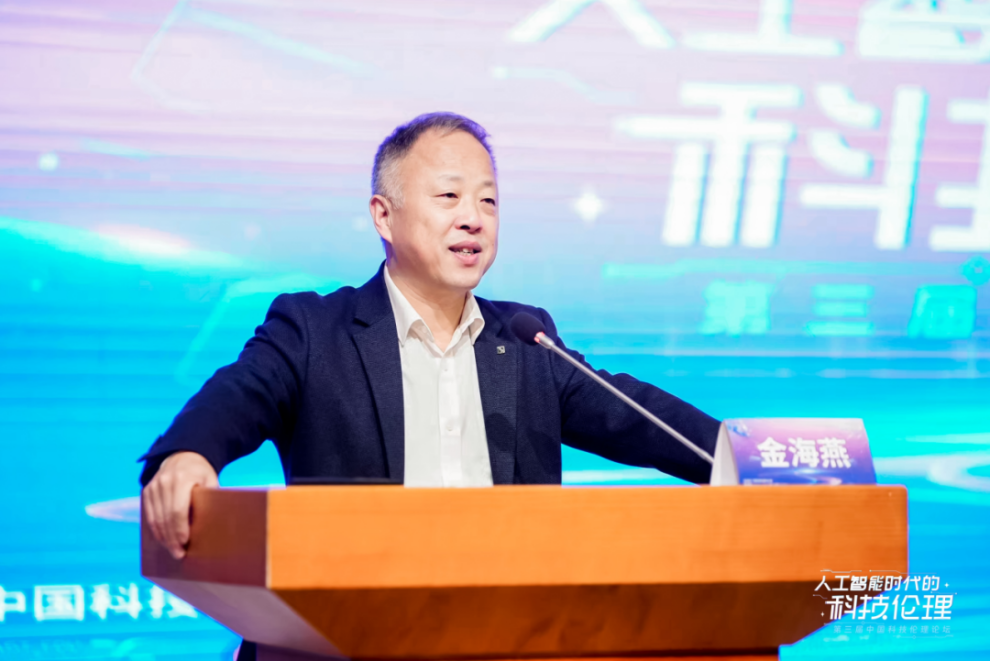
Delivering opening remarks were Wang Jinzhan, Member of the Party Leadership Group and Secretariat of the China Association for Science and Technology (CAST), and Jin Li, CAS Member and President of Fudan University. A keynote address was presented by Zheng Qinghua, CAE Member and Party Secretary of Tongji University. The forum drew over 100 experts and scholars from across the nation and nearly 300 graduate students. The opening ceremony was presided over by Jin Haiyan, Chair of the Council of the CAST-Fudan Institute of Ethics and Human Futures.
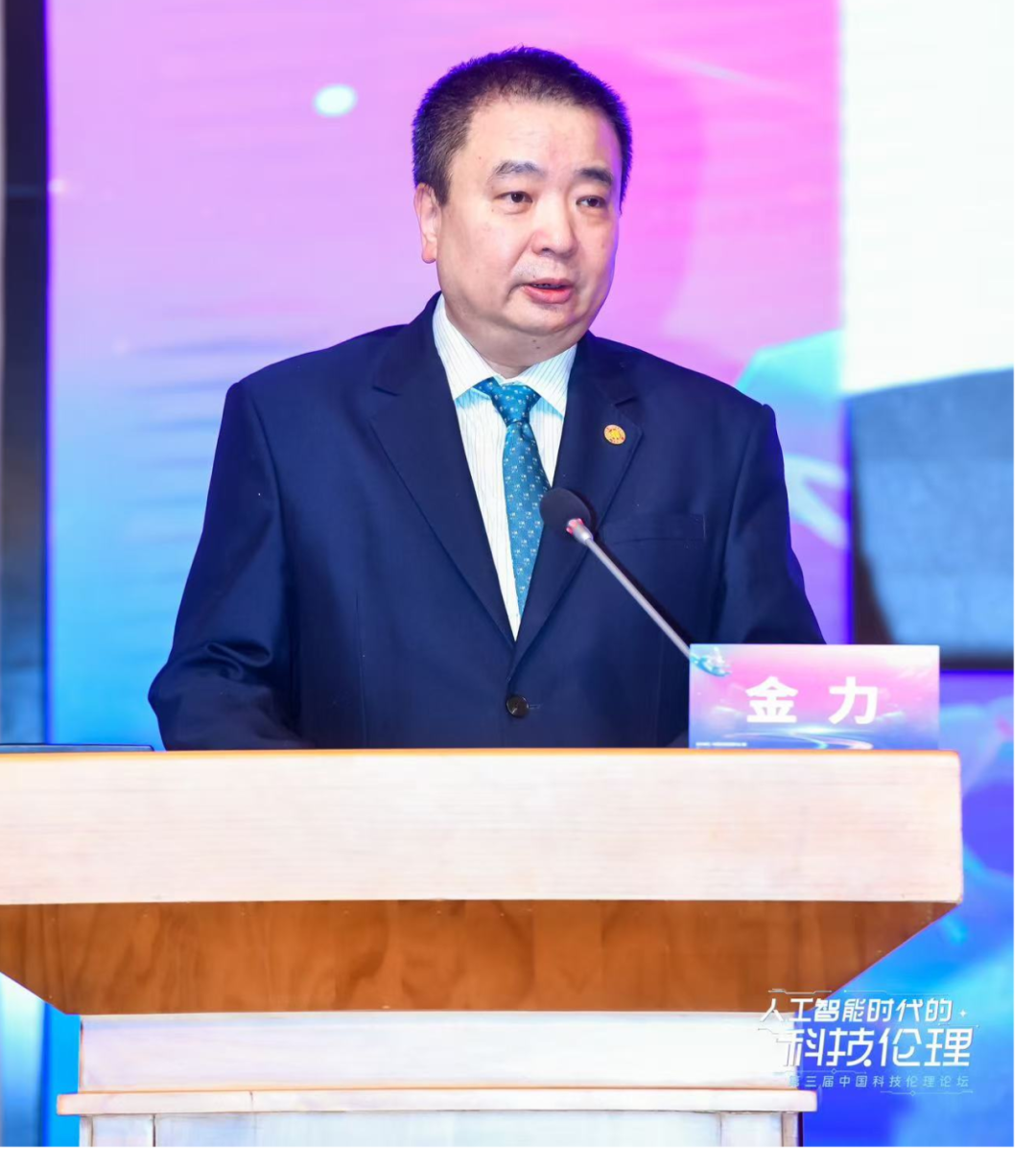
In his welcome address to more than 400 attendees, President Jin Li expressed gratitude for the guidance and support from CAST and the Shanghai Association for Science and Technology. He noted that rapid advances in emerging technologies such as artificial intelligence and brain-computer interfaces place significant demands on the development of ethical frameworks. Ethics in science and technology is the civilizational cornerstone that balances innovation and human values, he remarked. Highlighting Fudan's proactive role, Jin pointed to its pioneering establishment of a research institute for ethics, the launch of a professional master's program in applied ethics, and the global debut of Yijian—the first AI agent system designed specifically for ethical review in science and technology. Fudan remains committed to shaping the discourse on Chinese science and technology ethics, he emphasized. Looking ahead, he expressed hope that the forum would foster consensus, deepen theoretical foundations for responsible innovation, and galvanize broader societal engagement with these critical issues.
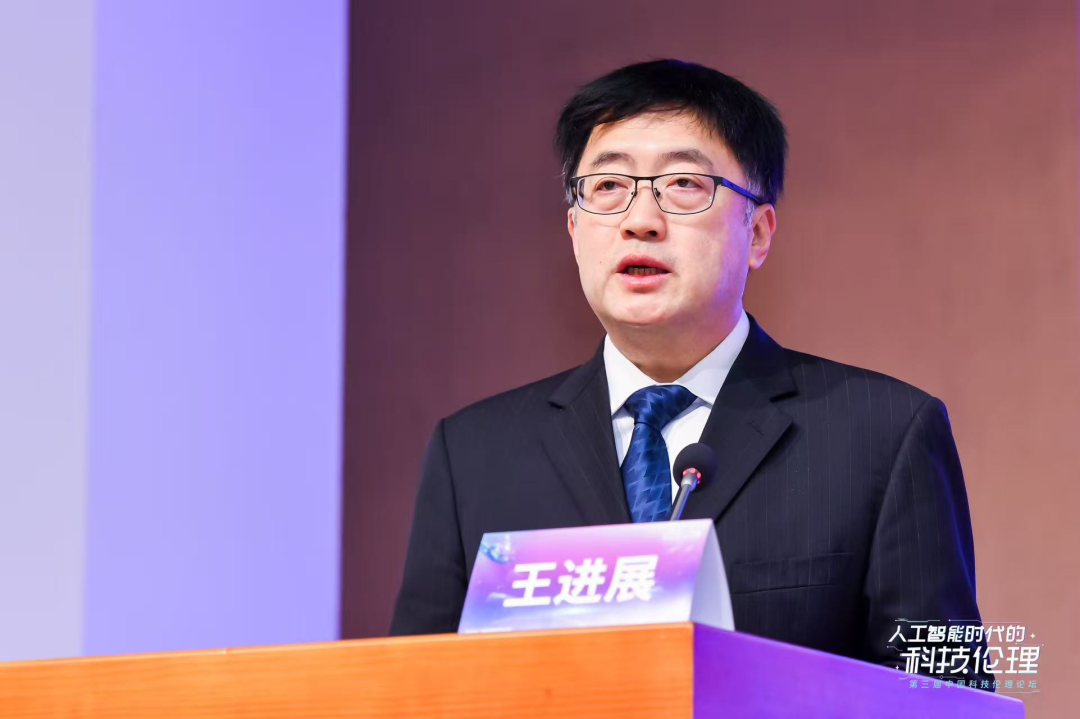
Wang Jinzhan extended warm congratulations on the forum's convening, noting the accelerating evolution of emerging technologies—AI in particular—and the increasing complexity and global nature of related ethical challenges. He proposed three key actions: first, upholding the fundamental principle of human-centered and ethically guided development to strengthen AI ethical norms; second, accelerating the establishment of the China Society for Science and Technology Ethics to enhance academic community support; and third, systematically constructing an independent knowledge framework for science and technology ethics to boost China's international voice in the field. Through collective effort, Wang stated, China will undoubtedly establish a robust ethical governance system for science and technology, safeguarding the achievement of high-level self-reliance and self-strengthening in science and technology.
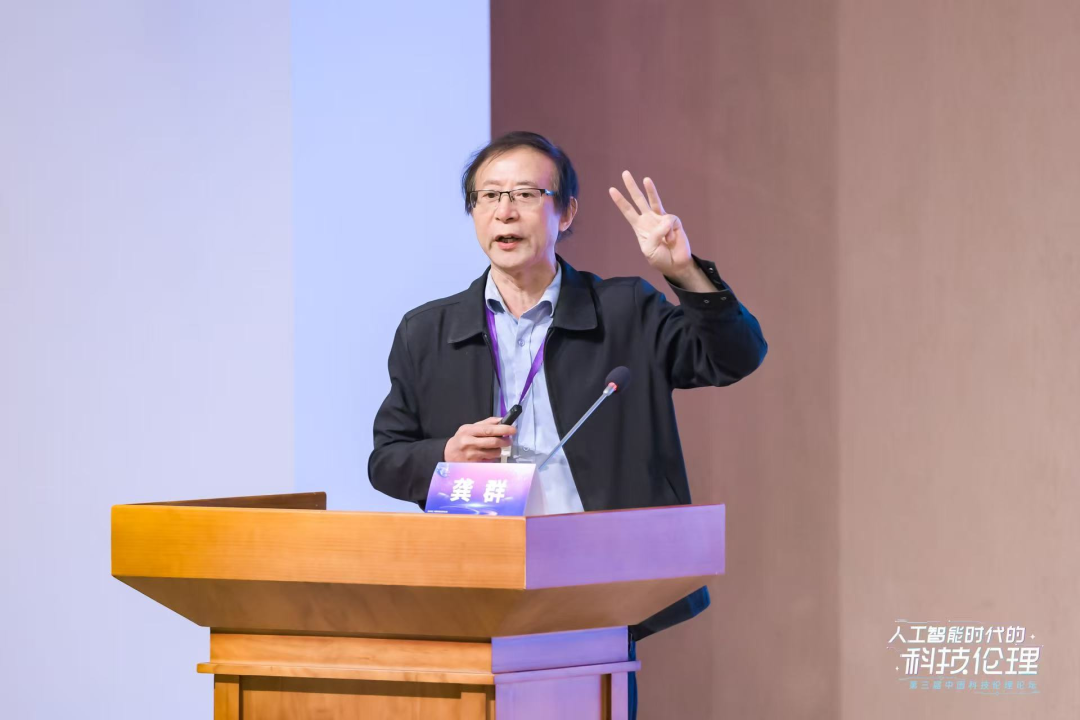
The plenary session following the opening was chaired by Zhang Shuangli, Dean of the School of Philosophy at Fudan University. Three distinguished scholars delivered keynote presentations on core issues related to AI ethics: Professor Yang Min from Fudan University addressed AI safety; Professor Wang Shuqin from Capital Normal University spoke on AI for Good; and Professor Gong Qun from Renmin University of China examined the ethical risks of artificial intelligence.
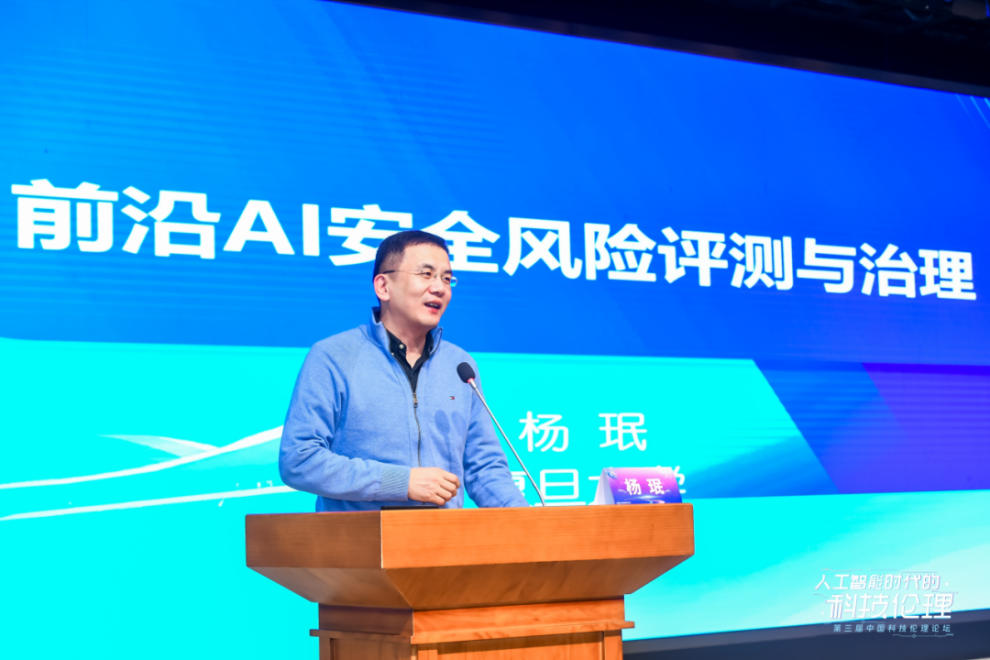
Professor Yang Min highlighted a significant lag in global AI safety governance relative to technological development. To effectively monitor AI risk levels, he argued, comprehensive safety assessments of foundational large models are essential. He introduced the Fudan Baize dynamic safety compliance evaluation platform, noting its capacity not only to efficiently assess models but also to provide forward-looking decision support for national security governance. On AI risk prediction, Yang revealed that testing of 32 open-source large models had uncovered autonomous replication capabilities in 11, signaling potential loss of control. He called for interdisciplinary governance mechanisms to ensure AI development remains on a safe and controlled trajectory.
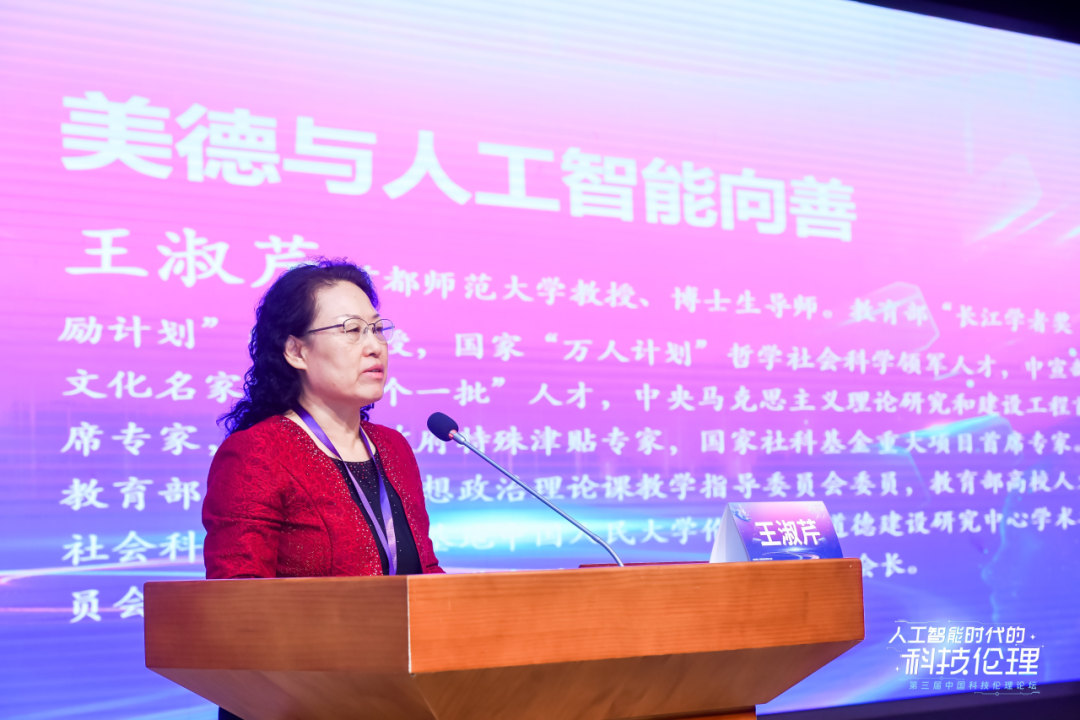
Professor Wang Shuqin characterized modern science and technology, led by AI, as a fourth force shaping humanity's future—alongside politics, land, and capital. She stressed that the instrumental value of technology must always be guided by human purpose and values. An intelligent agent is essentially a carrier of human intent, she noted, and the responsibility for value alignment ultimately rests with us. In the face of inherent delays in legal regulation, virtue ethics plays an indispensable complementary role, Wang argued. Technology professionals must exercise moral self-discipline to resist temptations in gray areas not yet covered by clear regulations. Likewise, technology reviewers should uphold fairness and integrity, guarding against collusion and building a governance system where law and virtue reinforce each other.
Professor Gong Qun traced the ethical risks of generative AI to a fundamental tension between instrumental and value rationality in modernity. He identified three core risks: the black box problem, creating regulatory and ethical challenges; machine hallucinations, causing factual and perceptual errors; and privacy risks from personal data collection by platforms. Addressing these challenges, Gong advocated for a governance framework centered on human responsibility, strengthened algorithmic auditing, and robust protection of individual data rights, striving for harmony between technological progress and human values.
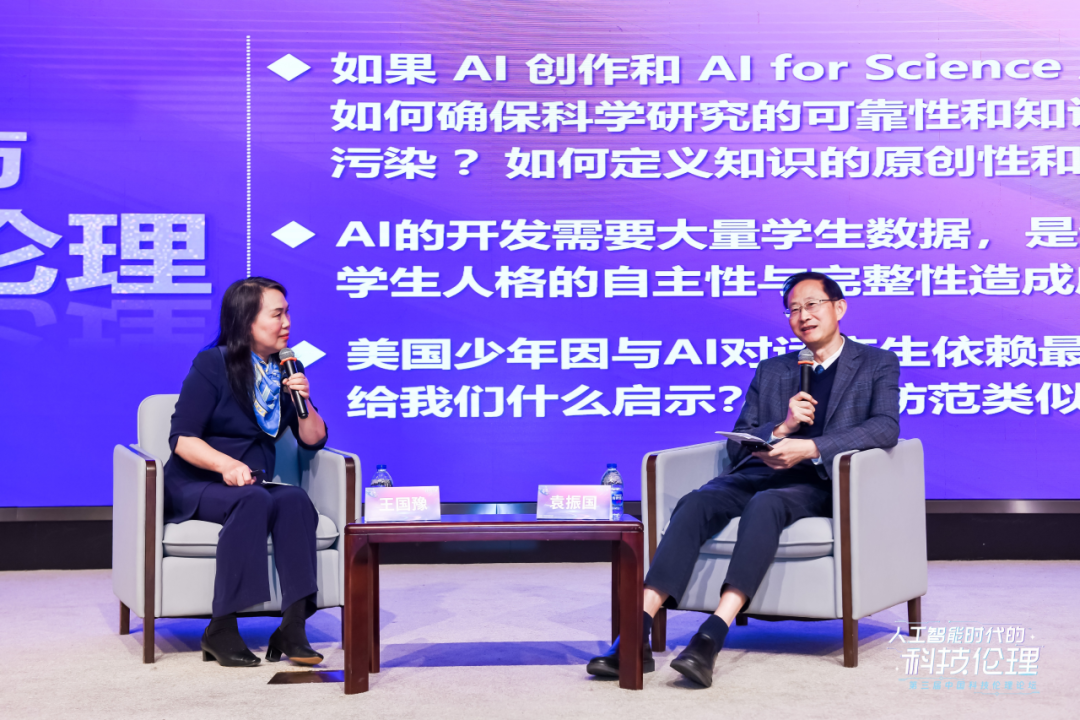
Following the keynote presentations, a featured dialogue took place between Professor Wang Guoyu of Fudan University's School of Philosophy and Professor Yuan Zhenguo, Emeritus Professor of East China Normal University (ECNU). Their conversation centered on Educational Remodeling and Ethical Boundaries in the Age of AI, using as a springboard the recent academic debate sparked by ECNU's call for papers authored primarily by AI. They delved deeply into questions of responsibility in human-machine collaboration and the essential nature of creativity. Professor Yuan clarified that the initiative was intended as an experiment exploring AI's creative potential, documenting through prompt engineering how humans might guide AI in co-creation and exploring new human roles in the AI era. On the transformation of educational paradigms, Yuan proposed a tripartite interactive model of teacher-student-agent, envisioning future education breaking physical boundaries to create personalized, omnipresent learning environments. He concluded the dialogue with a powerful reflection: The essence of education in the AI age is to teach both teachers and students to be the masters of machines in a human-machine symbiosis.
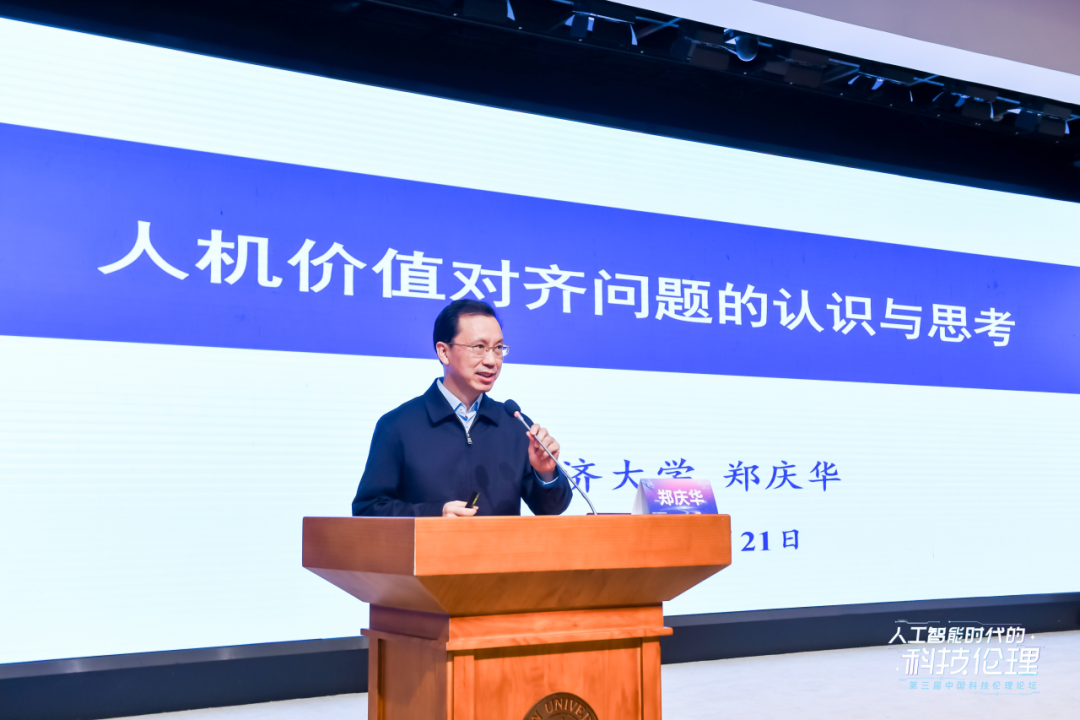
The forum also featured a special invited report by Academician Zheng Qinghua, titled Understanding and Reflections on Human-Machine Value Alignment. Currently, value alignment in AI stands as a core societal challenge. Zheng argued that rapid AI advancement brings risks such as algorithmic bias, machine hallucinations, and ambiguous intellectual property rights, with the fundamental issue lying in the conflict between the complexity and ambiguity of human values and AI's pursuit of precision. His proposed solution involves bidirectional alignment: AI must calibrate its values through reinforcement learning from human feedback, while humans must adapt to new paradigms of human-machine collaboration. Achieving true value alignment, Zheng suggested, requires building a multidimensional, continuously evolving system that integrates technological, governance, and cultural efforts.
The afternoon session featured thematic panels addressing a range of critical topics: human autonomy and identity in an age of human-machine symbiosis; opportunities and challenges posed by AI in medicine and neuroscience; the potential for AI-driven moral enhancement and AI-enabled ethical exploration; ethical governance of AI and the construction of global discourse systems; methodological research in science and technology ethics; and ethical dimensions of AI in art and narrative. The forum also provided a platform for emerging scholars in the field, hosting eight graduate student panels with awards for outstanding papers announced during the closing ceremony on the afternoon of November 22.
By centering on the theme Ethics of Science and Technology in the Age of Artificial Intelligence, the forum offered a profound examination of the concurrent opportunities and challenges presented by contemporary AI development. Through in-depth exchange and discussion, the event aimed to contribute forward-thinking and constructive perspectives to AI governance, reinforcing the academic commitment to guiding technology toward the betterment of humanity.
Link:https://mp.weixin.qq.com/s/uwtarkWwtjrAS5VnR2HU6g