


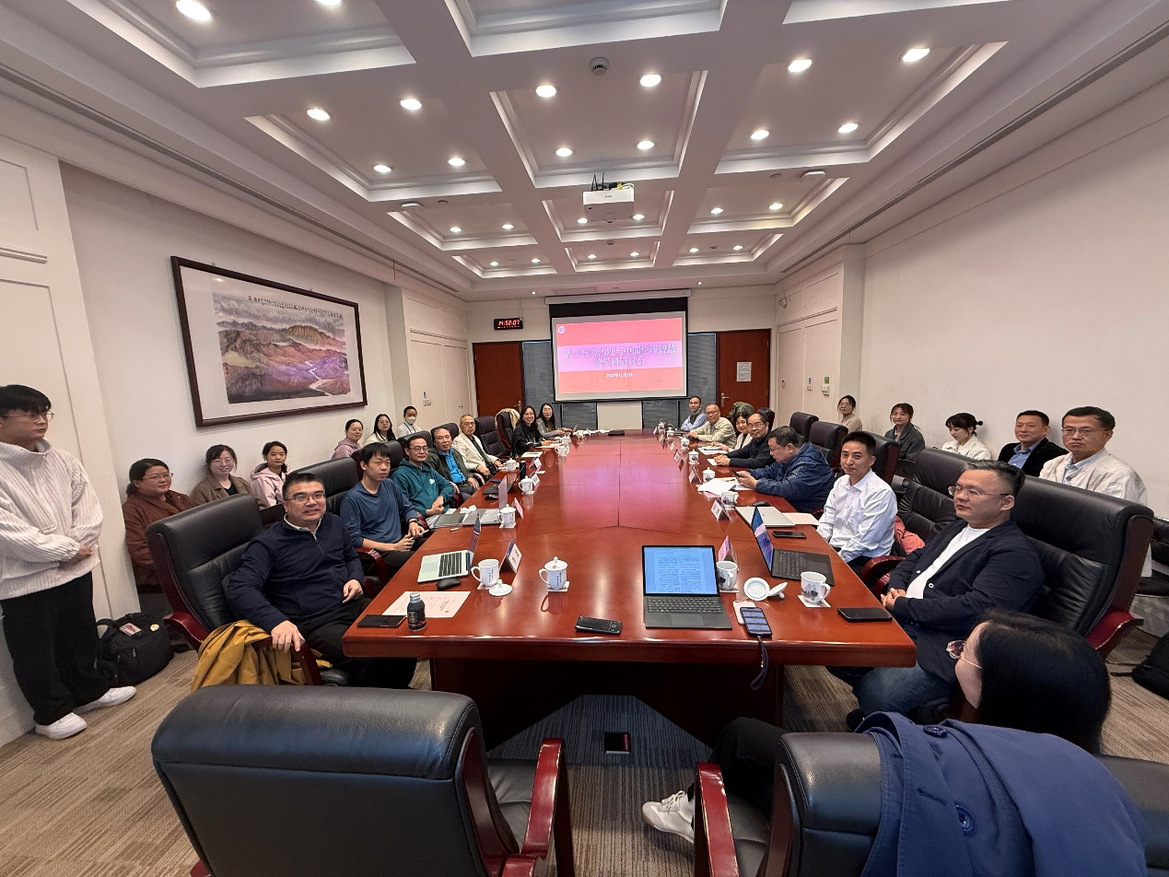
How can Chinese ethical thought provide appropriate and profound intellectual nourishment for artificial intelligence governance in the AI era? On November 5, 2025, the Interdisciplinary Academic Symposium on “AI Governance and Chinese Ethical Wisdom” was held at the Guanghua Tower of Fudan University. As part of the 19th (2025) “Academic Activity Month for Academic Societies” hosted by the Shanghai Federation of Social Science Associations, the symposium was organized by the Shanghai Ethical Society and co-organized by the National Teaching Innovation Center for the Course “Ideological and Moral Cultivation and Legal Basis” (Fudan University), Ministry of Education, and the Institute of Applied Ethics, East China Normal University.
Nearly 30 experts and scholars from Fudan University, East China Normal University, Shanghai University and other universities gathered to discuss the theme of “AI Governance and Chinese Ethical Wisdom”. Their research fields cover Marxist theory, philosophy of science and technology, ethics, law, political science, history and other disciplines.
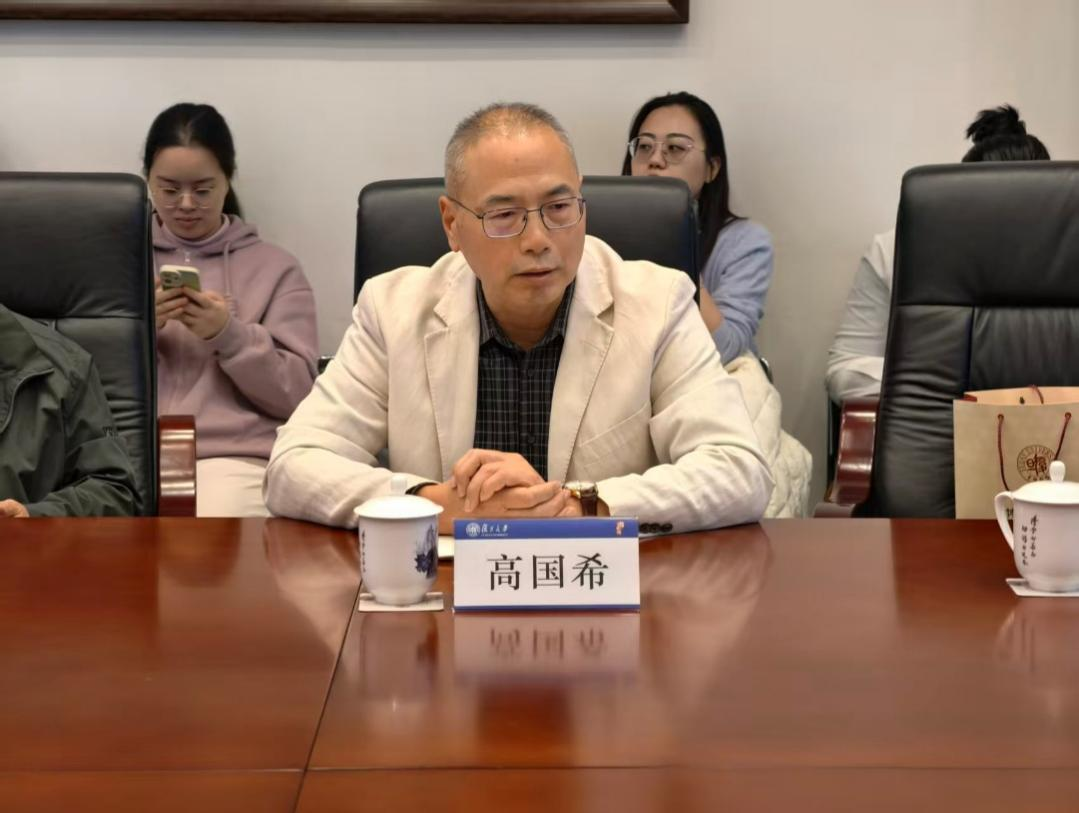
At the beginning of the event, Professor Gao Guoxi, Director of the Academic Committee of the Shanghai Ethical Society and School of Marxism, Fudan University, delivered an opening speech. Starting from the development of artificial intelligence, he emphasized the necessity of AI governance and expected participants to provide interdisciplinary perspectives by drawing on ethical wisdom rooted in fine traditional Chinese culture from their respective disciplinary backgrounds.
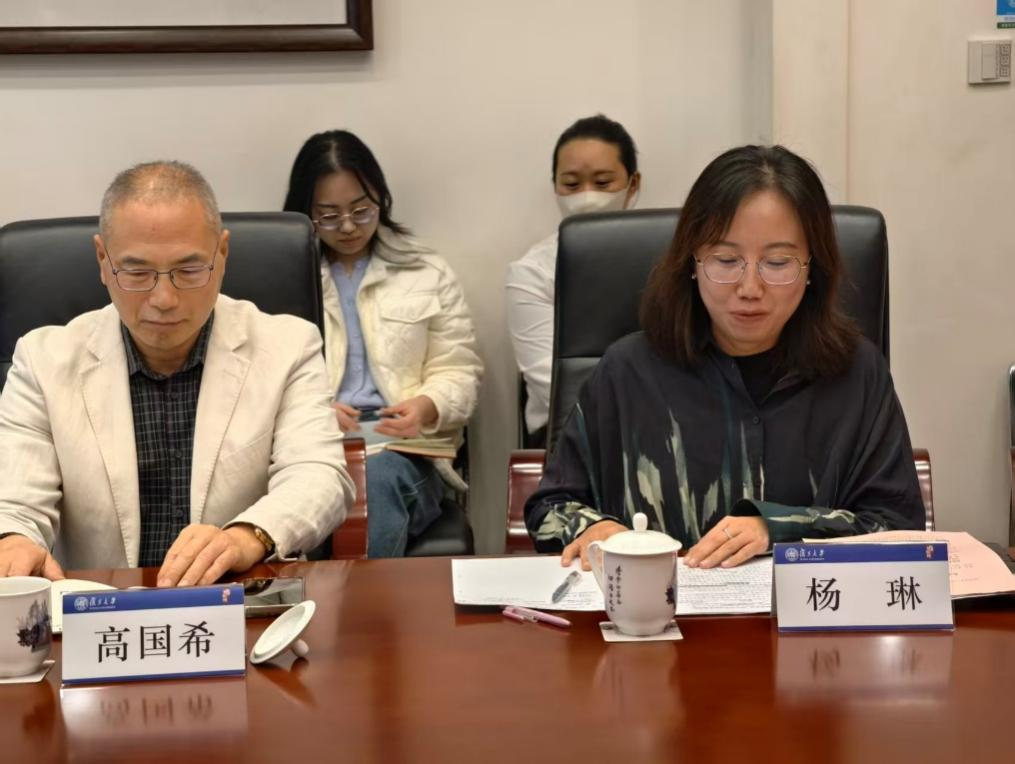
Ms. Yang Lin, Deputy Director of the Academic Society Division of the Shanghai Federation of Social Science Associations, delivered a speech in which she introduced the Federation’s work in connecting academic societies in philosophy and social sciences. She noted that the Ethical Society touches the roots and pulse of the AI era at a profound level concerning what it means to be human. She hoped that scholars would promote morality and truth through interdisciplinary research, pursue lofty aspirations and become role-model scholars, and develop forward-looking research topics for in-depth exchanges with the Federation.
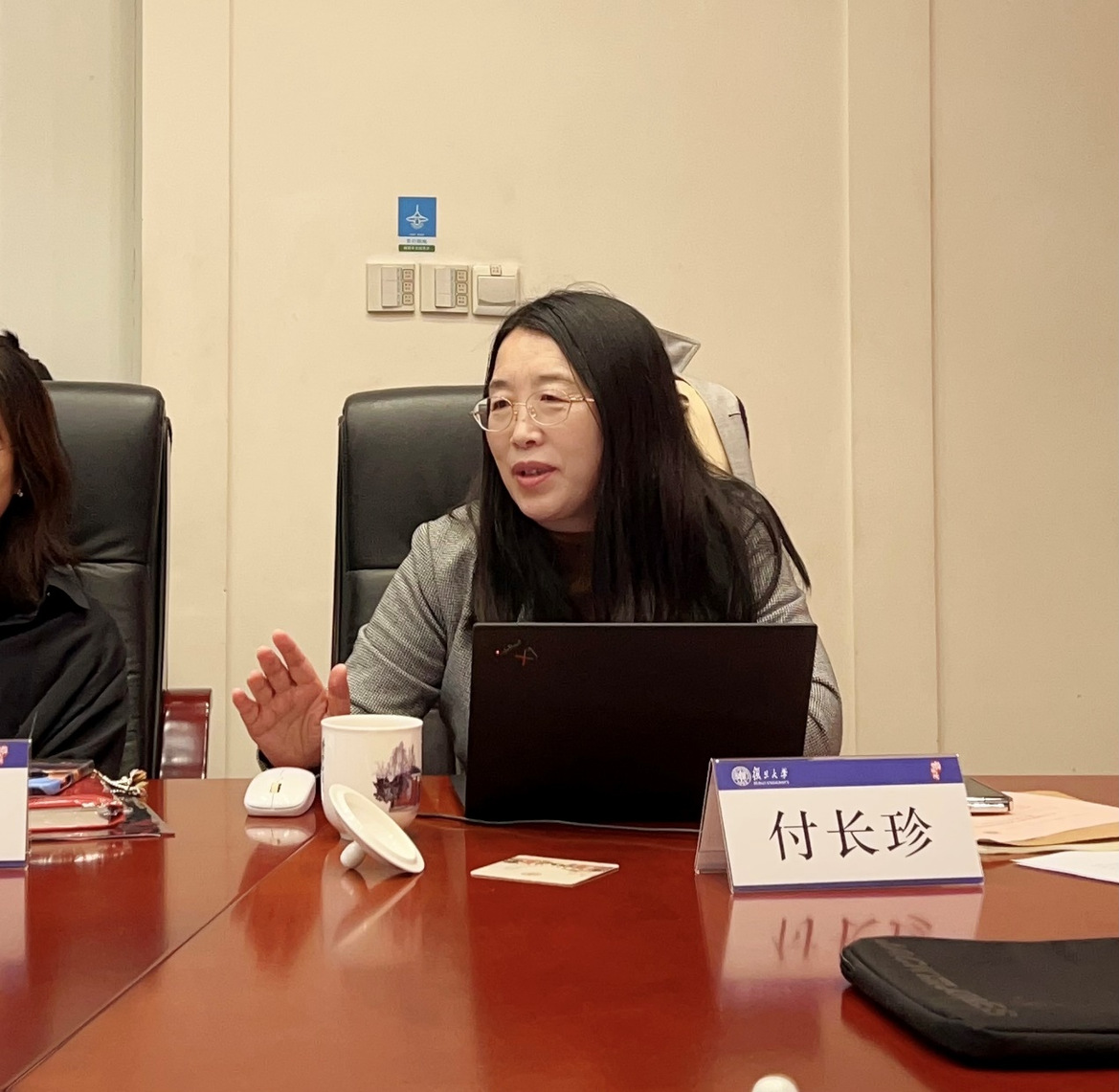
Professor Fu Changzhen, President of the Shanghai Ethical Society and Department of Philosophy, East China Normal University, focused on ethical dialogue on artificial intelligence in the context of exchanges between Chinese and European civilizations. She explored the unique affective ethical approach of Chinese ethical wisdom, proposing a new era of global ethical community with a human-machine relationship of “co-vitality and coexistence”, and offering Chinese wisdom for a global ethical governance community in the AI era through “rational affection” that integrates emotion and reason. Accordingly, she argued for a fundamental shift in the meta-understanding of ethics and the reshaping of new concepts of “All-under-Heaven” and “civilization” to lead human society toward the highest good and brightness.
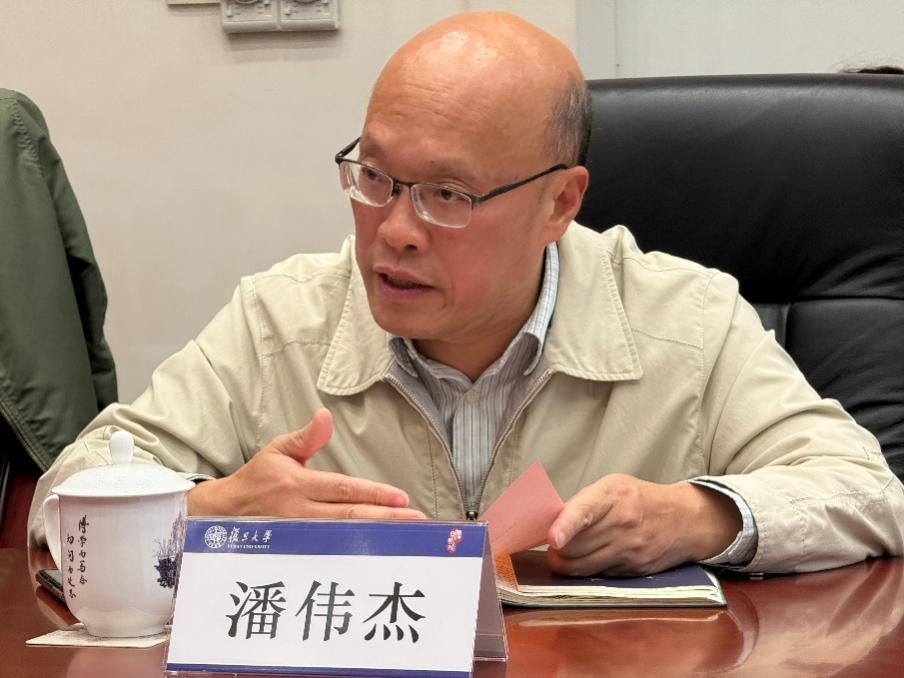
Professor Pan Weijie, School of Law and Secretary of the Party Committee of the School of International Relations and Public Affairs, Fudan University, delivered a speech on “Jurisprudence, Law and National Competitiveness in the AI Era”. He stressed the need to view human existence and development since the Industrial Revolution from a historical and systematic perspective, and to deepen understanding of Marx’s thesis that “law is based on society” in the age of artificial intelligence. Addressing the uncertainties and complexities of the times from the foundational dimensions of social life would better define jurisprudence, construct laws and position national competitiveness. This requires, first, a more thorough understanding of world history; second, enriching modernity with artificial intelligence and reflecting on the emergence of democracy and civil rights; third, overcoming the shackles of technological despotism brought by systematic new power and addressing human liberation within such constraints, toward a more complete and comprehensive realm of social emancipation.
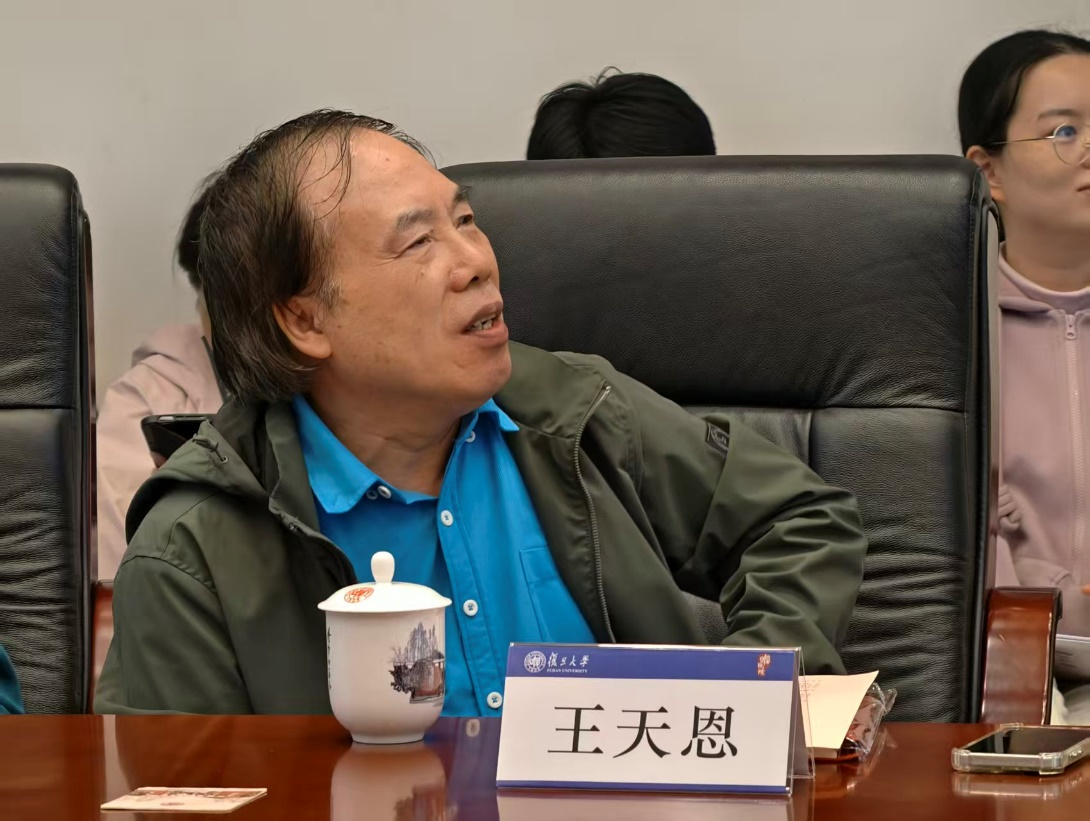
Professor Wang Tian’en, Department of Philosophy, Shanghai University, spoke on “Why Does the Development of Artificial Intelligence Require Chinese Ethical Wisdom”. He pointed out that research on AI ethics must be based on an adequate understanding of artificial intelligence and its development, which in turn requires understanding big data, and further requires a deeper grasp of information as its source. As a receptive relationship, information features generativity, emergence, reciprocity and shareability. Based on this understanding of information, three levels of AI development can be identified: human-knowledge-level AI, information-coding-level AI, and information-level AI (artificial general intelligence). Chinese ethical wisdom offers particularly significant insights here. A group is a community formed by similar information entities. According to the strength of reciprocity among individuals, stronger reciprocity accompanies greater individuality, while weaker reciprocity comes with greater homogeneity. Reciprocity requires complementary mechanisms: strong reciprocity embodiesharmony without uniformity, while weak reciprocity leads to “uniformity without harmony”. The integrated nature of rules and regularities in AI ethics is highly consistent with Chinese ethical wisdom.
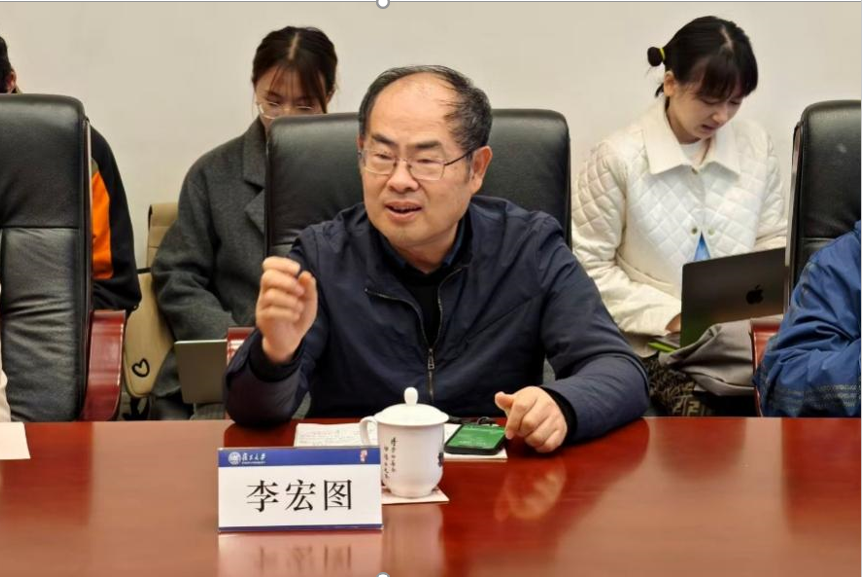
Professor Li Hongtu, Department of History, Fudan University, took the question “Will Life Be Happier in the AI Era?” as his starting point. He reviewed discussions on the human right to pursue a happy life since the Enlightenment, focusing on five concepts: rationality as self-subjectivity, emotion as sensory connection, faith in knowledge, science and humanity, prosperity as material consumption, and virtue as the boundary of conduct. He argued that historical reflection helps answer whether the AI era can create a better life, and reveals the universal human concern for a happy life inherent in cultural diversity.
The second session of keynote speeches was chaired by Professor Dong Yahua, School of Marxism, Fudan University.
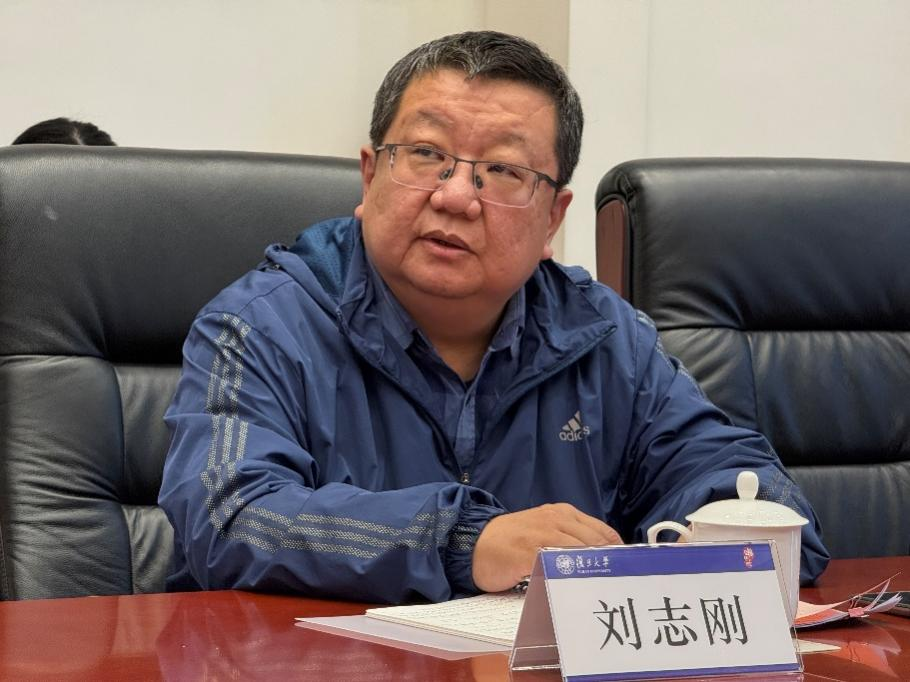
Professor Liu Zhigang, School of Law, Fudan University, addressed “The Logic and Path of AI Empowering the Rule of Law in China”. Based on the uneven application of artificial intelligence in legal theory, he outlined pathways for “AI to promote economic and social development”. Using the example of AI-based detection in academic thesis assessment, he noted that as technology matures, rigid institutions regulating technology must also evolve. In the development of socialist rule of law with Chinese characteristics, new potentials for AI application exist in discipline inspection and supervision, public law, and grassroots social governance. Attention must be paid to the complex relations among citizen privacy and rights, sectoral monopolies in data sharing, and the construction and maintenance of regulatory systems, demonstrating the unique appeal of Chinese wisdom.
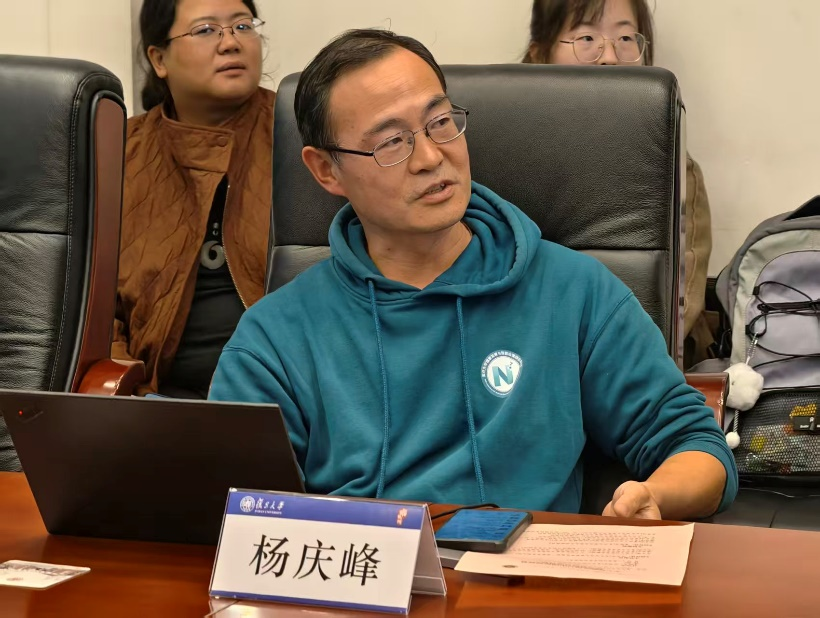
Professor Yang Qingfeng, Institute of Technoethics and Human Future and Research Fellow, Global AI Innovation and Governance Center, Fudan University, spoke on “Levels, Bian Que and AI Governance”. Focusing on the temporal characteristics of layered AI risks, he highlighted the extraordinary complexity of AI governance. Drawing on traditional Chinese wisdom from *Han Feizi* in which Bian Que stages interventions according to the progression of illness, he argued that AI governance must consider the temporal dimensions of risk emergence, AI development stages and the overall evolution of artificial intelligence.
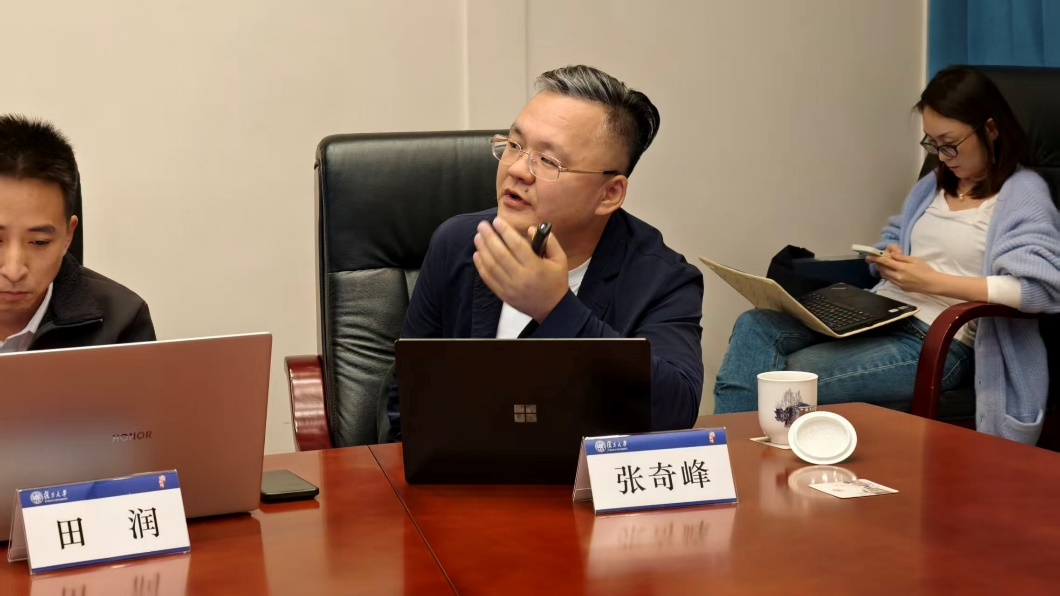
Associate Professor Zhang Qifeng, School of Marxism, Fudan University, delivered a speech on “Ethical Alignment in the AI Era”. Based on the development of EU AI governance regulations, he drew on the philosophy of Yangmingism and other intellectual traditions to explore whether AI can maintain an innocent mind, that is, whether machine intelligence can incorporate human ethical norms and requirements. By citing classical texts and modern theories, he creatively integrated traditional Chinese ethical wisdom with cutting-edge developments in artificial intelligence.
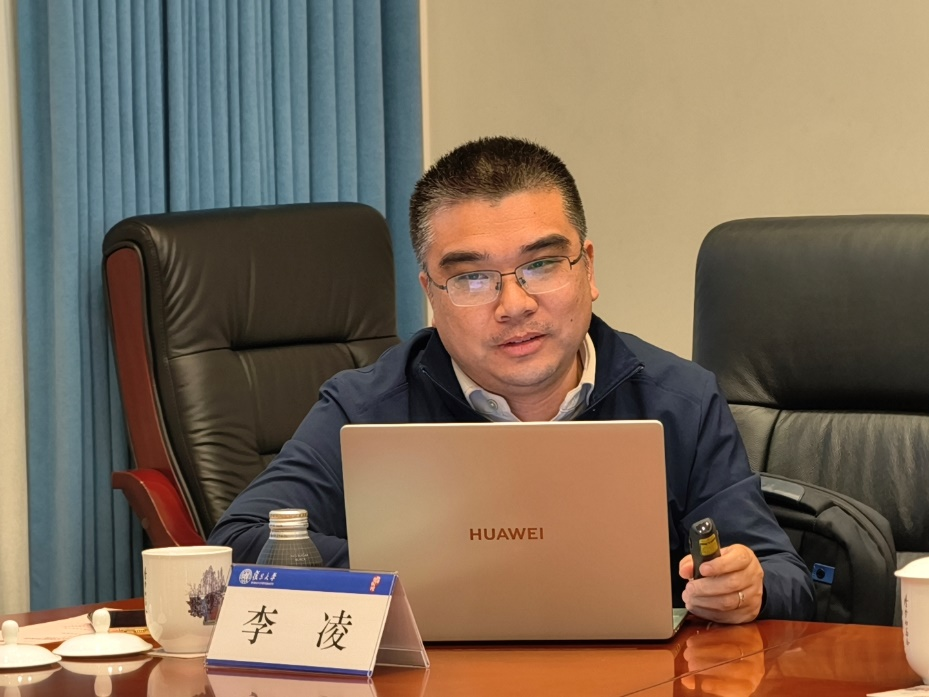
Research Fellow Li Ling, Institute of Marxism, Fudan University, presented on “From Transparency to Sincerity and Enlightenment: Interpreting the Principle of Transparency in AI Ethics through the Concept of ‘Cheng’”. She elaborated on the openness and transparency implied by “unconcealment”, and combined the foundational principles of global media ethics with the algorithmic black box. She pointed out that accessibility and traceability in the AI era embody the inherent meaning of openness, transparency and truth. On this basis, “cheng” (sincerity) points to human pursuit, moral norms and self-cultivation.
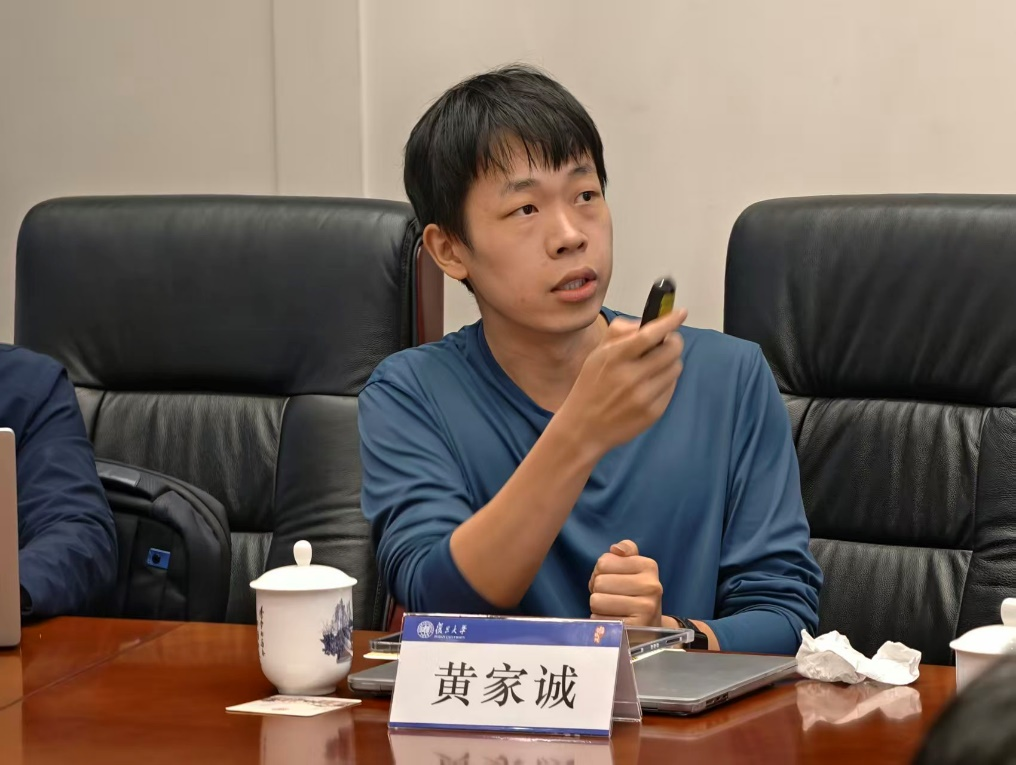
Mr. Huang Jiacheng, Postdoctoral Researcher, Department of Philosophy, East China Normal University, addressed the missing subject of responsibility in human-machine interaction. He argued that the “many hands problem” cannot resolve the dilemma of responsibility for AI-related harms, and proposed replacing subjective rationality with Habermasian communicative rationality, using Toulmin’s argumentation model as a logical bridge to construct a responsibility mechanism for human-machine collaboration.
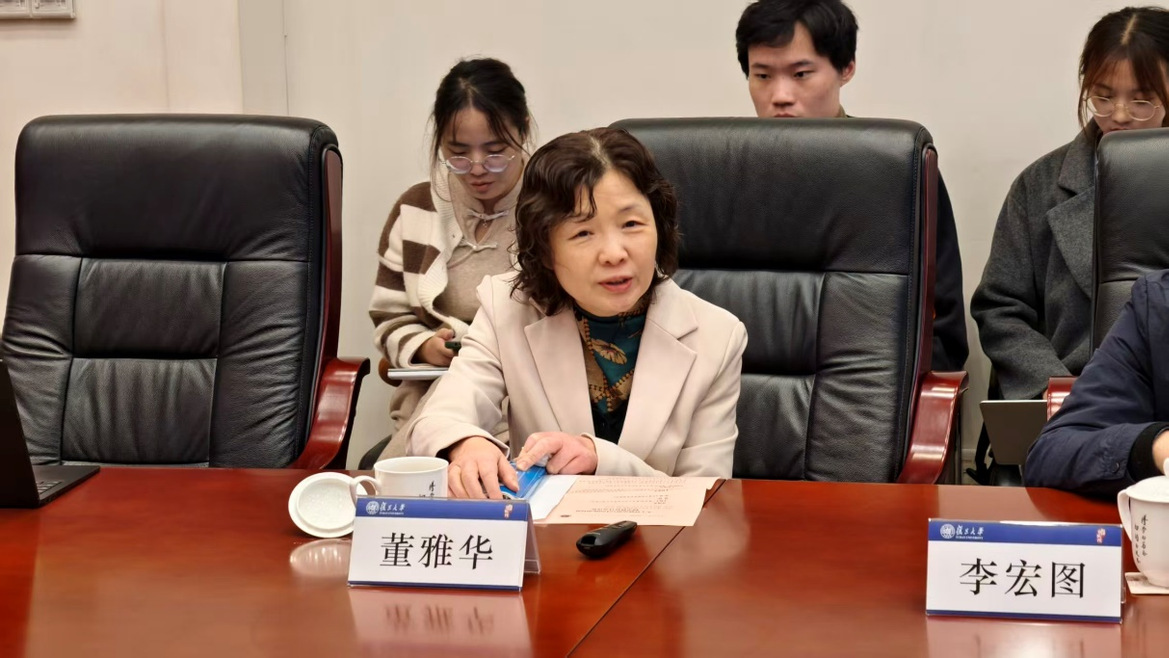
Professor Dong Yahua delivered a brief summary of the keynote speeches. She noted that the essential issue of artificial intelligence is human-like ethics, and the soul of AI lies in the humanities, whose core is values. Experts and scholars examined the boundaries of human nature and social existence from perspectives including national governance and social jurisprudence, which constitutes the enduring mission of researchers in this field. Meanwhile, it is essential to respond to the opportunities and challenges in the complex human-AI relationship, addressing practical questions such as how to design AI to uphold human existence and dignity in complicated moral situations. In education, instructors of ideological and political courses should be guided by the fundamental task of fostering virtue through education, actively integrating mainstream values into AI principles, and highlighting the human-centered and educational nature of teaching in the AI era.
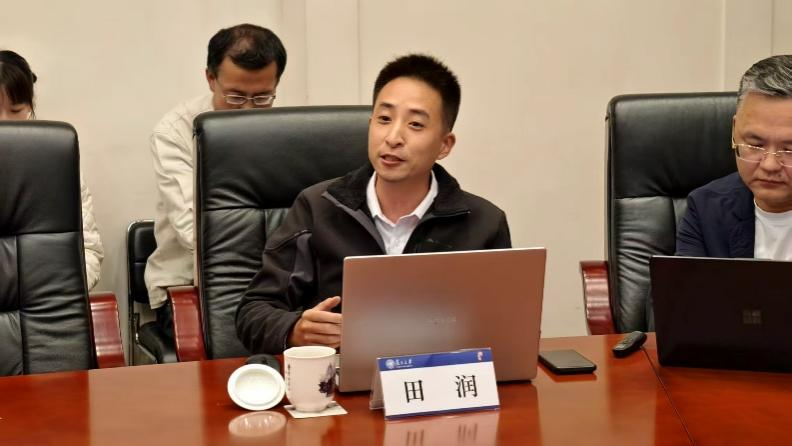
In the roundtable discussion, Ms. Tian Run, Editor of the Journal of East China Normal University, exchanged views on whether AI can bridge the gap of social inequality, noting that contemporary Chinese wisdom is conducive to advancing social equity in the AI era.
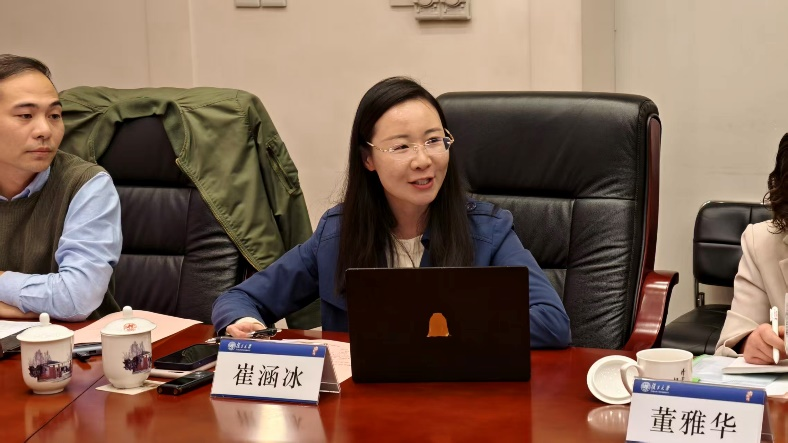
Ms. Cui Hanbing, School of Marxism, Fudan University, shared her views on teacher autonomy in the AI era, emphasizing the importance of guiding and improving students’ ideological attitudes and values.
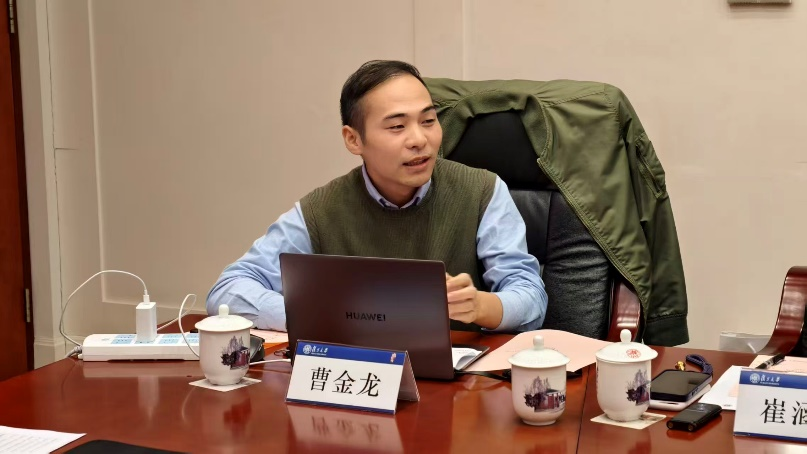
Mr. Cao Jinlong, School of Marxism, Fudan University, discussed how the subject can confirm self-subjectivity in the AI era, focusing on whether AI can develop its own internal ethics to order the artificial intelligence world.
In the Q&A session, Ms. Yang Yuqian, Postdoctoral Researcher, Institute of Higher Education, Fudan University, raised a question about whether human-machine interaction may weaken students’ internal identification with mainstream socialist core values. Experts responded from the perspectives of value guidance, emotional communication, subjective embodied experience and identity construction in virtual worlds.
Professor Gao Guoxi of Fudan University delivered the concluding remarks. He pointed out that as the AI era has arrived, the subject is not choosing whether to engage with it but has been thrown into this condition. Educators in particular face young people growing up with intelligent media, and forming deep connections with learners while addressing their doubts is a practical challenge for every educator. Proceeding from the fundamental nature of humanity, he stressed that the AI era calls for deeper reflection on “what is human essence”. The pursuit of human liberation and freedom, and the preservation of human ethical identity, are major issues confronting all humanity.