


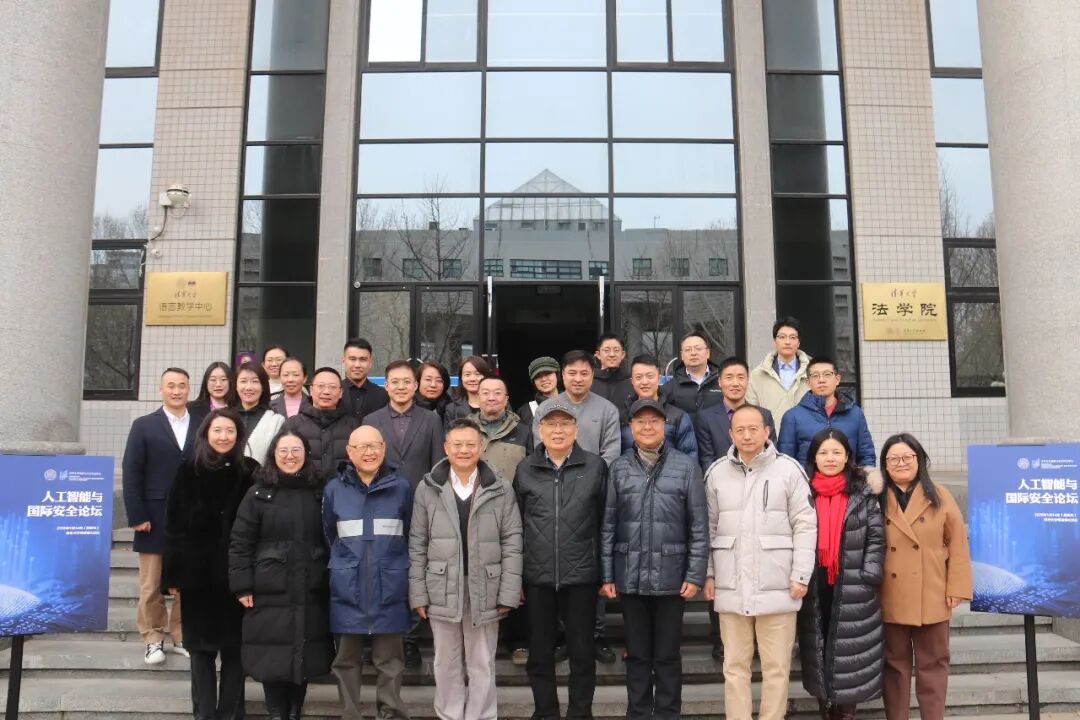
On January 14, 2026, the Center for International Security and Strategy (CISS) at Tsinghua University hosted the Forum on Artificial Intelligence and International Security.
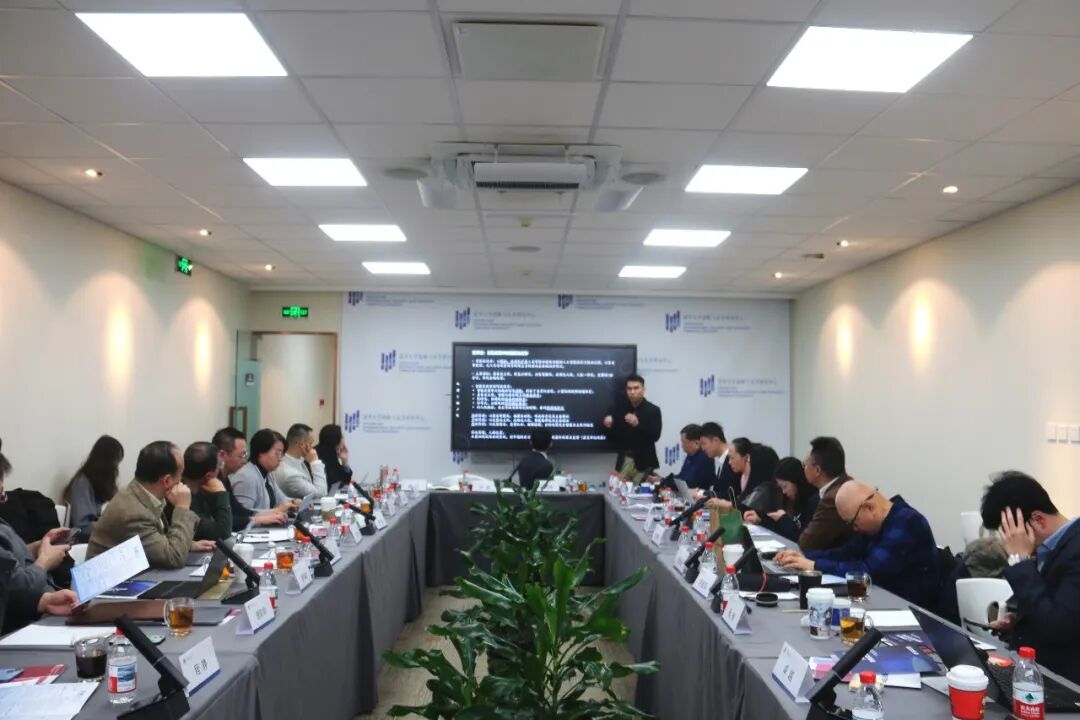
The forum brought together nearly 30 experts and scholars from leading universities and research institutions, including Tsinghua University, the National Defense University, Peking University, the China Institutes of Contemporary International Relations, Fudan University, Tongji University, and the Shanghai Academy of Social Sciences. Participants held in-depth discussions on four major topics:
- New Changes and Trends in Global Security Governance in the AI Era
- Militarization of Artificial Intelligence and Emerging Security Risks
- Proliferation of Artificial Intelligence and Security Threats from Non-State Actors
- Rules for AI Governance in International Security and China’s Initiatives.
Session 1: New Changes and Trends in Global Security Governance in the AI Era
Chaired by Xiao Qian, Deputy Director of CISS, the first session focused on new changes and trends in global security governance amid the rise of artificial intelligence.
Experts explored pathways for integrating artificial intelligence into traditional national security sectors, mapped out the research framework of the development-technology-geopolitics nexus, and analyzed the strategic competition between China and the United States in the field of artificial intelligence. They also exchanged views on key issues including the institutional building, pathways, and multi-stakeholder coordination for global AI security governance.
Session 2: Militarization of Artificial Intelligence and Emerging Security Risks
Moderated by Sun Chenghao, Associate Research Fellow at CISS, the second session centered on the militarization of artificial intelligence and emerging security risks.
Discussions covered new security risks arising from the application of AI technologies in military, cyber, biological, nuclear, and chemical domains. Experts exchanged views on the technological applications and boundaries of AI militarization, bottom lines for risk control, and trends in arms development across countries.
Session 3: Proliferation of Artificial Intelligence and Security Threats from Non-State Actors
Chaired by Dong Ting, Associate Research Fellow at CISS, the third session examined AI proliferation and security threats posed by non-state actors.
Against the backdrop of rapid diffusion, commercialization, and open-sourcing of AI technologies, participants analyzed potential security threats such as terrorism, transnational crime, and cyberattacks enabled by non-state actors using artificial intelligence. They reviewed the characteristics and interactions among three AI governance models-those of the United States, Europe, and China-and assessed the digital divide and cybersecurity challenges facing Global South countries, as well as corresponding response strategies. The session also explored the mechanisms and governance pathways for AI misuse, and the role and consensus of international law in global governance.
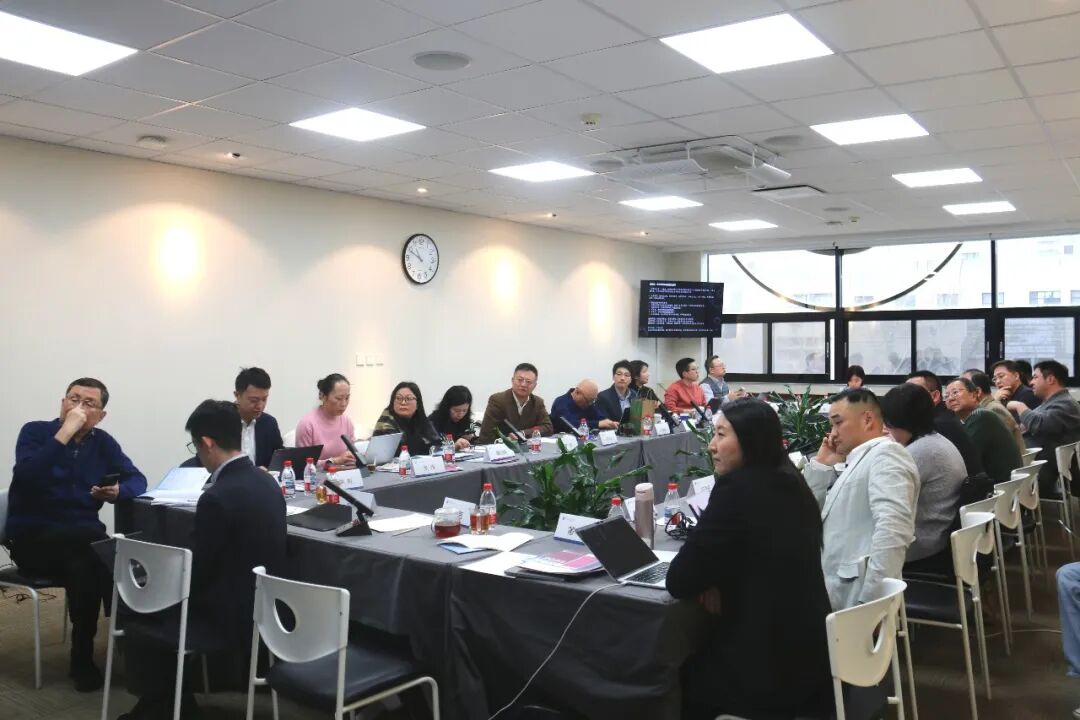
Session 4: Rules for AI Governance in International Security and China’s Initiatives
Moderated by Zhou Bo, Research Fellow at CISS and Distinguished Expert of China Forum, the fourth session focused on the formulation of international security governance rules for artificial intelligence and China’s concepts and contributions.
Experts discussed the connotations of national AI security governance, its multi-dimensional governance tools, and dynamic evolutionary features. They analyzed areas of consensus and divergence among countries in security governance, and elaborated on the landscape of global AI governance and pathways for participation by diverse actors. Discussions also addressed challenges including fragmented governance rules, the role of the United Nations, the governance capacity boundaries of leading powers, and pathways for AI arms control, with proposals to advance governance rules from conceptual frameworks to practical implementation.
The article is sourced from the Center for International Security and Strategy at Tsinghua University.
Conclusion
In her closing remarks, Xiao Qian, Deputy Director of CISS, thanked all participants for their insightful contributions. She noted that the development of artificial intelligence has become deeply embedded in the overall landscape of major-power strategic competition, and its governance concerns not only the establishment of technical norms but also the reshaping of national security and the international order.
The forum aimed to focus on cutting-edge issues at the intersection of artificial intelligence and international security, build a cross-sectoral and high-level exchange platform, build consensus among multiple stakeholders, and contribute constructive solutions to global governance of artificial intelligence.