

As frontier artificial intelligence (AI) systems grow increasingly capable, effective governance through domestic regulatory and international coordination has become an urgent challenge facing countries around the world.
The Global AI Governance Workshop: Domestic and International Perspectives was held on the afternoon of March 10, 2026, in Room 402 of the Think Tank Building at Fudan University. Jointly organized by the Safe AI Forum (SAIF), the Center for Global AI Innovative Governance (CGAIG), and the Center for AI and Politics Studies at Tongji University, with support from the Fudan Development Institute (FDDI) and the Shanghai Association for AI and Social Development (SAASD), the workshop brought together nearly twenty experts and scholars from Chinese and international institutions, universities, and research organizations.
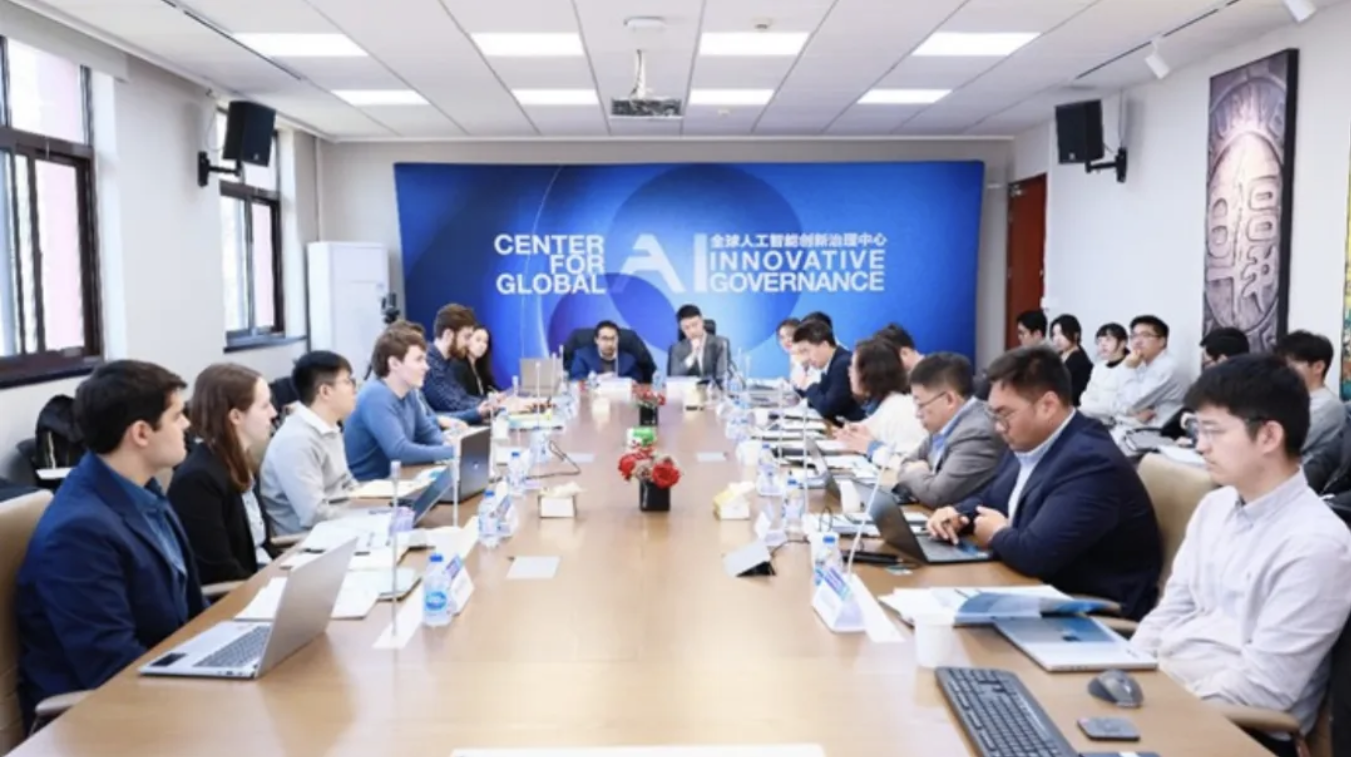
The opening session featured remarks by Professor Zhang Yi, Deputy Director of CGAIG and Executive Dean of FDDI; Fynn Heide, Executive Director of SAIF; and Professor Lu Chuanying, Associate Dean of the School of Political Science and International Relations at Tongji University. On behalf of CGAIG and FDDI, Professor Zhang welcomed Heide and his delegation before giving a brief overview of the two institutions’ research. Heide followed with an outline of SAIF’s research priorities and ongoing work, expressing his expectation for deeper exchanges and cooperation with Chinese experts and scholars. Professor Lu then provided a brief analysis of the current international landscape of AI governance, with particular emphasis on the necessity and urgency of further promoting academic dialogue and cooperation between Chinese and international scholars.
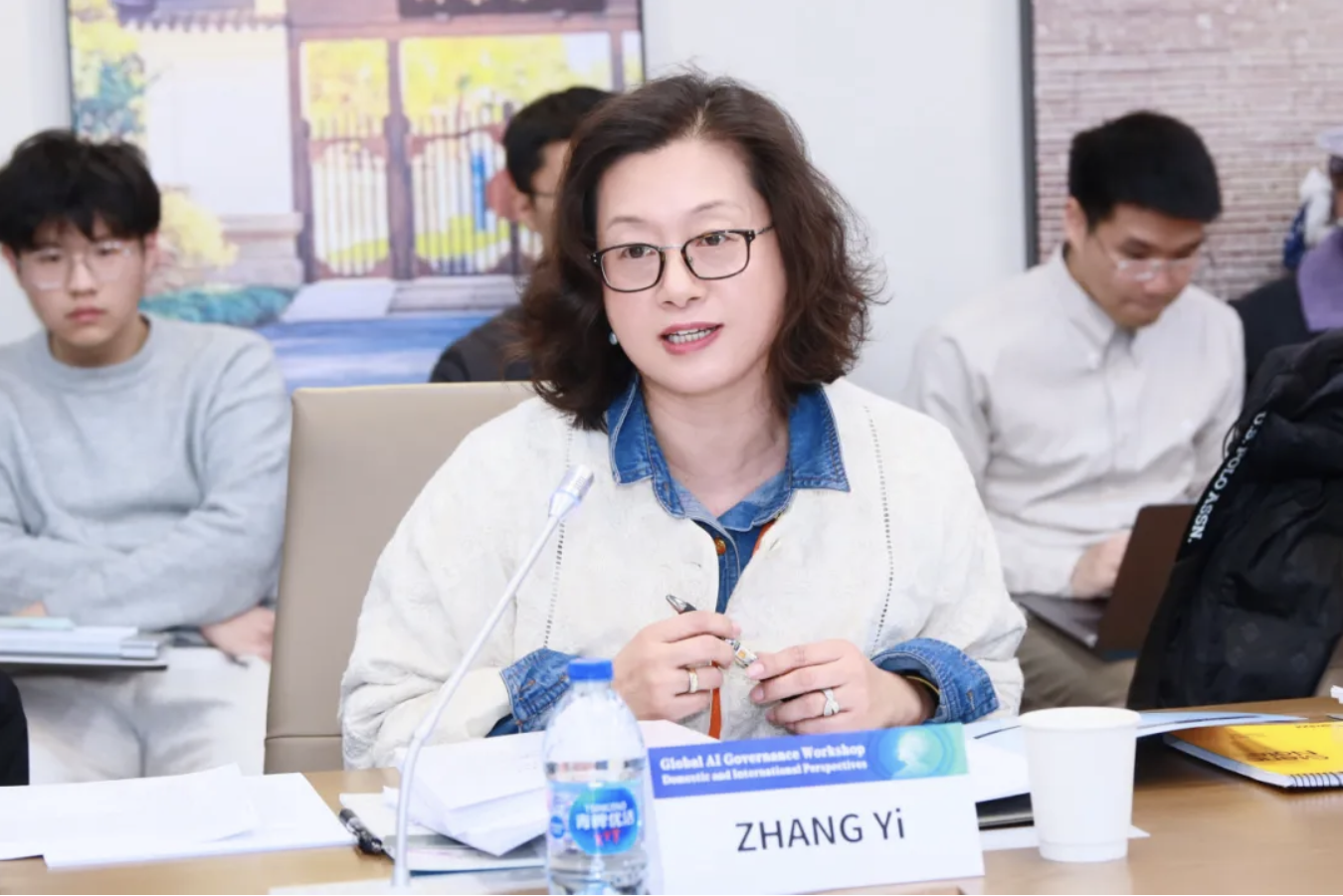
Professor Zhang Yi, Deputy Director of CGAIG and Executive Dean of FDDI
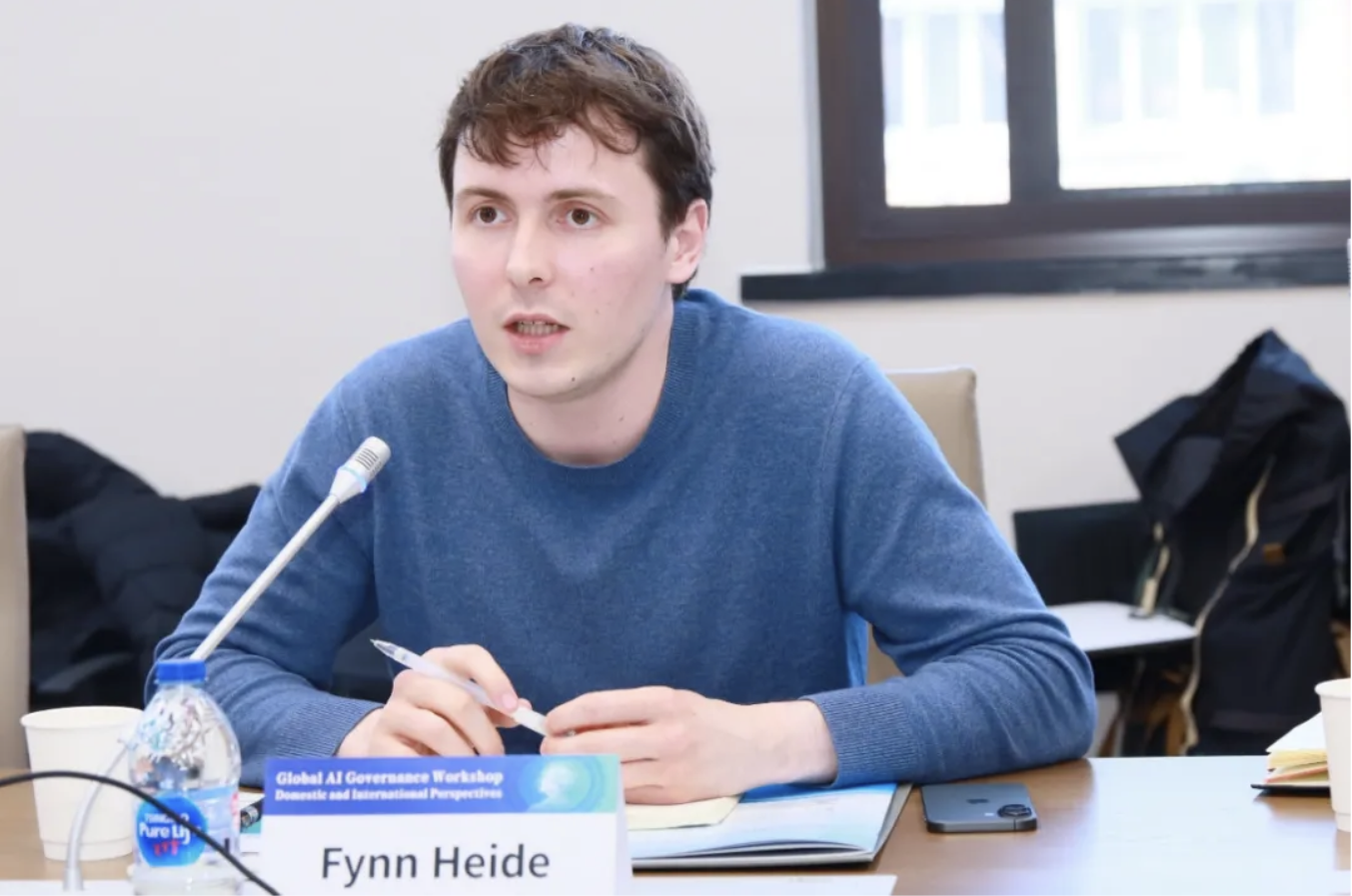
Fynn Heide, Executive Director of SAIF
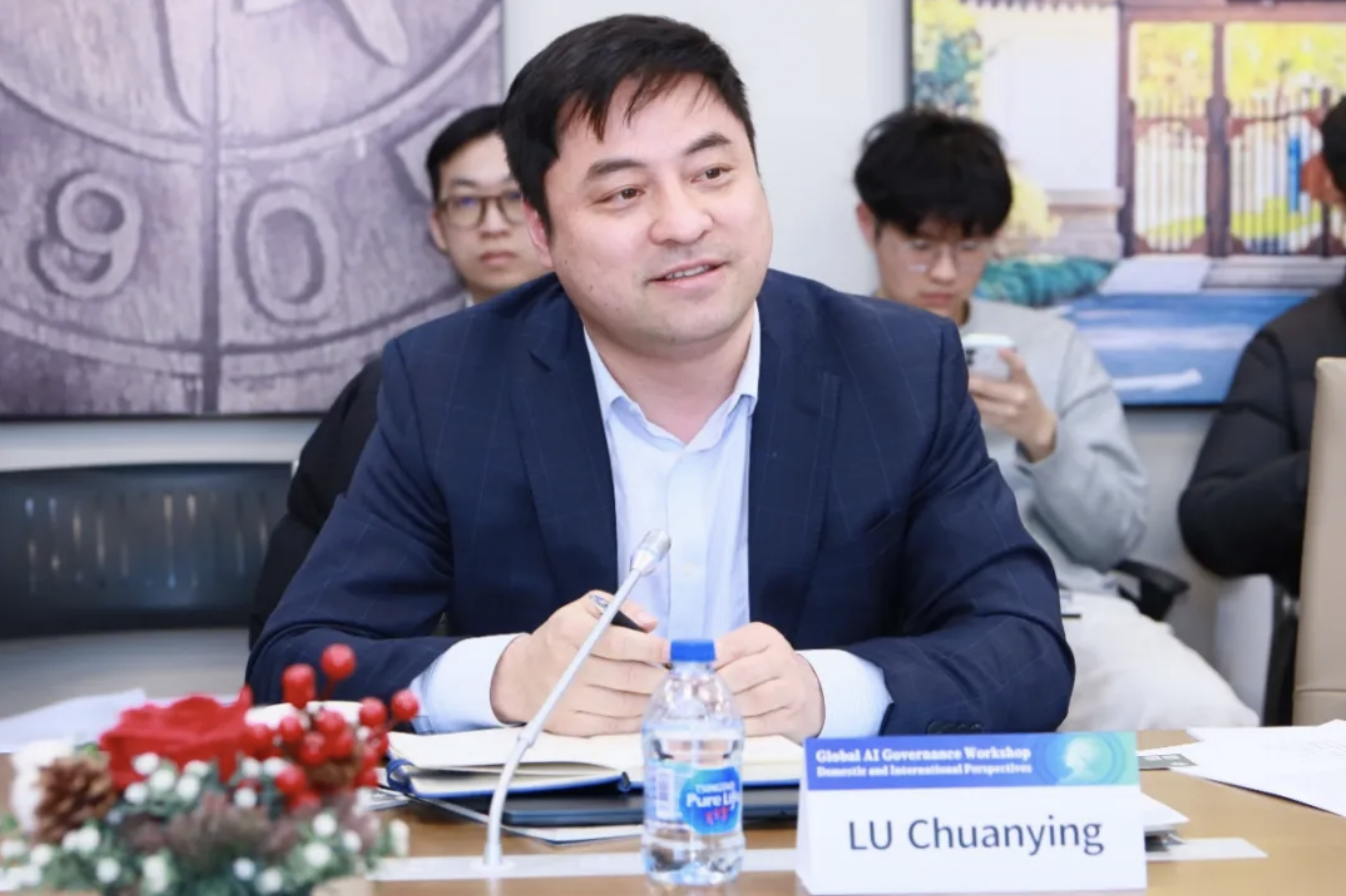
Professor Lu Chuanying, Associate Dean of the School of Political Science and International Relations at Tongji University
During the discussion, experts and scholars exchanged views on global AI governance from both domestic and international perspectives, centering on three topics: Domestic Regulation of Frontier AI, International AI Agreements and Coordination, and Collaboration Brainstorm and Next Steps.
01 Domestic Regulation of Frontier AI
Professor Lu Chuanying moderated the session. Emmie Hine, Research Fellow at SAIF, and Li Wenlong of Zhejiang University’s Guanghua Law School, a research professor in the university’s “Hundred Talents Program”, delivered guiding remarks on the topic from international and Chinese perspectives, respectively.
Hine examined the major issues currently shaping global frontier AI governance and offered policy recommendations for China’s regulation of frontier AI. Li then compared AI regulatory frameworks in China and the United States, drawing on cases involving AI-generated content authentication, AI companions, and AI training to explore common ground across jurisdictions and possible forms of international cooperation. Participants subsequently discussed convergences and divergences in national approaches to frontier AI regulation, explored areas of tractable alignment, and identified key issues requiring further study.
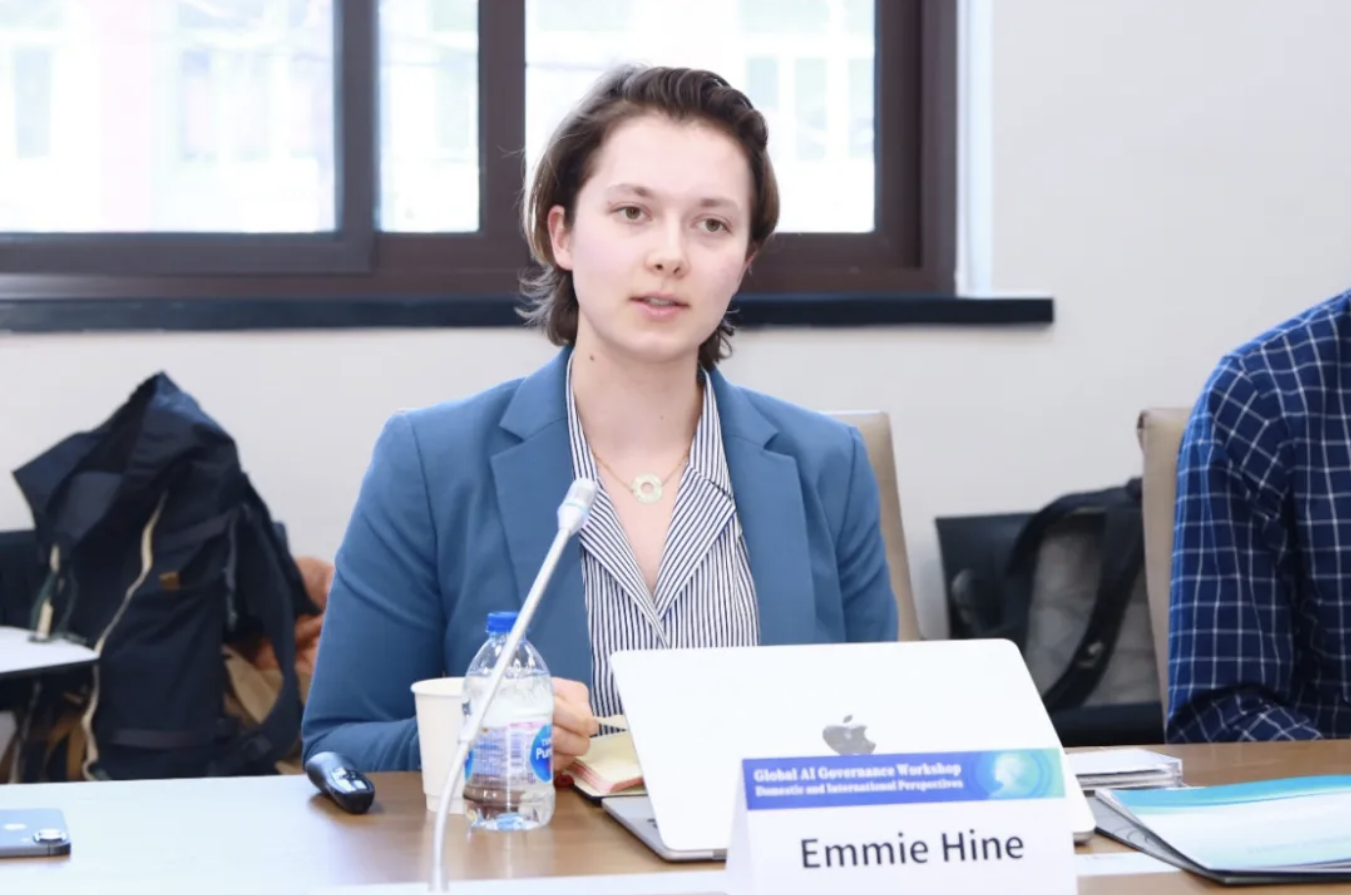
Emmie Hine, Research Fellow at SAIF
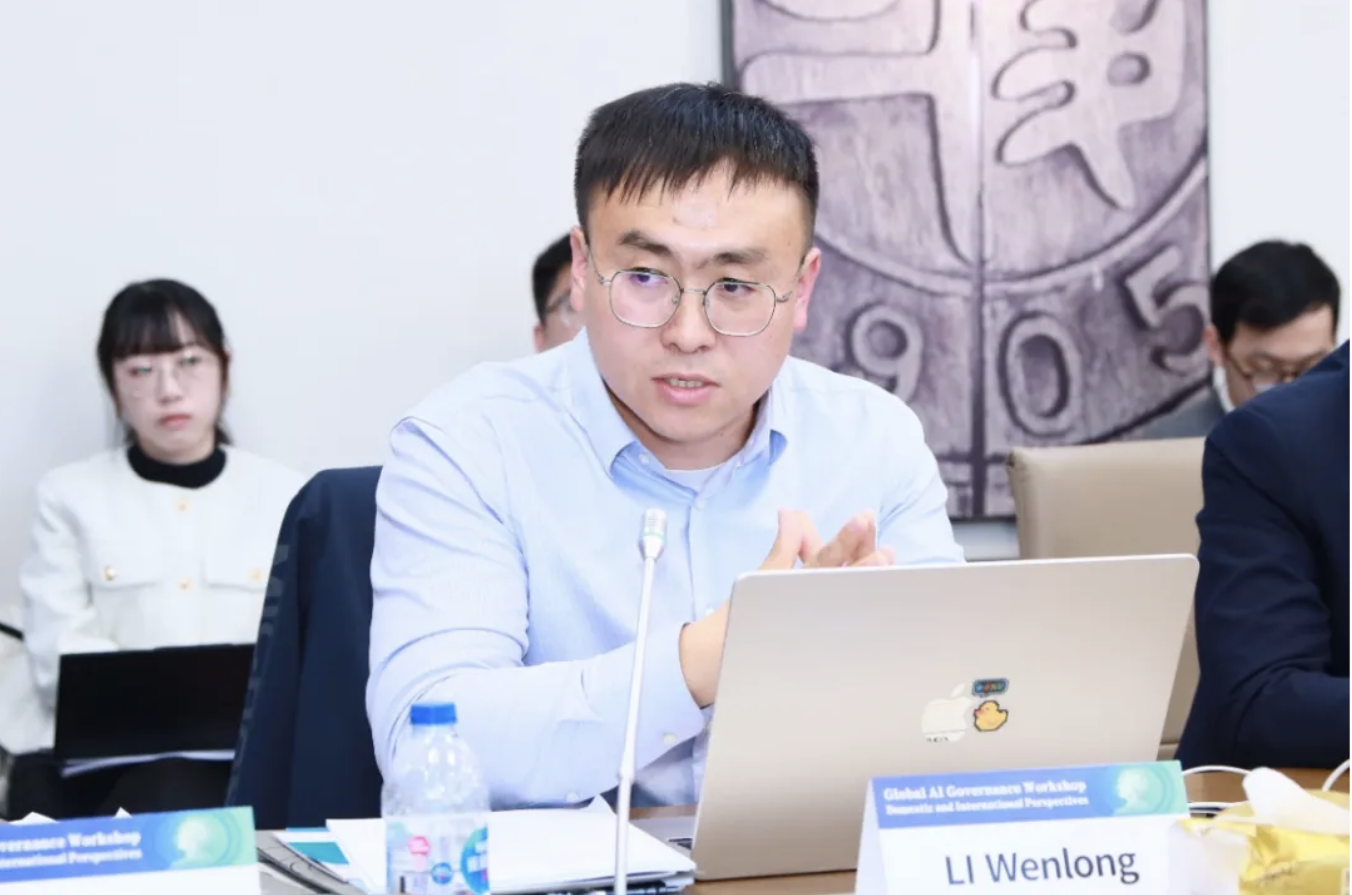
Li Wenlong, Research Professor in the “Hundred Talents Program” at Guanghua Law School, Zhejiang University
02 International AI Agreements and Coordination
The session was moderated by Saad Siddiqui, Senior AI Policy Researcher at SAIF. Guiding remarks on international AI governance were delivered by Megan Cansfield, Ben Norman, and Sabrina Shih, Visiting Researchers at SAIF; Professor Shen Yi, Director of the International Research Institute of Global Cyberspace Governance at Fudan University; and Li Hui, Research Fellow and Director of the Research Department of Science, Technology and Society at SISS.
Megan Cansfield and Ben Norman set out the key elements and taxonomy of international AI agreements, arguing that governance mechanisms should be tailored to different categories of AI risk. Sabrina Shih focused on frontier AI verification between China and the United States, and presented three verification paradigms—oversight-based, proof-based, and infrastructure-based—along with corresponding policy recommendations. Professor Shen Yi examined China’s AI governance strategy and practice in domestic and global contexts, and shared the country’s achievements and contributions in recent years. Drawing on global expert perspectives from 2019, 2020, and 2025, Li Hui analyzed realistic pathways toward building broader consensus on AI governance.
This was followed by extensive discussions on forms of international coordination that may be feasible for both China and its international counterparts, the major obstacles standing in the way of further progress, and diplomatic opportunities and multilateral forums in 2026 that may create more space for cooperation. Gao Qiqi, Research Fellow at CGAIG and Professor at Fudan University’s School of International Relations and Public Affairs, expressed concern over the potential risks posed by artificial general intelligence (AGI) and stressed the urgent need for global AI governance, calling on all countries to treat the issue with the seriousness it deserves.
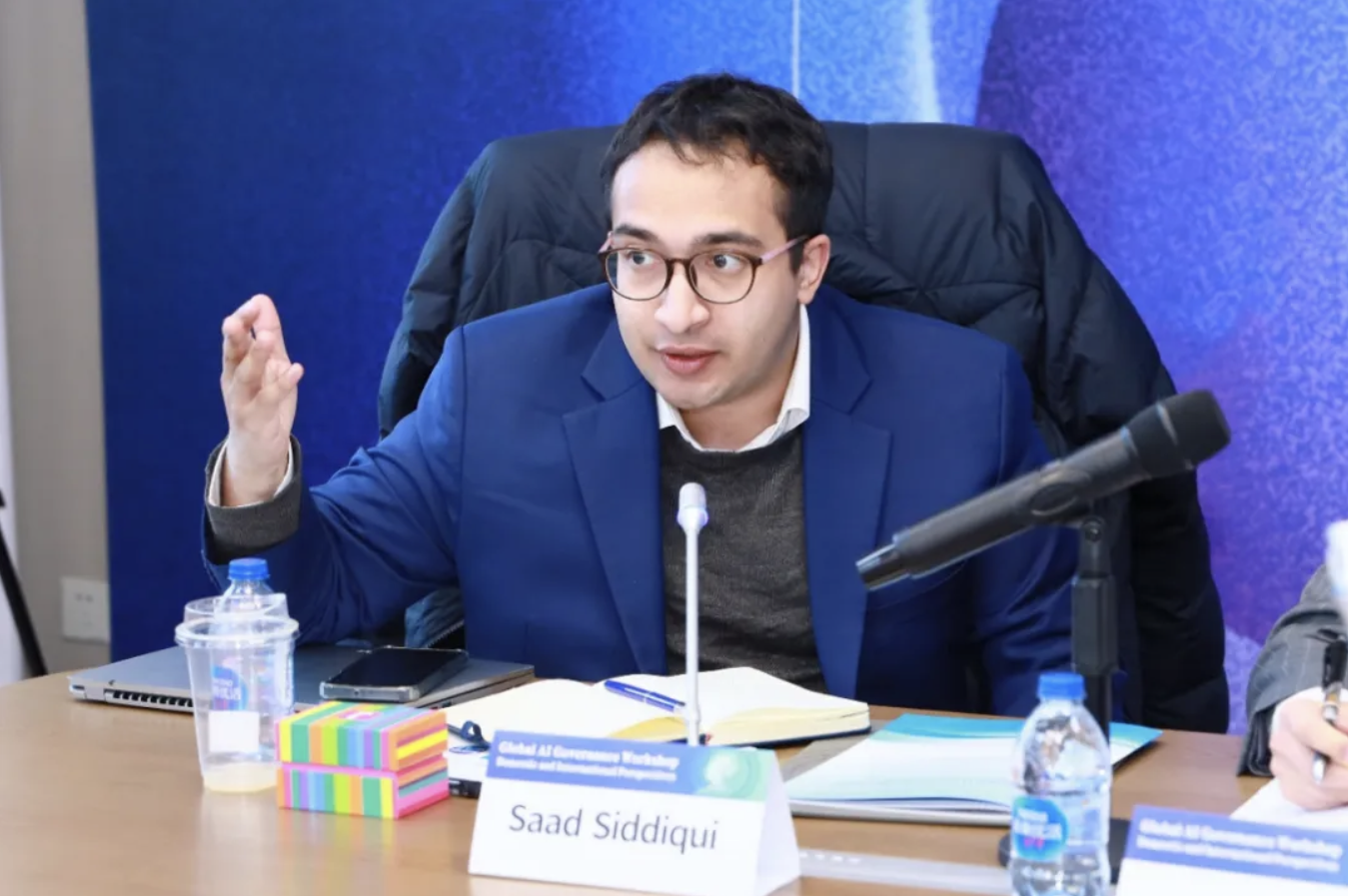
Saad Siddiqui, Senior AI Policy Researcher at SAIF
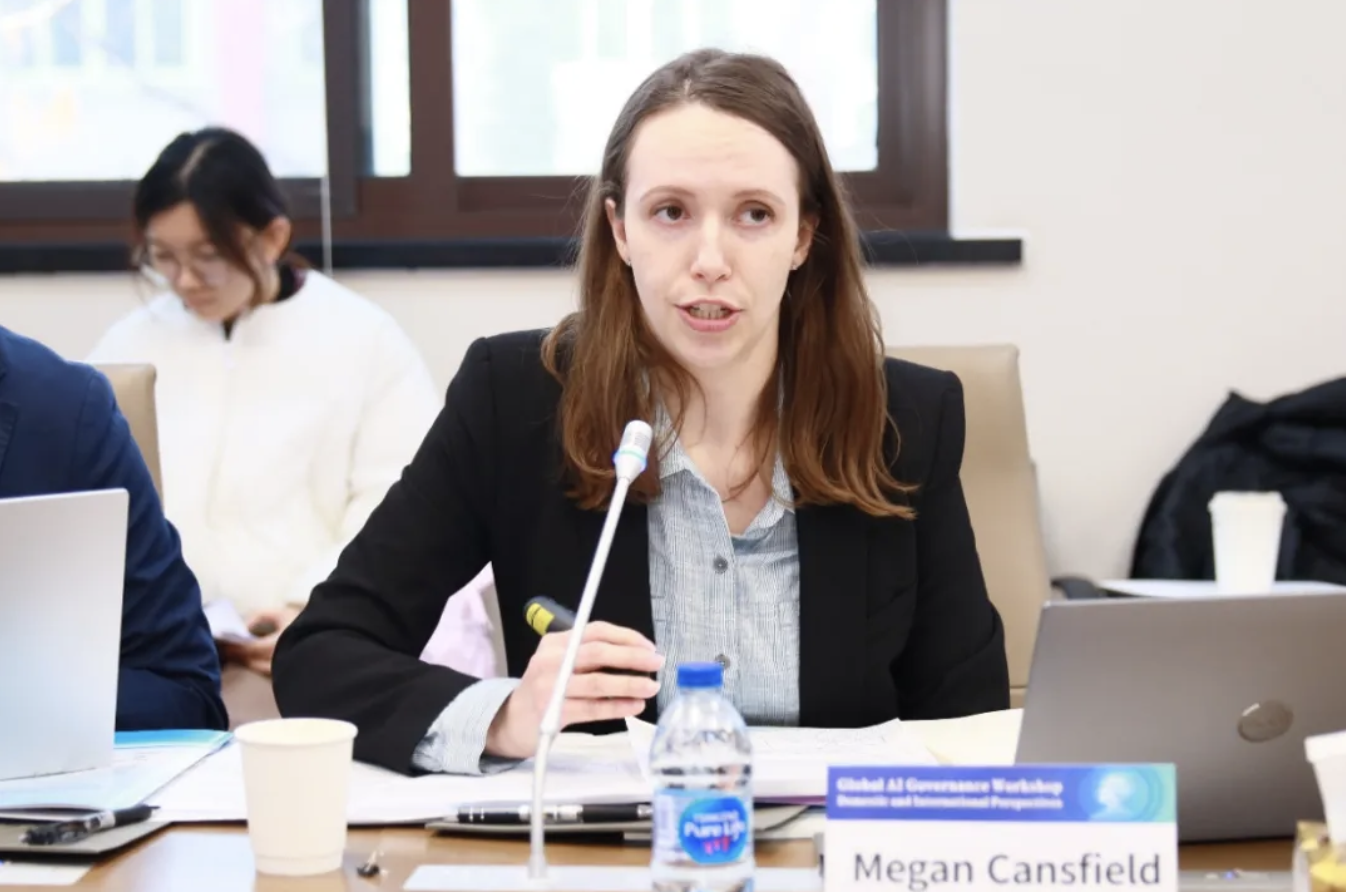
Megan Cansfield, Visiting Researchers at SAIF
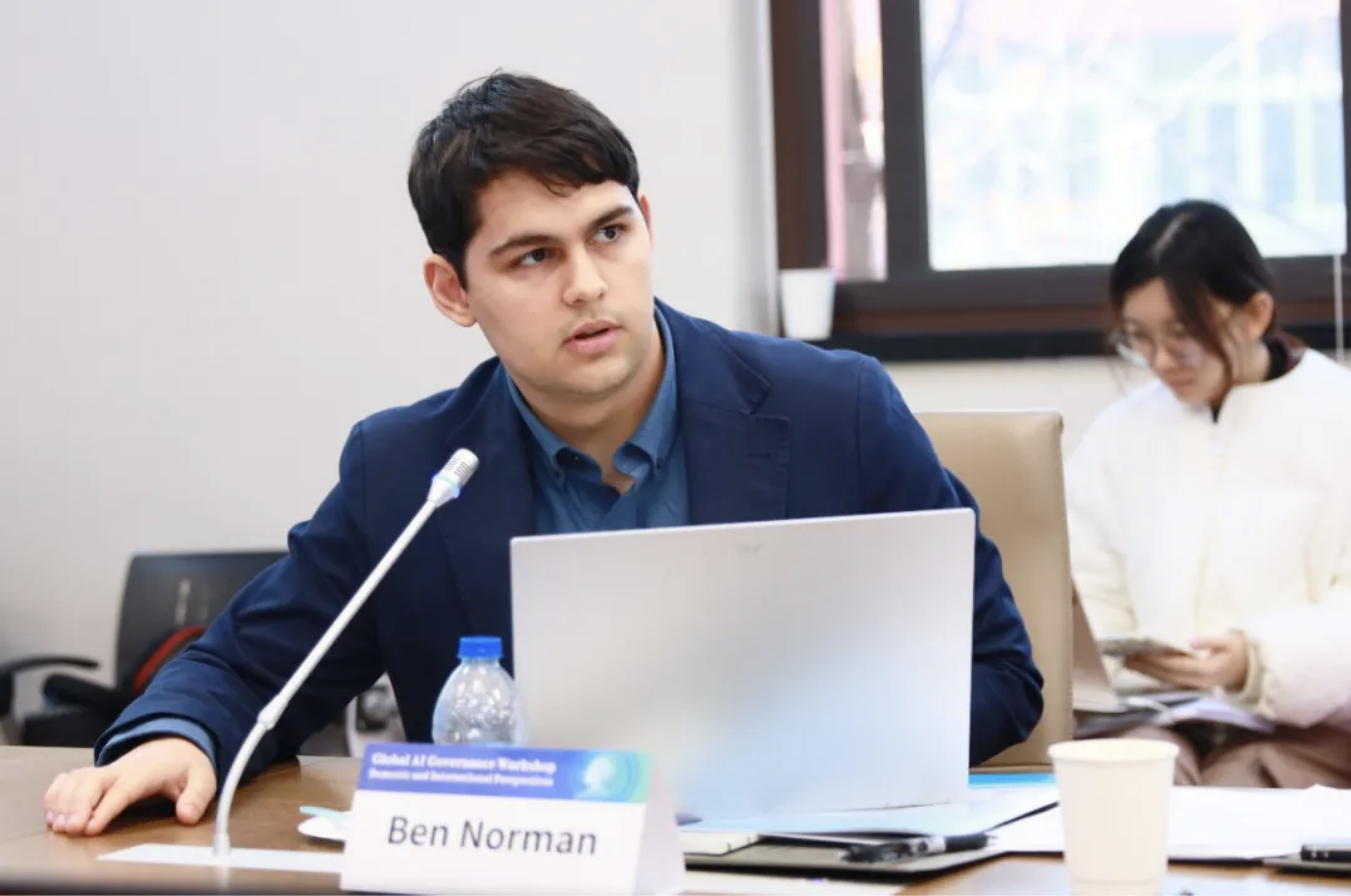
Ben Norman, Visiting Researchers at SAIF
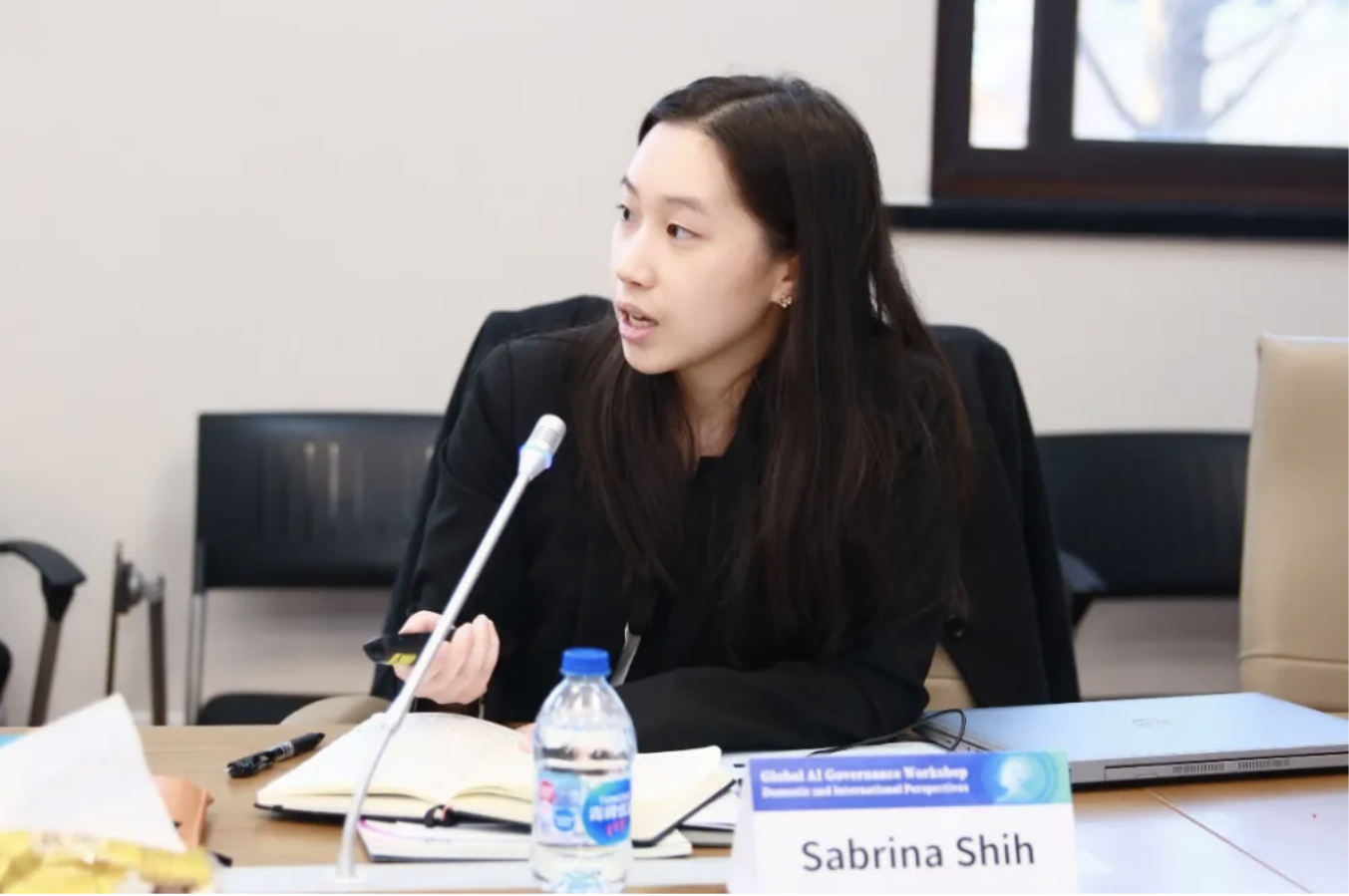
Sabrina Shih, Visiting Researchers at SAIF
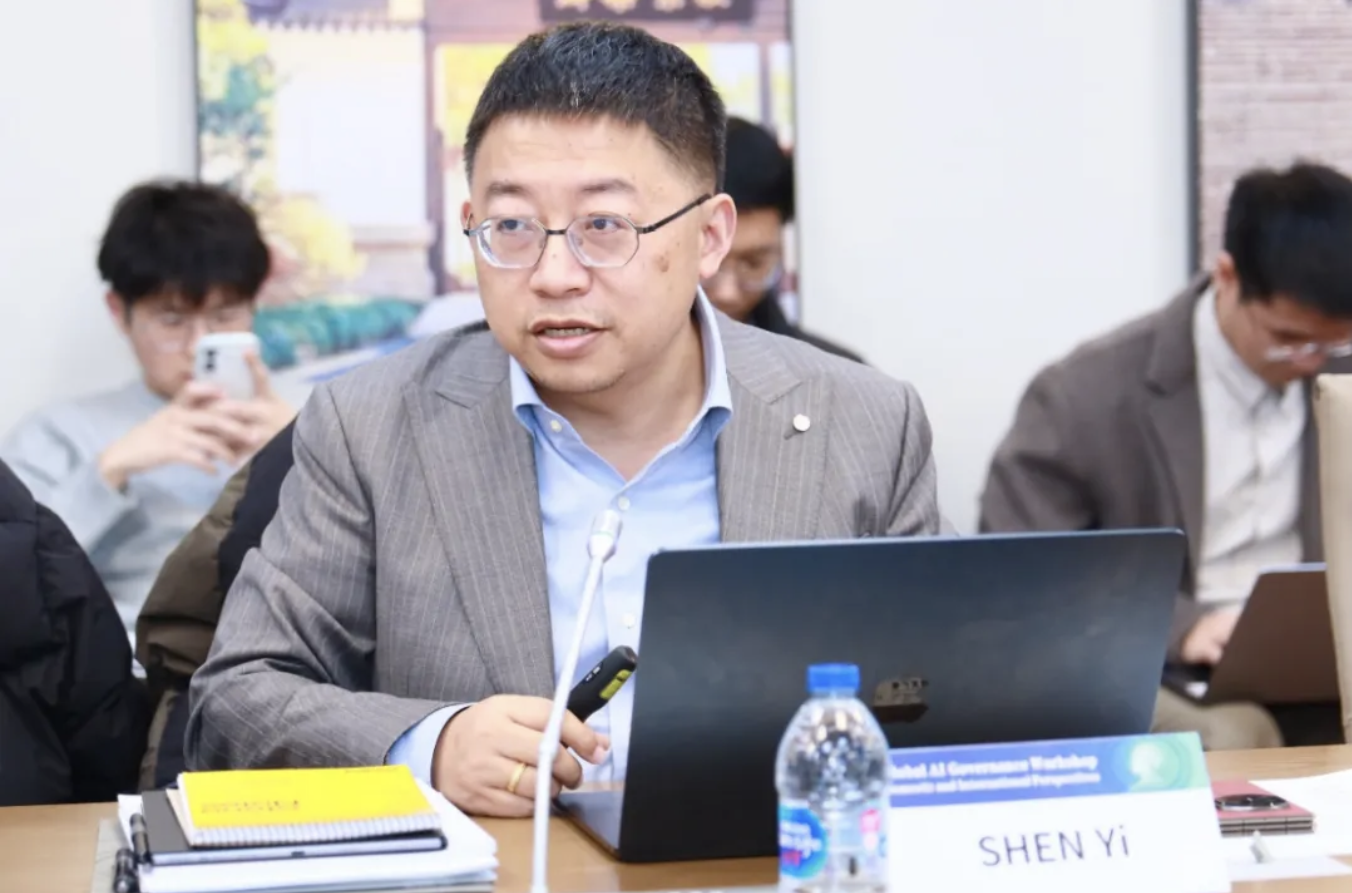
Professor Shen Yi, Director of the International Research Institute of Global Cyberspace Governance at Fudan University
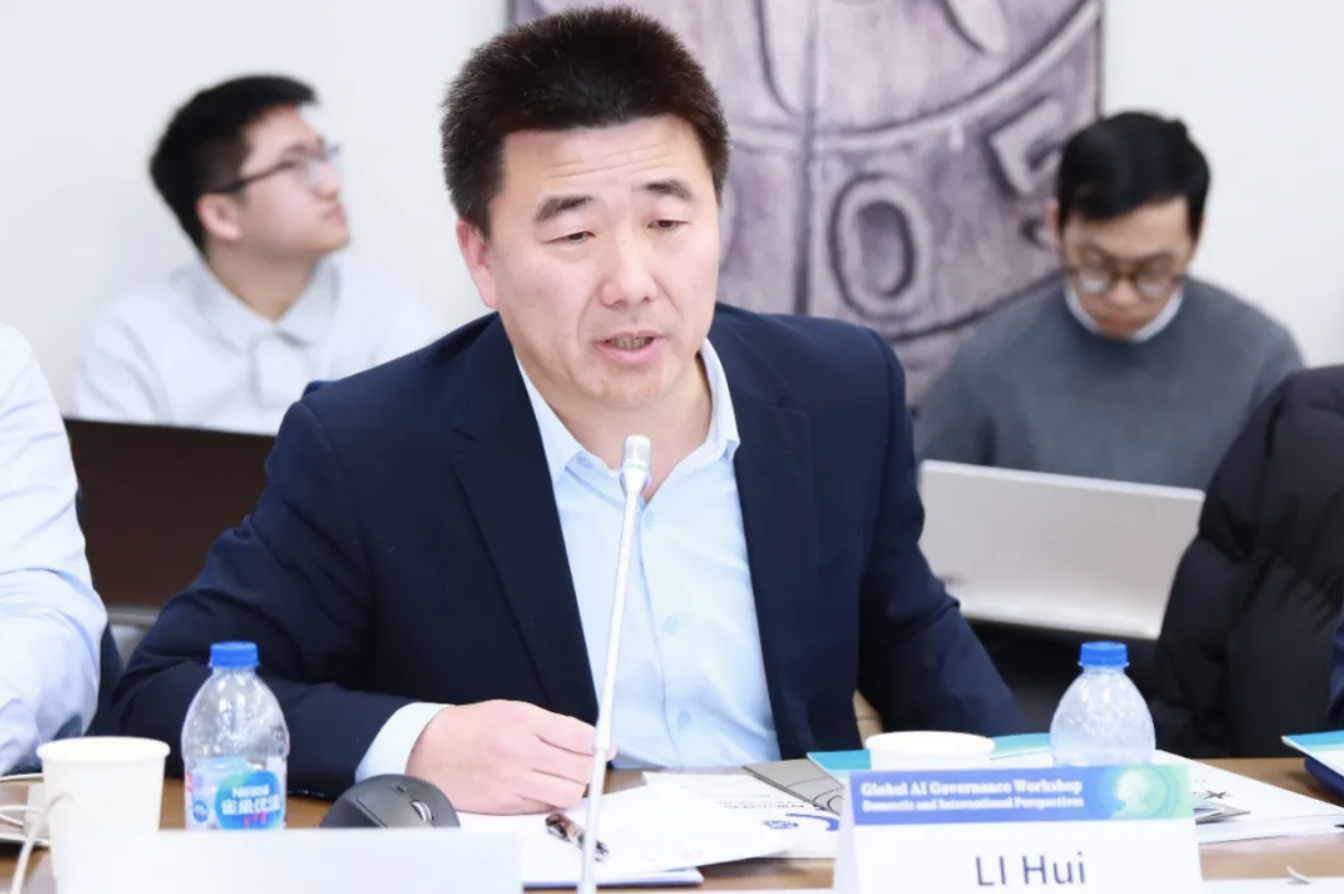
Li Hui, Research Fellow and Director of the Research Department of Science, Technology and Society at SISS
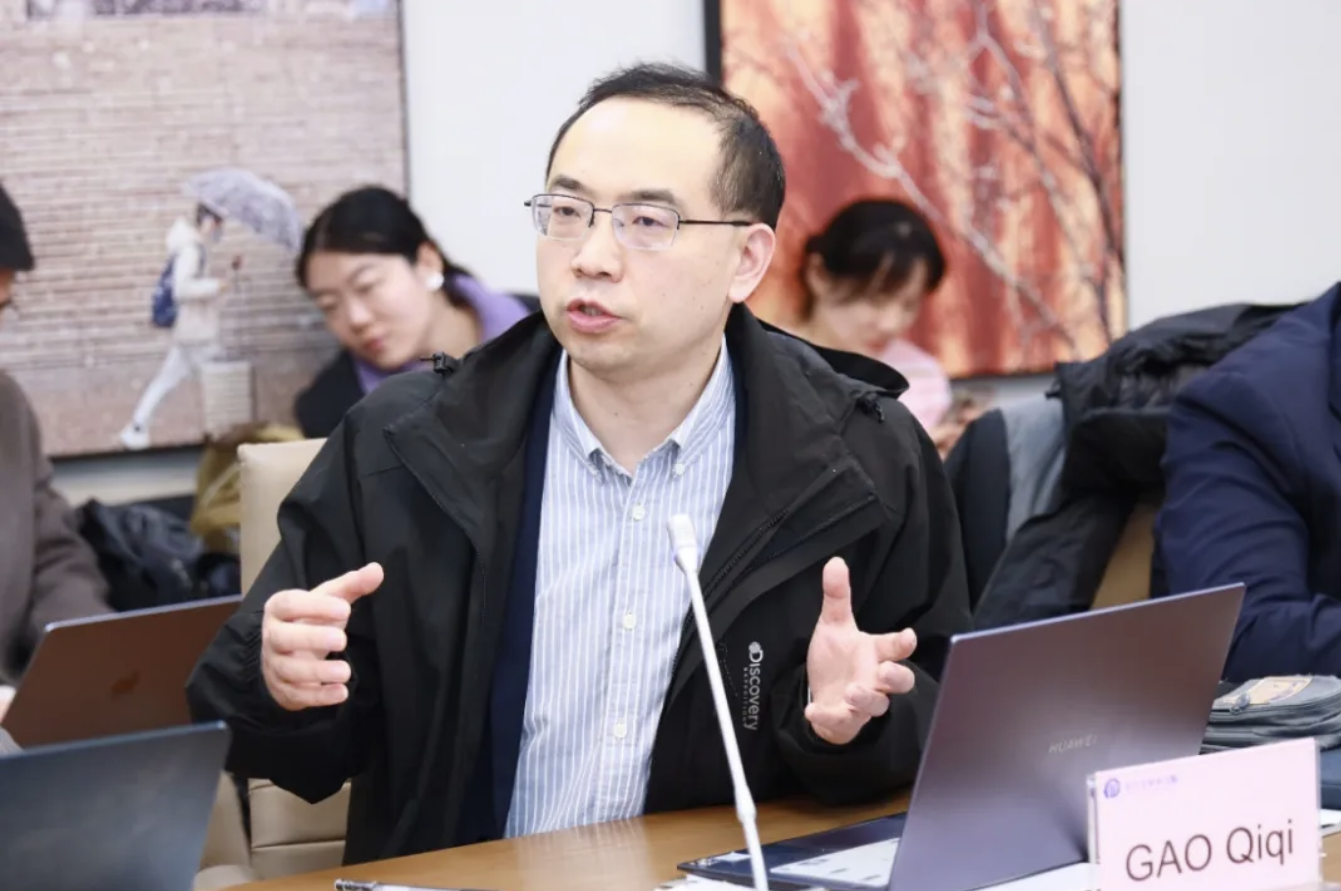
Gao Qiqi, Research Fellow at CGAIG and Professor at Fudan University’s School of International Relations and Public Affairs
03 Collaboration Brainstorm and Next Steps
Moderated by Yao Xu, Secretary-General of CGAIG and Associate Professor at FDDI, this last session took the form of an open discussion, during which participants explored concrete directions for future collaboration and reached preliminary consensus on follow-up actions. In the Q&A session, experts, scholars, and students in attendance actively joined the conversation and engaged in substantive exchanges on issues including global AI governance.
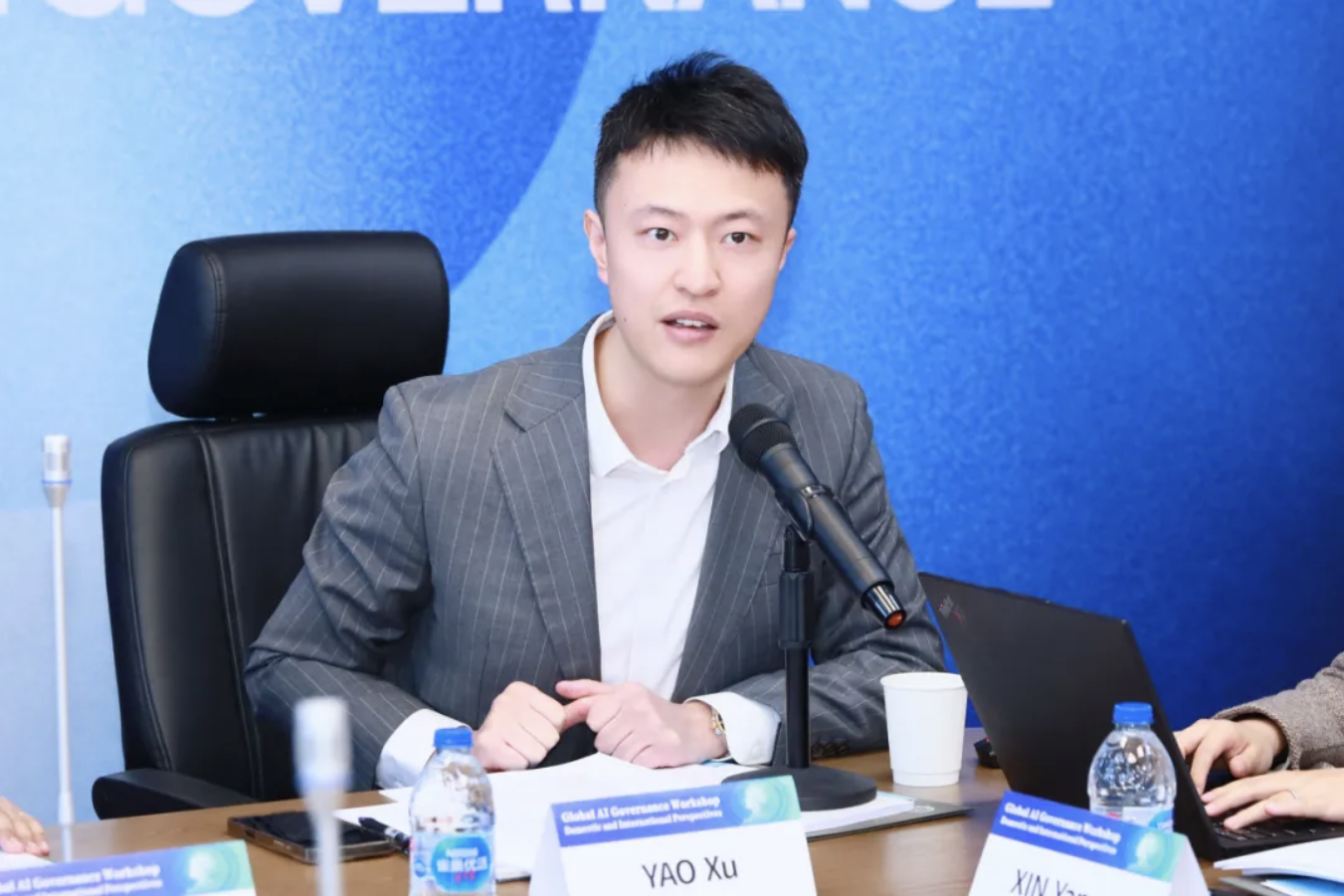
Yao Xu, Secretary-General of CGAIG and Associate Professor at FDDI
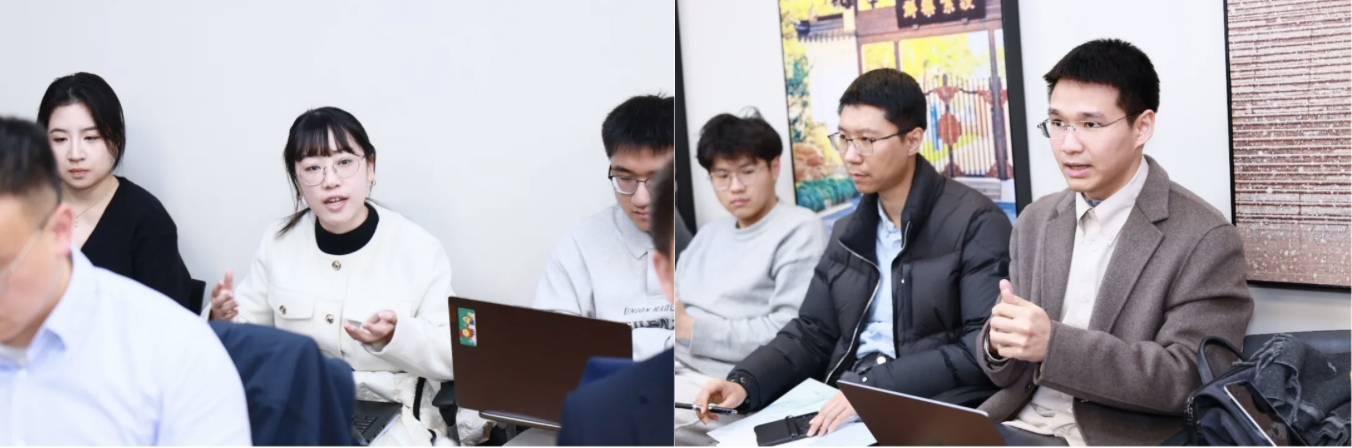
Interactive discussion during the Q&A session
Also in attendance were Edward Kembery, Research Fellow at SAIF; Clement Neo, Founder of Evaluations Startup (Stealth); Hong Geng, Deputy Director of the China Institute for Cyberspace Strategy at Fudan University; Wang Tianchan, Assistant Professor at the Institute for Public Policy and Innovation Studies, SIIS; and Xin Yanyan, Deputy Secretary-General of CGAIG and Assistant Research Fellow at FDDI. All took an active part in discussions across the sessions.
Overall, the workshop featured candid and pragmatic discussions on frontier AI governance from both domestic and international perspectives. Bringing together Chinese and international expertise in AI governance, it helped lay the groundwork for deeper mutual understanding and cooperation among scholars, while also contributing valuable academic and policy consensus to the development of a global AI governance framework.
About the Safe AI Forum (SAIF)
SAIF is a nonprofit organization that brings together scientists, policymakers, and industry leaders from around the world, including Turing Award recipients Yoshua Bengio and Professor Andrew Chi-Chih Yao, Academician of the Chinese Academy of Sciences and Dean of College of AI at Tsinghua University. Through the International Dialogues on AI Safety (IDAIS), frontier research, and policy advisory, SAIF is building a global collaborative network. It is dedicated to advancing responsible AI governance and, through international consensus and practical cooperation, systematically reducing extreme AI risks and safeguarding the shared future for mankind.
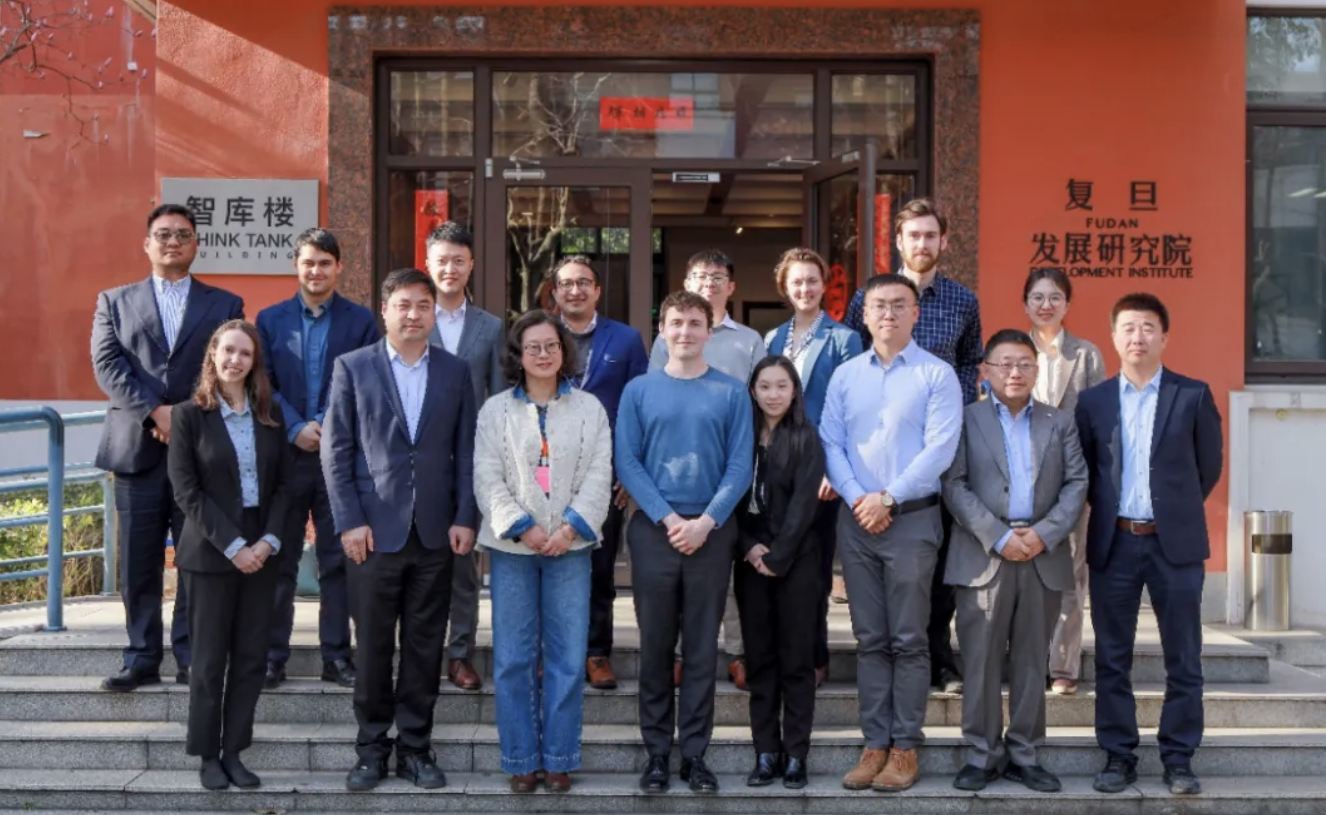
Participating experts and scholars