

Artificial intelligence is transforming the global industrial landscape, international political order, and the trajectory of human development at an unprecedented pace. While generating tremendous developmental dividends, it also poses significant challenges to global governance frameworks. How to bridge the AI divide and strengthen North-South dialogue has become an urgent issue in global AI governance.
On the afternoon of April 25, 2026, the Shanghai Forum 2026 sub-forum on “Global AI Governance: Bridging the AI Divide and Strengthening North-South Dialogue (II)” was held at Siyuan Hall, West Main Building of Guanghua Tower, Fudan University. The forum was hosted by the Center for Global AI Innovative Governance (CGAIG) and the Fudan Development Institute. The session was chaired by Yao Xu, Secretary-General of CGAIG and Associate Professor at the Fudan Development Institute, together with Jiang Tianjiao, Deputy Director of the BRICS Research Center of Fudan University and Associate Professor at the Fudan Development Institute. Dozens of experts and scholars from leading global universities and think tanks gathered to engage in in-depth discussions on the current state, challenges, practical experiences, and North-South cooperation in global AI governance, exploring new paradigms for AI governance collaboration.
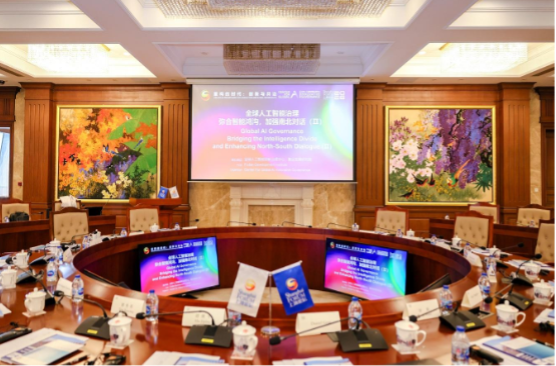
Shanghai Forum 2026 Sub-Forum on “Global AI Governance: Bridging the AI Divide and Strengthening North-South Dialogue (II)” Held at Siyuan Hall, Fudan University
Professor Hu Jiping, Dean of the School of International Relations and Public Affairs, delivered the opening remarks. He briefly analyzed how artificial intelligence, while promoting global economic and social development, continues to widen the AI divide between the Global North and the Global South. He also introduced the School’s disciplinary development and research cooperation achievements in this field, expressing his hope that the participating experts would jointly explore solutions to improve global AI governance and contribute wisdom to building a community with a shared future for mankind. He concluded by wishing the forum great success.
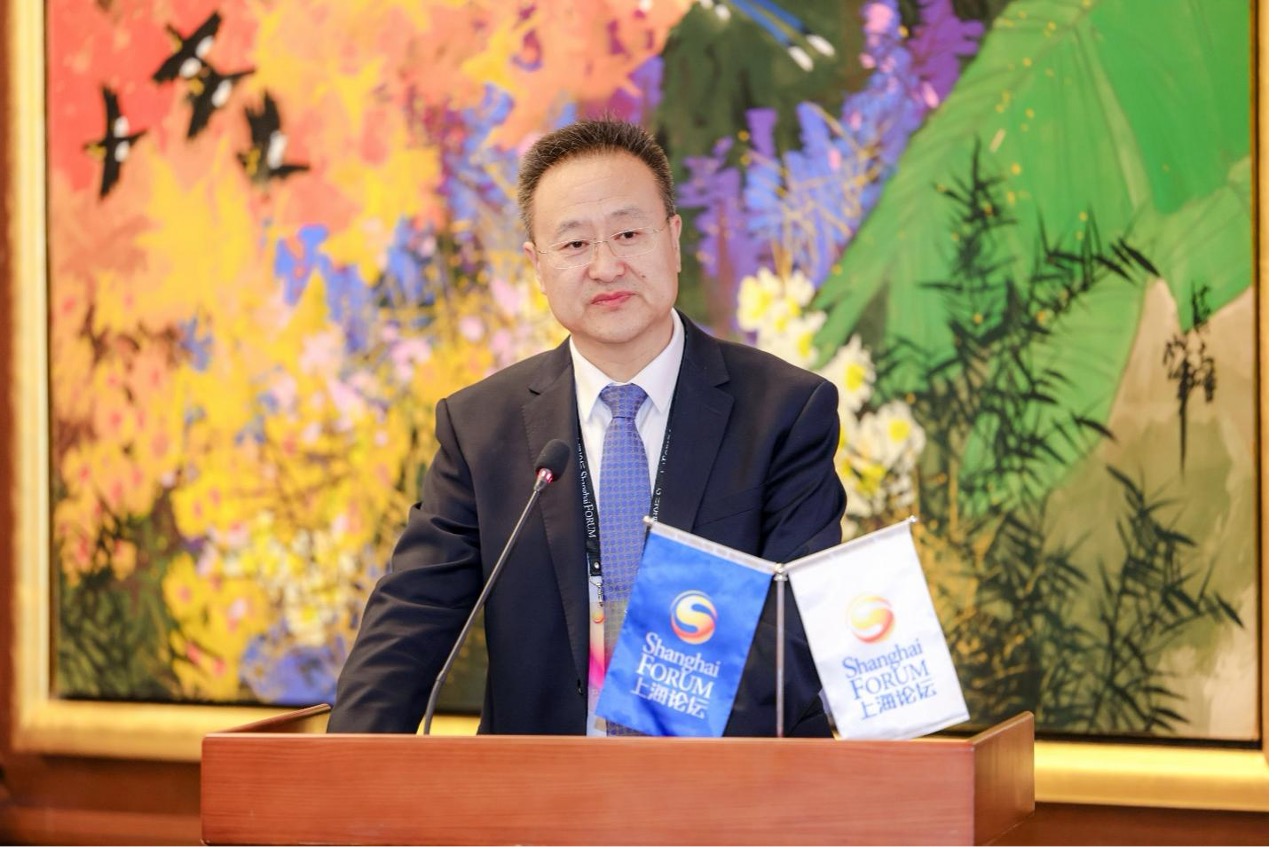
Professor Hu Jiping, Dean of the School of International Relations and Public Affairs, Delivers Opening Remarks
During the discussion sessions, participating experts and scholars delivered keynote speeches on two major themes: “The Impact of Global Geopolitics and Industrial Restructuring on AI Governance” and “Pathways for North-South Cooperation in Global AI Governance.” With cross-regional and multidimensional global perspectives, they jointly explored new pathways for AI governance development. During the forum, the report The Global South in the Global Governance Initiative was officially launched, contributing ideas and policy proposals for promoting fairer, more inclusive, and more sustainable global AI governance.
01 The Impact of Global Geopolitics and Industrial Restructuring on AI Governance
The first session, themed “The Impact of Global Geopolitics and Industrial Restructuring on AI Governance,” was moderated by Professor Tan Xiuying, Editor-in-Chief of International Security Studies.
Keynote speeches were delivered by Daniel Gros, Director of the Institute for European Policymaking at Bocconi University; Raul Salgado Espinoza, Professor of International Relations at the Latin American Faculty of Social Sciences (FLACSO); Feng Shuai, Deputy Director of the Institute for International Strategic and Security Studies at the Shanghai Institutes for International Studies (SIIS); Kim Yongjune, Honorary Professor of Business Administration at Sungkyunkwan University; and Mo Shengkai, Associate Professor of the Department of International Politics, School of International Relations and Public Affairs.

Professor Tan Xiuying, Editor-in-Chief of International Security Studies
Director Daniel Gros provided an in-depth analysis of the European Union’s dilemma of “leading in regulation while lagging in industry” in the AI sector. He pointed out that Europe lacks sufficient industrial foundations and computing power support, making it difficult for legislative processes to keep pace with rapid technological iteration. He advocated for more flexible and adaptive regulatory approaches in global AI governance.

Daniel Gros, Director of the Institute for European Policymaking, Bocconi University
Professor Raul Salgado Espinoza pointed out that AI governance reveals structural asymmetries between those who possess technology and those who do not, as well as between rule-makers and passive rule-takers. Comparing the three major models of the United States, China, and Europe, he noted that Latin America lacks autonomy in AI governance due to severe shortages in research capacity and investment. He emphasized that multilateral cooperation is the key pathway to addressing the region’s governance shortcomings.
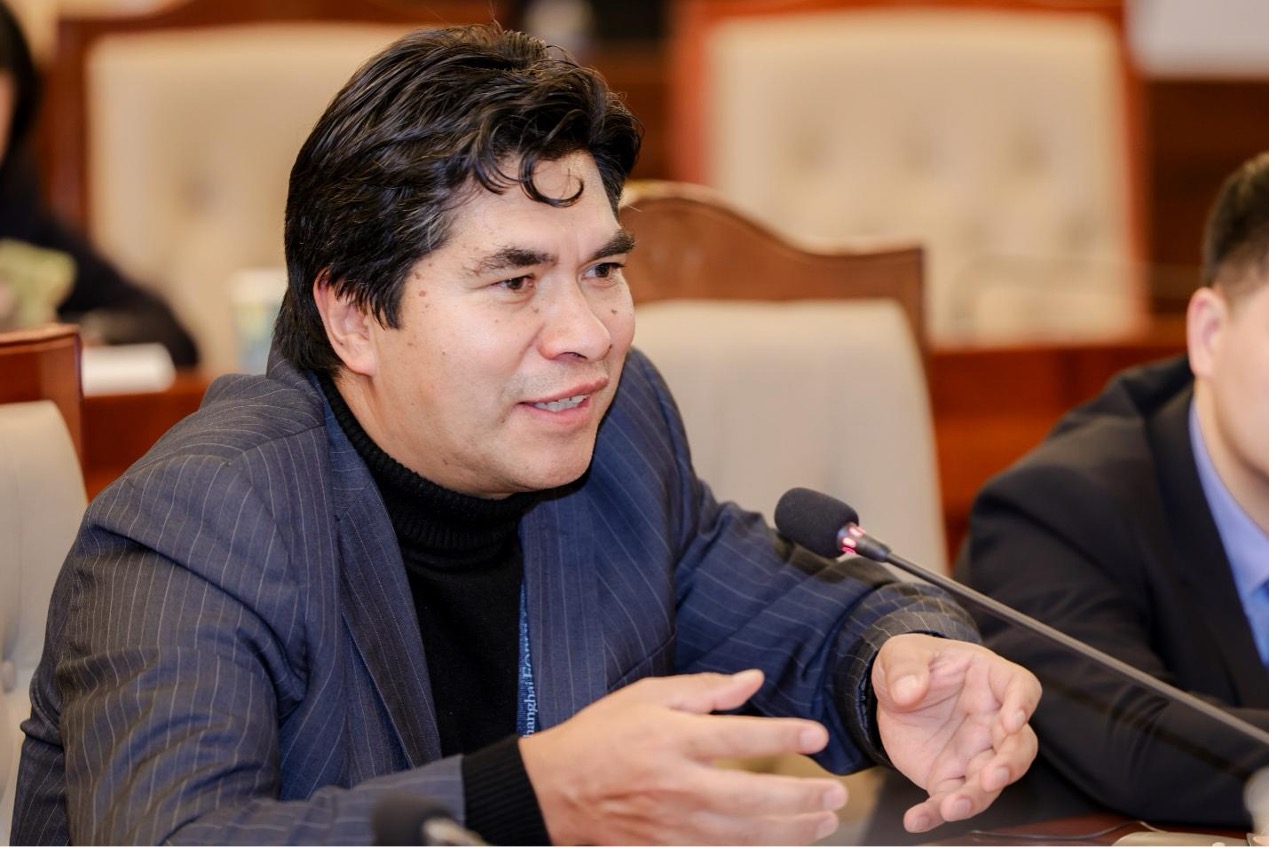
Raul Salgado Espinoza, Professor of International Relations, Latin American Faculty of Social Sciences (FLACSO)
Feng Shuai, Deputy Director, reviewed the iterative progress of global AI technology and industry over the past year. He noted that, in terms of governance architecture, no global consensus has yet been reached, and the world is currently witnessing three parallel governance trajectories. Although governance efforts remain steady, progress is slow and struggles to keep pace with technological advancement. He stressed that all countries need to strengthen participation and seek a balance between development and governance through both competition and practical engagement.
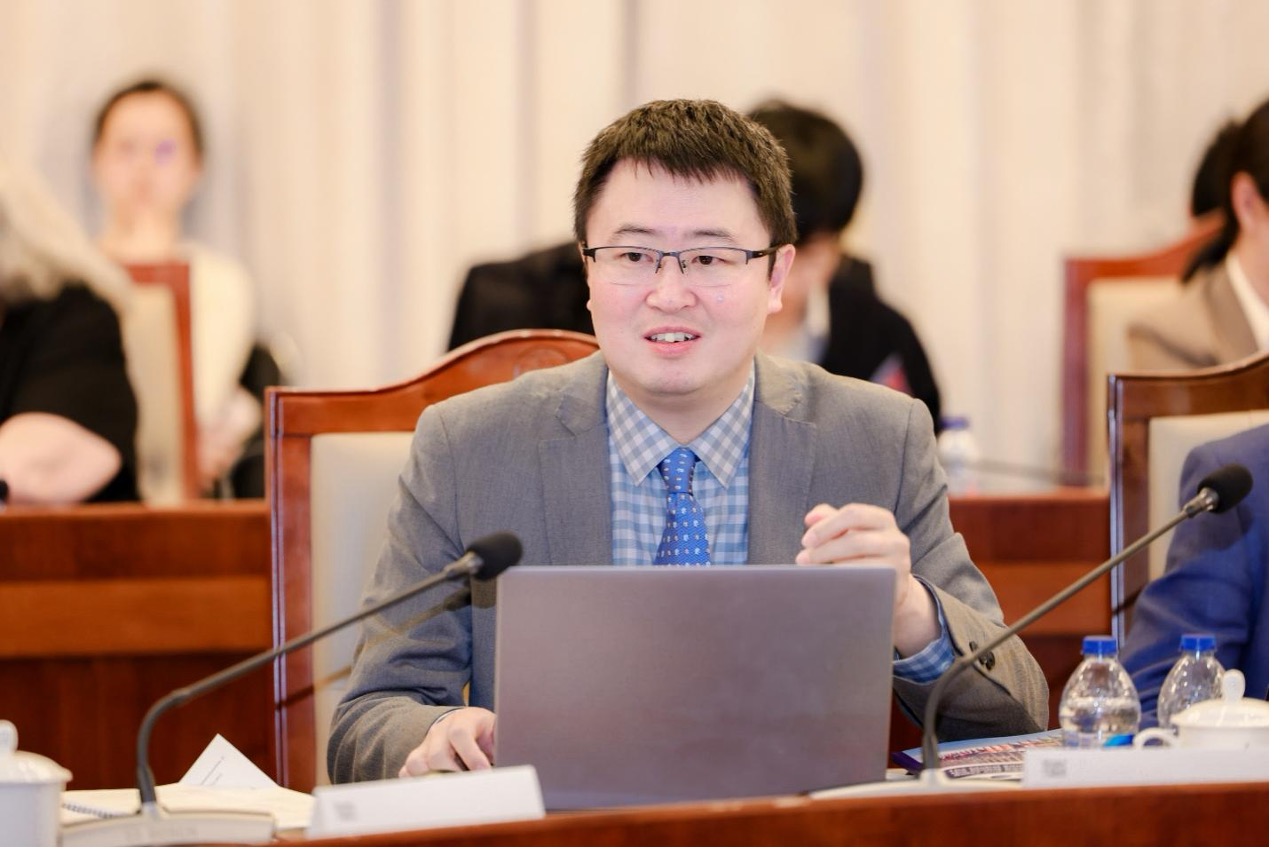
Feng Shuai, Deputy Director of the Institute for International Strategic and Security Studies, Shanghai Institutes for International Studies (SIIS)
Professor Kim Yongjune introduced South Korea’s distinctive national AI strategy: rather than striving to become the world’s number one or number two, Korea has clearly set its goal as becoming “the world’s number three.” He also shared South Korea’s cooperation model and practical experience in helping Global South countries such as Laos build AI systems and safeguard digital sovereignty, demonstrating how AI cooperation can create new engines of economic growth.
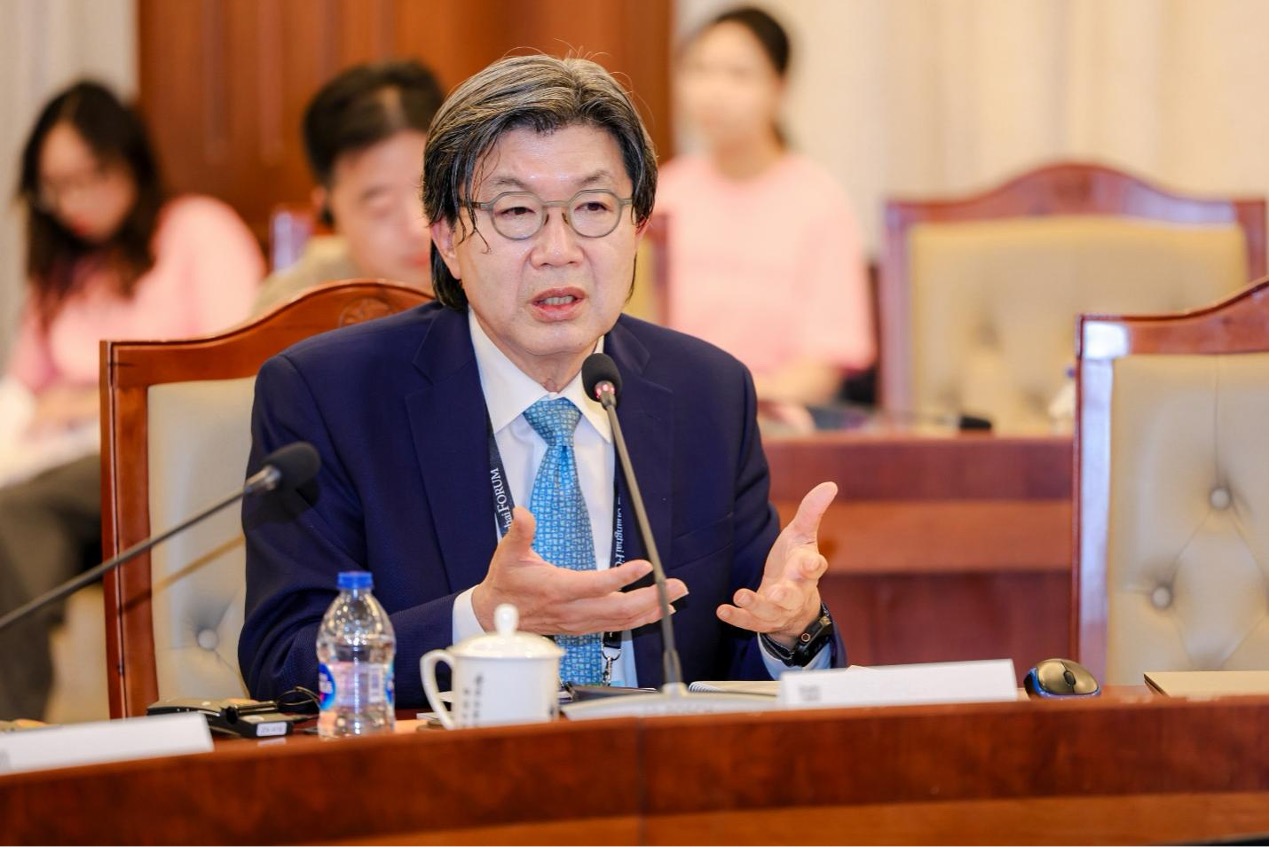
Kim Yongjune, Honorary Professor of Business Administration, Sungkyunkwan University
Associate Professor Mo Shengkai examined the profound global impacts and practical challenges brought by AI from the perspective of international politics, focusing on four dimensions: comprehensive national power competition, societal cognitive security, the transformation of modern warfare, and the order of global governance. He argued that as AI risks continue to rise, higher demands are also being placed on global governance, and that value alignment in AI is crucial to maintaining global order and stability.
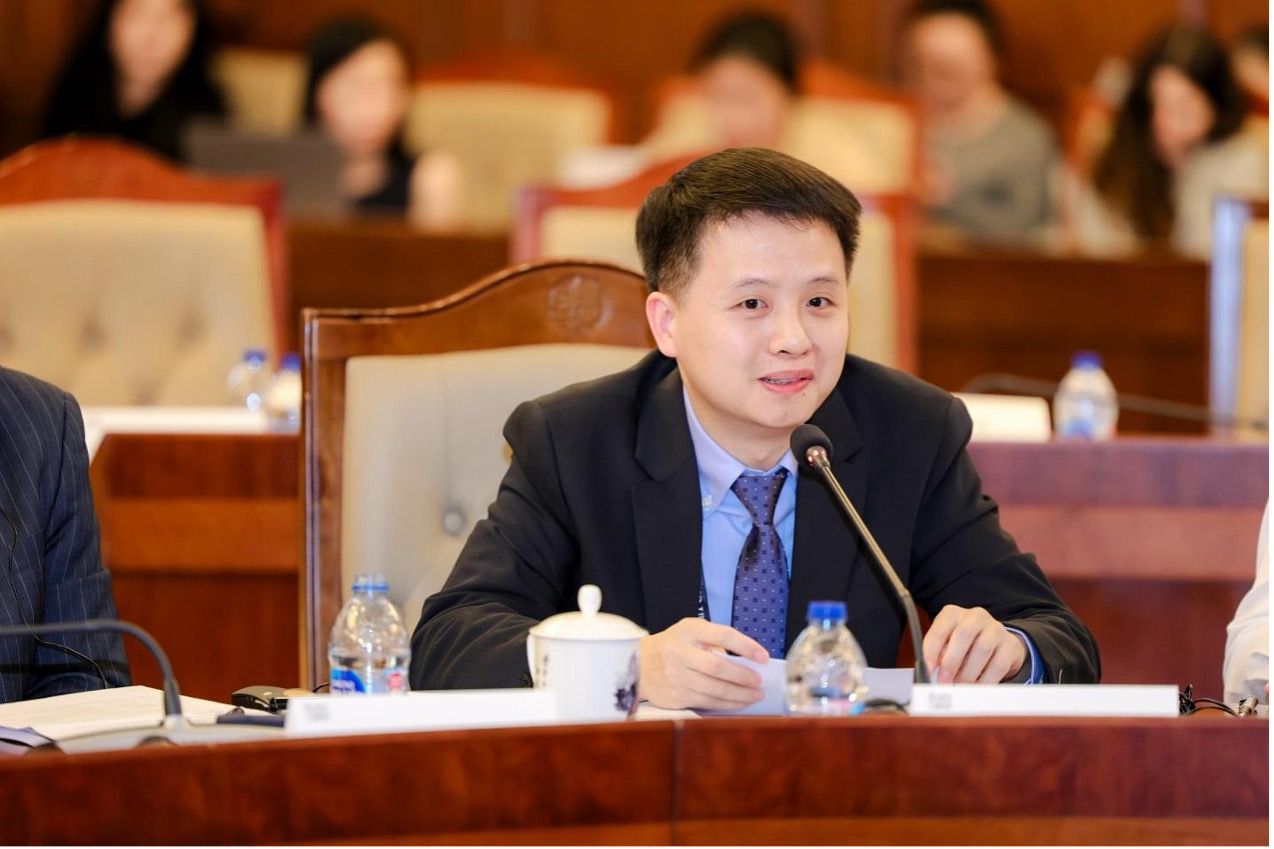
Associate Professor Mo Shengkai, Department of International Politics, School of International Relations and Public Affairs
02 Pathways for North-South Cooperation in Global AI Governance
The second session, themed “Pathways for North-South Cooperation in Global AI Governance,” was moderated by Yao Xu, Secretary-General of CGAIG and Associate Professor at the Fudan Development Institute.
Keynote speeches were delivered by Maxime Stauffer, Co-Founder and CEO of the Simon Institute for Longterm Governance; Professor Zhao Minghao, Deputy Director of the Center for American Studies at Fudan University; Fahmi Islami, Chief Advisor of Mandala Consulting; Celina Lee, CEO of Zindi; and Anika Altaf, Executive Director of INCLUDE.
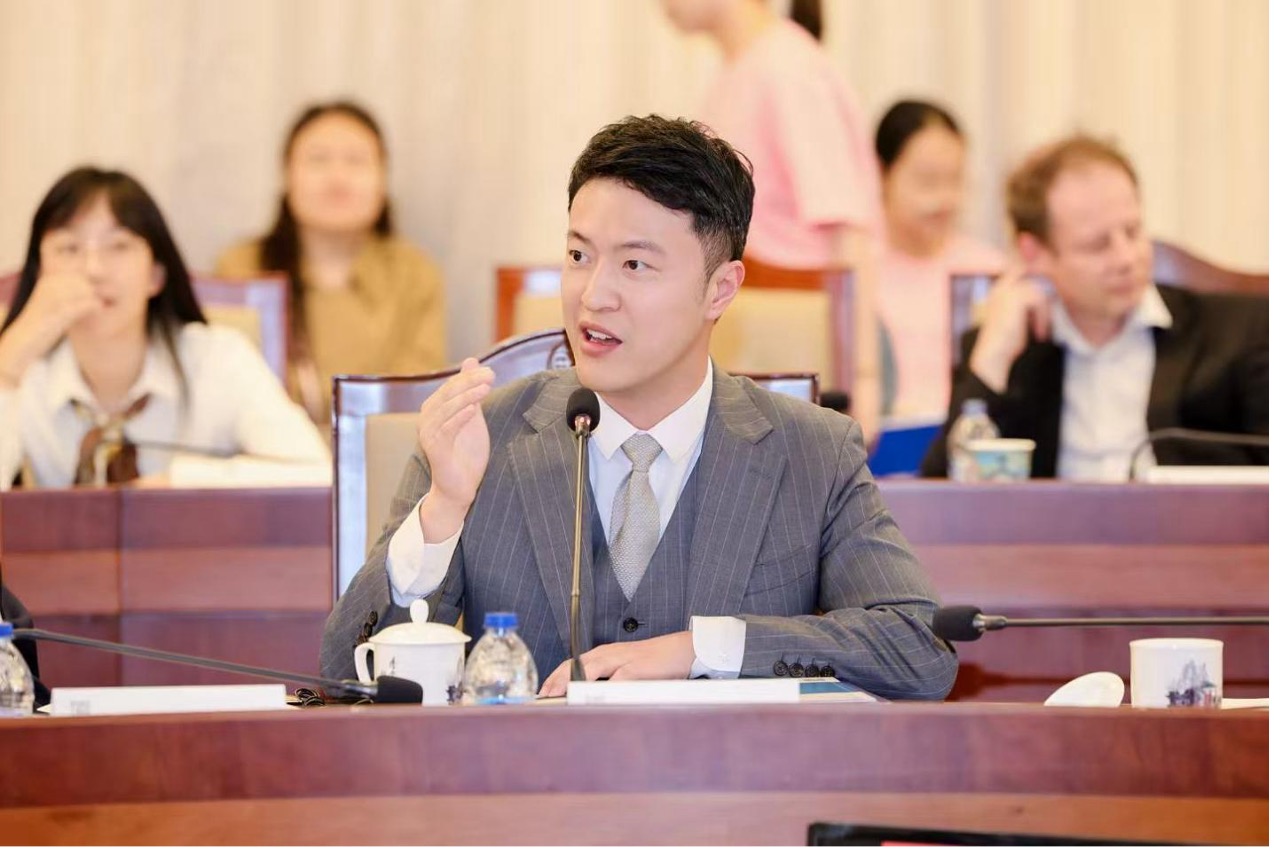
Yao Xu, Secretary-General of CGAIG and Associate Professor at the Fudan Development Institute
Maxime Stauffer approached the issue from two dimensions—AI capability advancement and large-scale deployment. He emphasized that the key to effective governance lies in clearly distinguishing between “governance of AI development” and “governance of AI deployment.” In essence, governance is about reshaping the distribution of technological risks and benefits. He pointed out that the construction of current governance systems significantly lags behind technological progress, while safety safeguards remain disproportionate to AI capabilities. He stressed that China-U.S. cooperation and global safety deployment are crucial for building an effective AI governance framework.
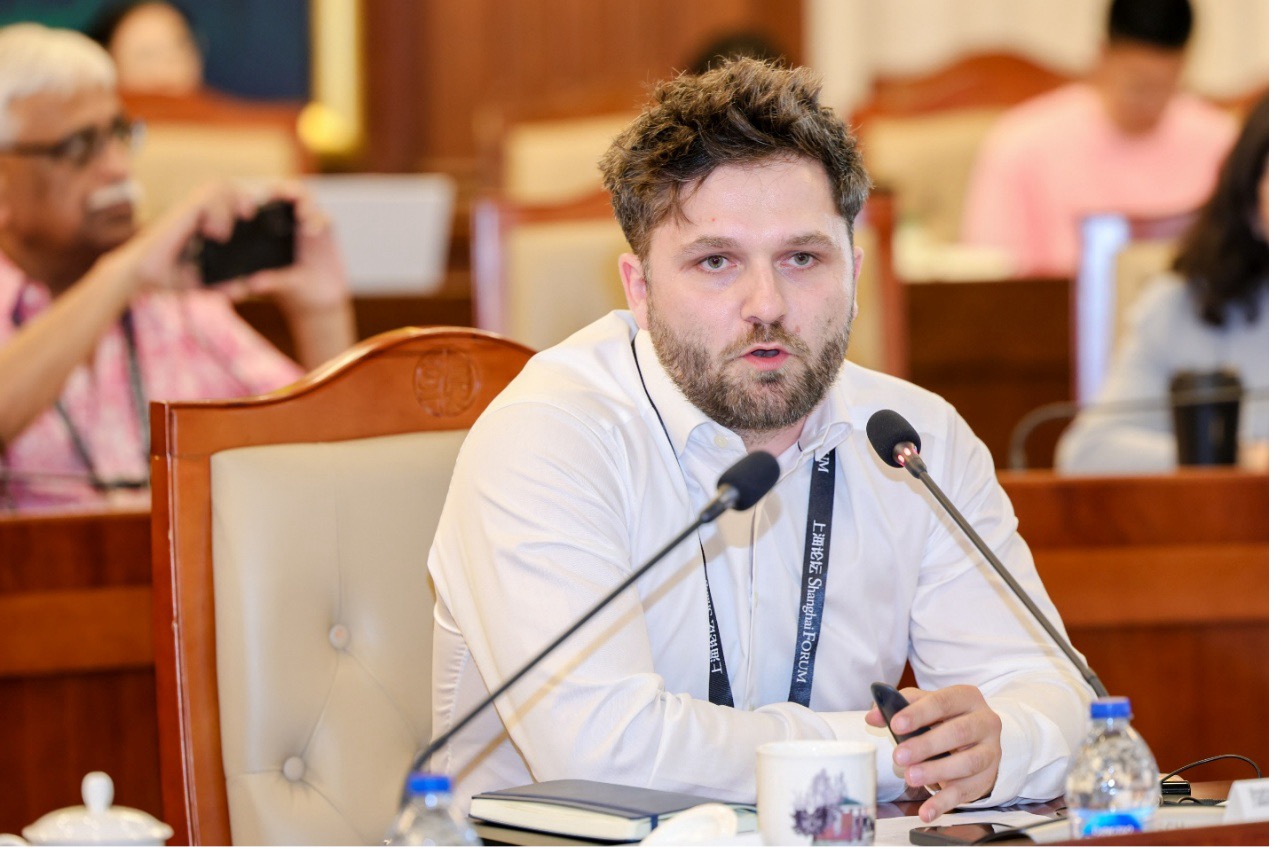
Maxime Stauffer, Co-Founder and CEO of the Simon Institute for Longterm Governance
Professor Zhao Minghao analyzed the new landscape of China-U.S. AI competition in the Trump 2.0 era, focusing on technology, supply chains, and geopolitical tensions. He proposed managing competition and advancing cooperation through differentiated and modular approaches, while supporting capacity building in Global South countries. He argued that China and the United States should jointly promote standards alignment, provide public goods for the Global South, and work together to address risks such as disinformation and cybercrime.
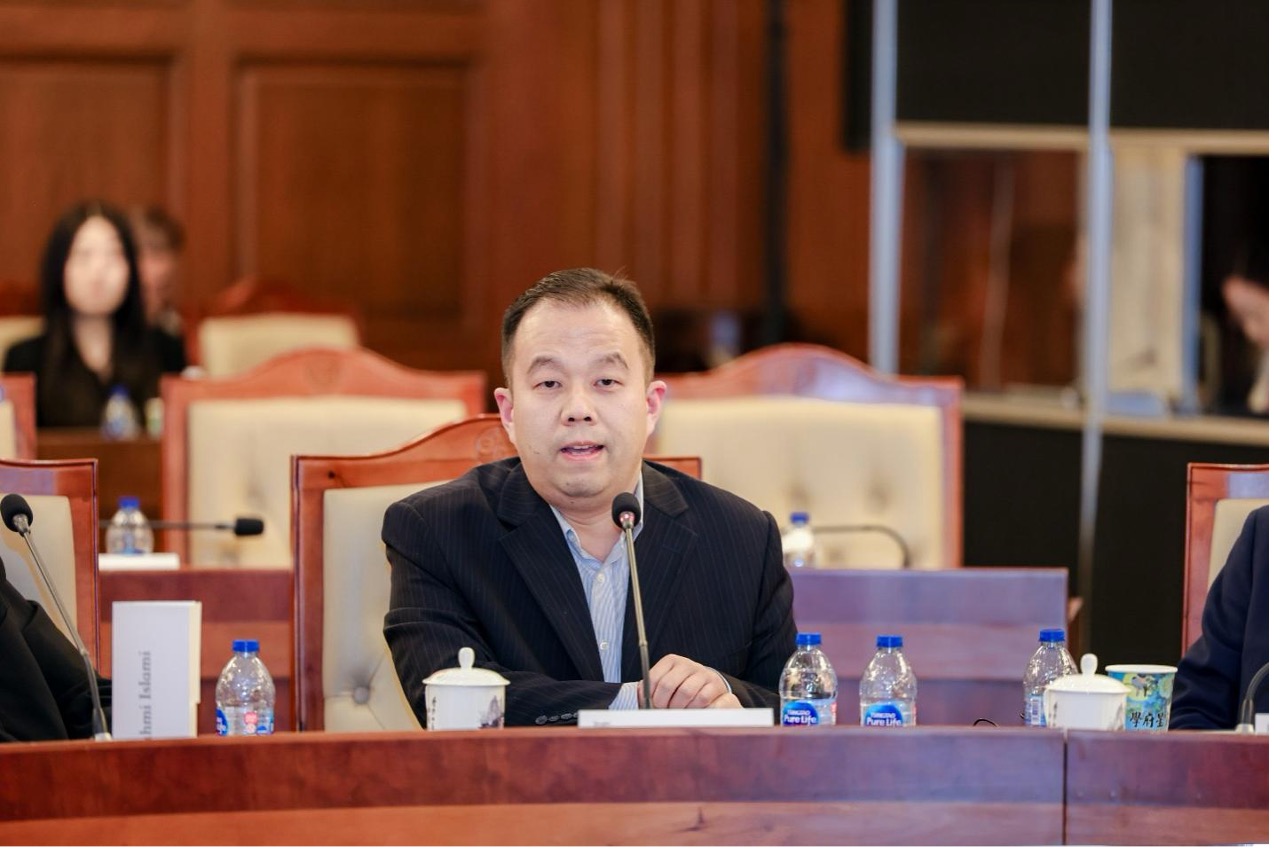
Professor Zhao Minghao, Deputy Director of the Center for American Studies, Fudan University
Fahmi Islami shared Indonesia’s experience in AI governance, noting that the country still faces severe challenges, including extreme shortages of infrastructure and local talent. He argued that North-South cooperation should focus on data sharing, infrastructure support, and reducing unemployment risks, while developing AI solutions tailored to each country’s specific needs. He emphasized that governance rules should be formulated based on national conditions rather than simply copying European or American models.
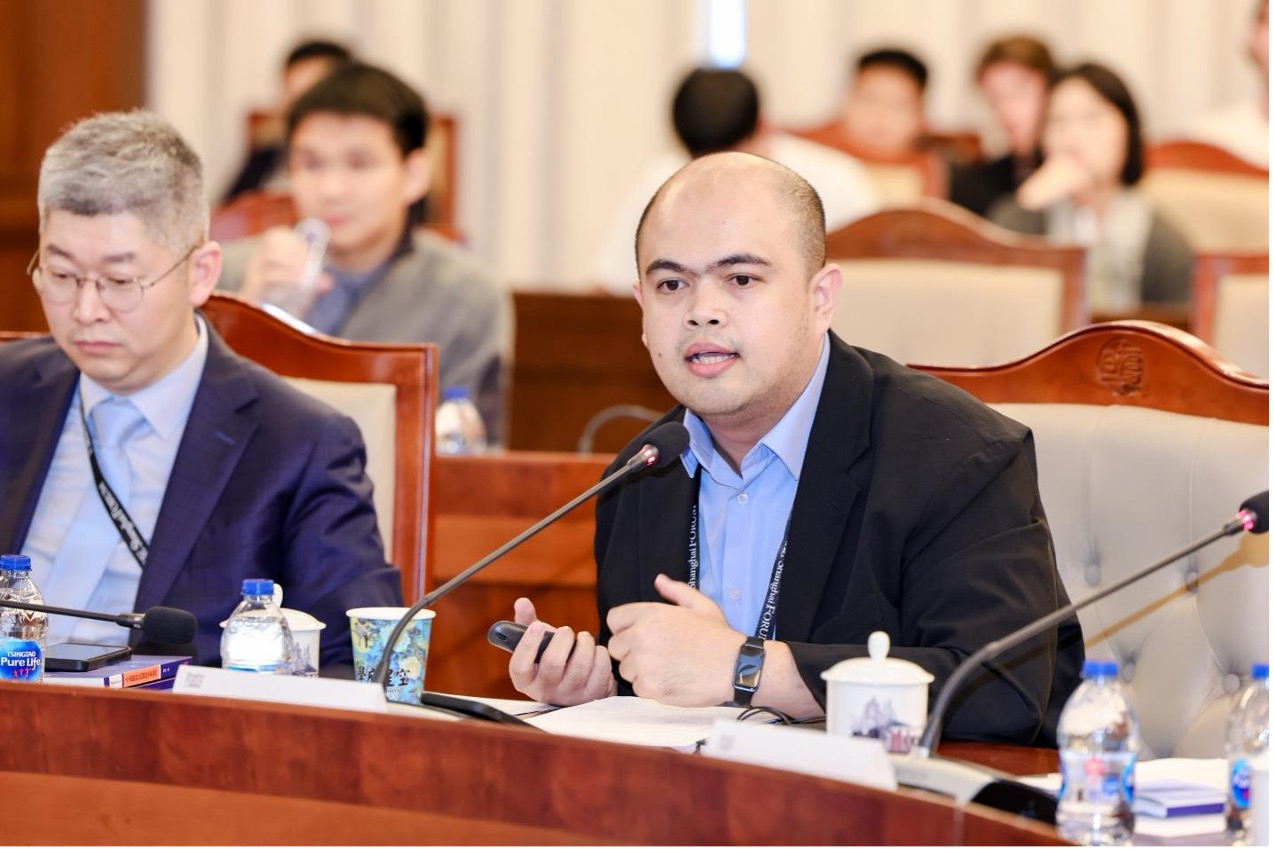
Fahmi Islami, Chief Advisor of Mandala Consulting
Celina Lee introduced how the Zindi platform helps bridge the AI divide by empowering talent in the Global South. Using talent development in Africa as a case study, she explained how skills competitions can help young people in the Global South become creators and producers of AI, highlighting the importance of South-South cooperation and inclusive innovation. Cross-border knowledge exchange demonstrates the power of global collaboration and enables marginalized communities to truly share in the dividends of technological revolution.
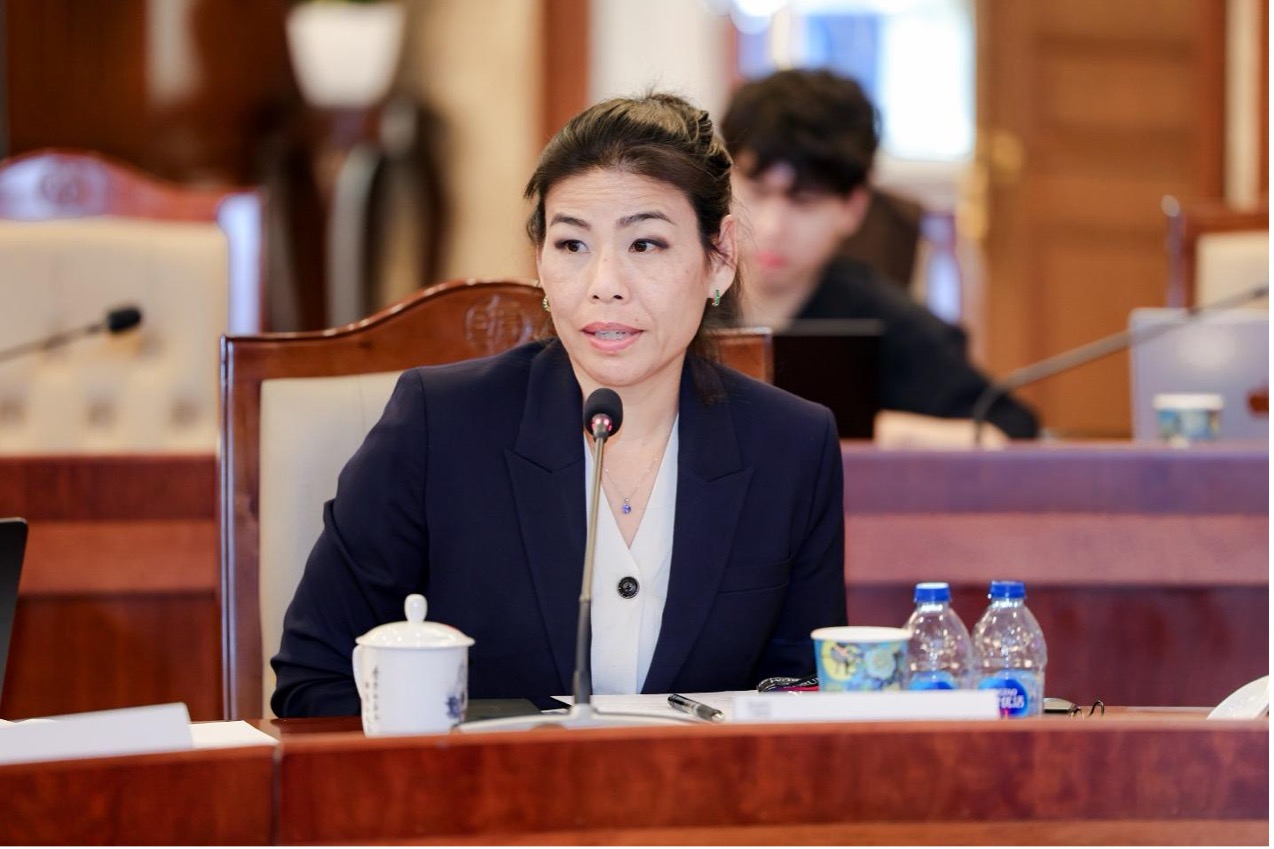
Celina Lee, Chief Executive Officer of Zindi
From the perspectives of Digital Public Infrastructure (DPI) and digital sovereignty, Anika Altaf analyzed the asymmetric challenges faced by the Global South in the field of artificial intelligence. She argued that sovereignty in the AI era is not achieved through negotiation, but is directly embedded in digital systems. The exercise of power is undergoing structural transformation through infrastructure and algorithmic decision-making. She emphasized that only through autonomous and controllable infrastructure can true digital sovereignty and governance equity be realized.
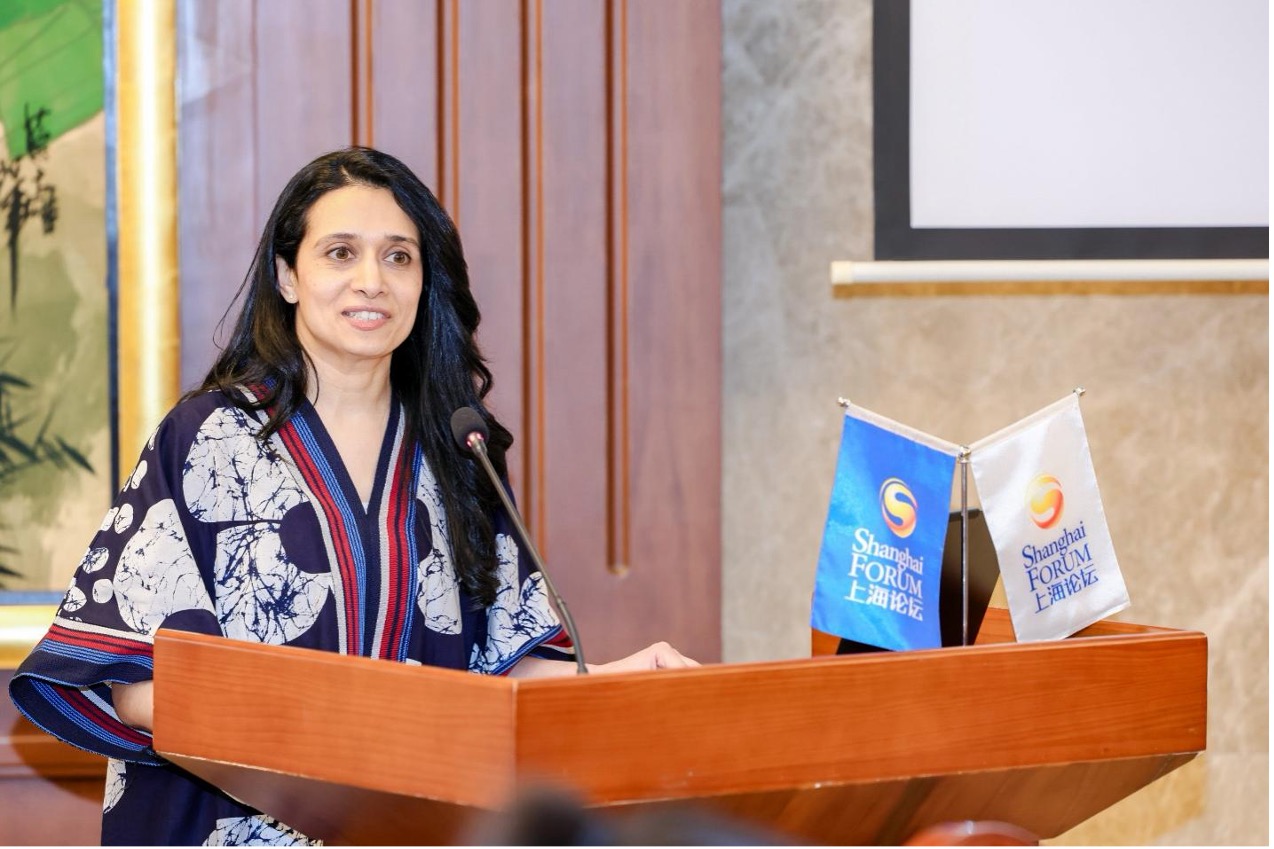
Anika Altaf, Executive Director of INCLUDE
03 Launch of the Report The Global South in the Global Governance Initiative
At the end of the forum, Professor Zhao Long, Director of the Institute for International Strategic and Security Studies at the Shanghai Institutes for International Studies (SIIS); Liu Zhongwei, Director of the Research Management Office of the School of International Relations and Public Affairs; and Jiang Tianjiao, Deputy Director of the BRICS Research Center of Fudan University and Associate Professor at the Fudan Development Institute, jointly launched the report The Global South in the Global Governance Initiative.
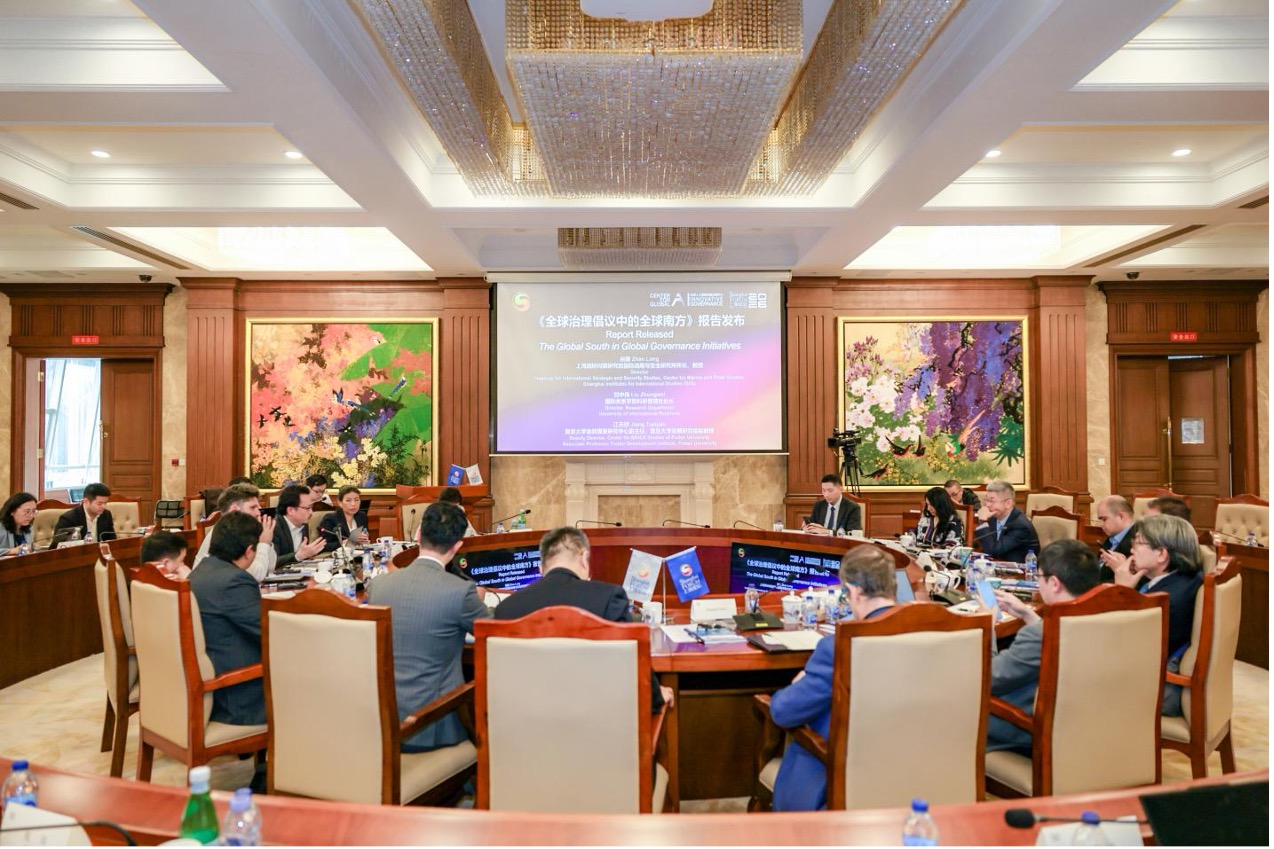
Launch of the Report The Global South in the Global Governance Initiative
Professor Zhao Long introduced the background and core framework of the report The Global South in the Global Governance Initiative. He explained that the report focuses on five major areas: global governance reform, security, supply chains, green transition, and AI governance. It analyzes the role, advantages, and challenges of the Global South, and proposes practical solutions such as dual-track participation and development-oriented security.
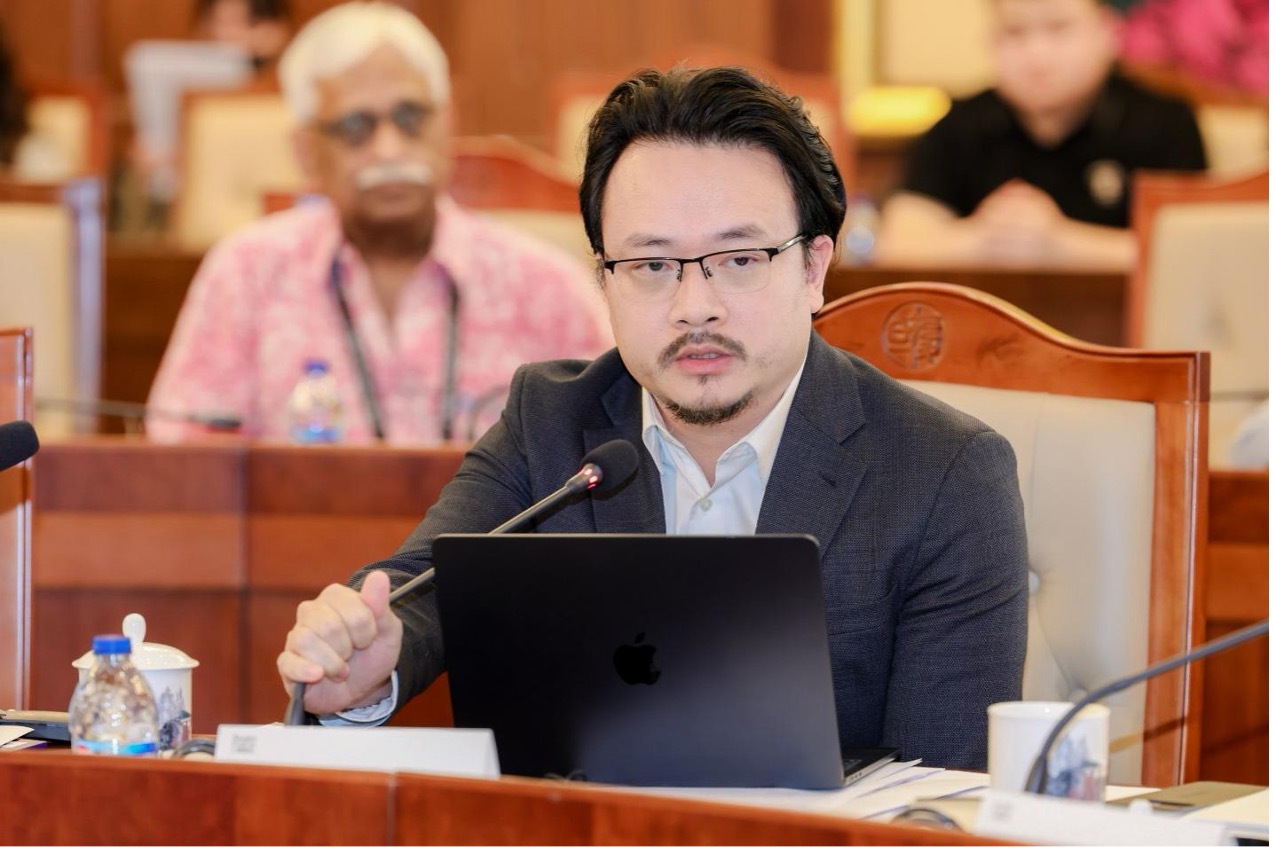
Professor Zhao Long, Director of the Institute for International Strategic and Security Studies, Shanghai Institutes for International Studies (SIIS)
Director Liu Zhongwei explained the core ideas of the report through the framework of the “Five S Principles,” emphasizing that governance should be grounded in the reality of the rise of the Global South. He stressed the importance of promoting security coexistence, supply chain reshaping, green transition, and best-practice sharing, and highlighted that multi-level South-South cooperation is essential for achieving common development across the Global South.
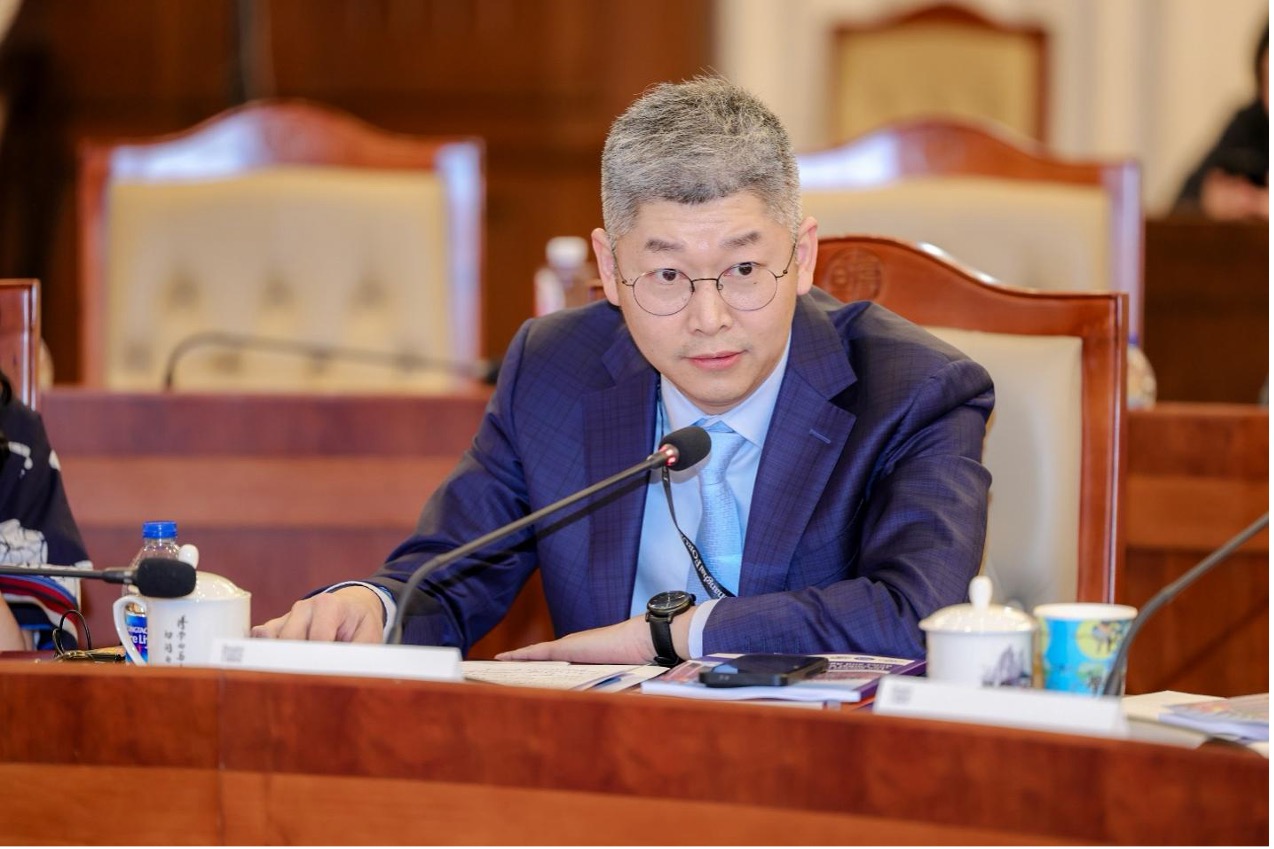
Liu Zhongwei, Director of the Research Management Office, School of International Relations and Public Affairs
Associate Professor Jiang Tianjiao focused on the report’s section on AI governance, highlighting the AI divide, security risks, and challenges surrounding the definition of AI sovereignty faced by the Global South. He proposed deepening international cooperation through the Global Governance Initiative and encouraging collaboration among academia, industry, and research institutions to create conditions for the Global South to participate equally in AI development and governance.
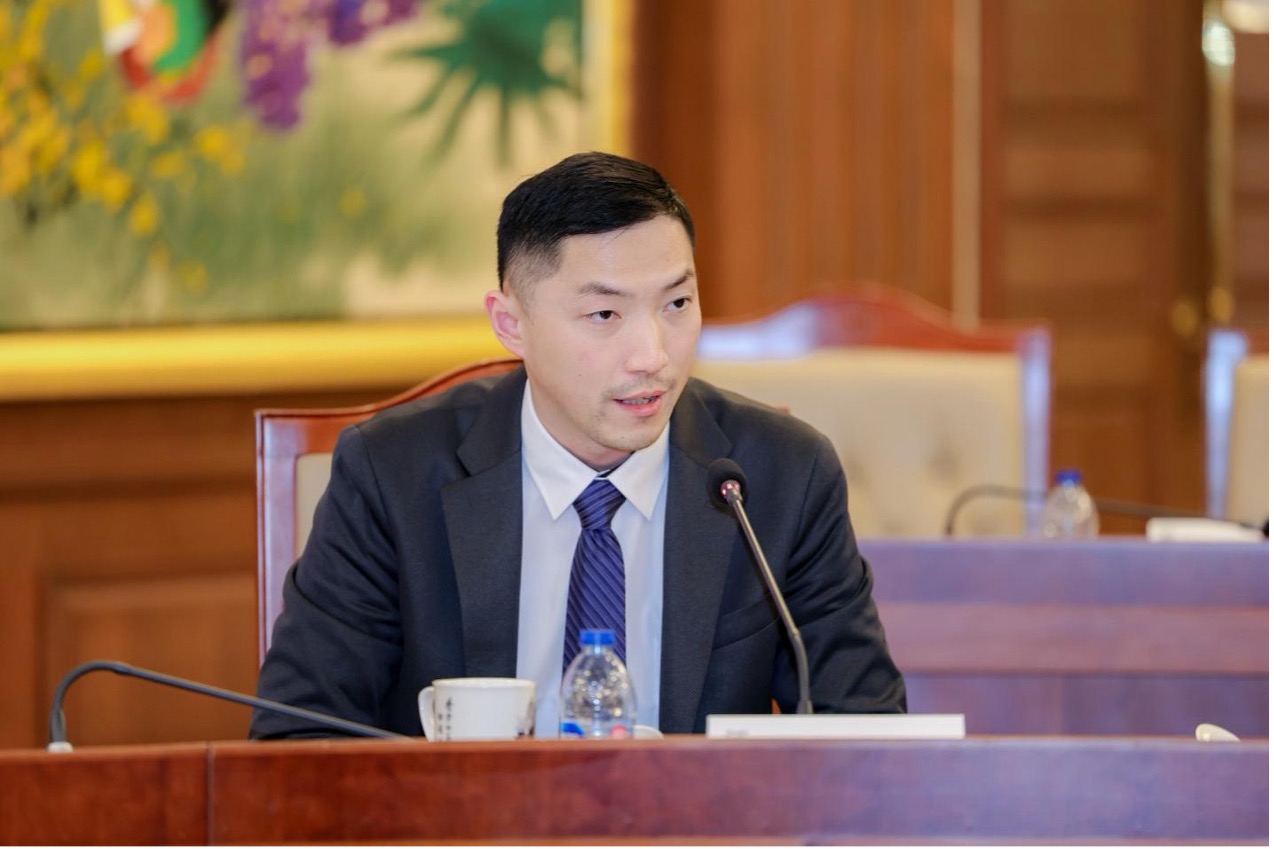
Jiang Tianjiao, Deputy Director of the BRICS Research Center of Fudan University and Associate Professor at the Fudan Development Institute
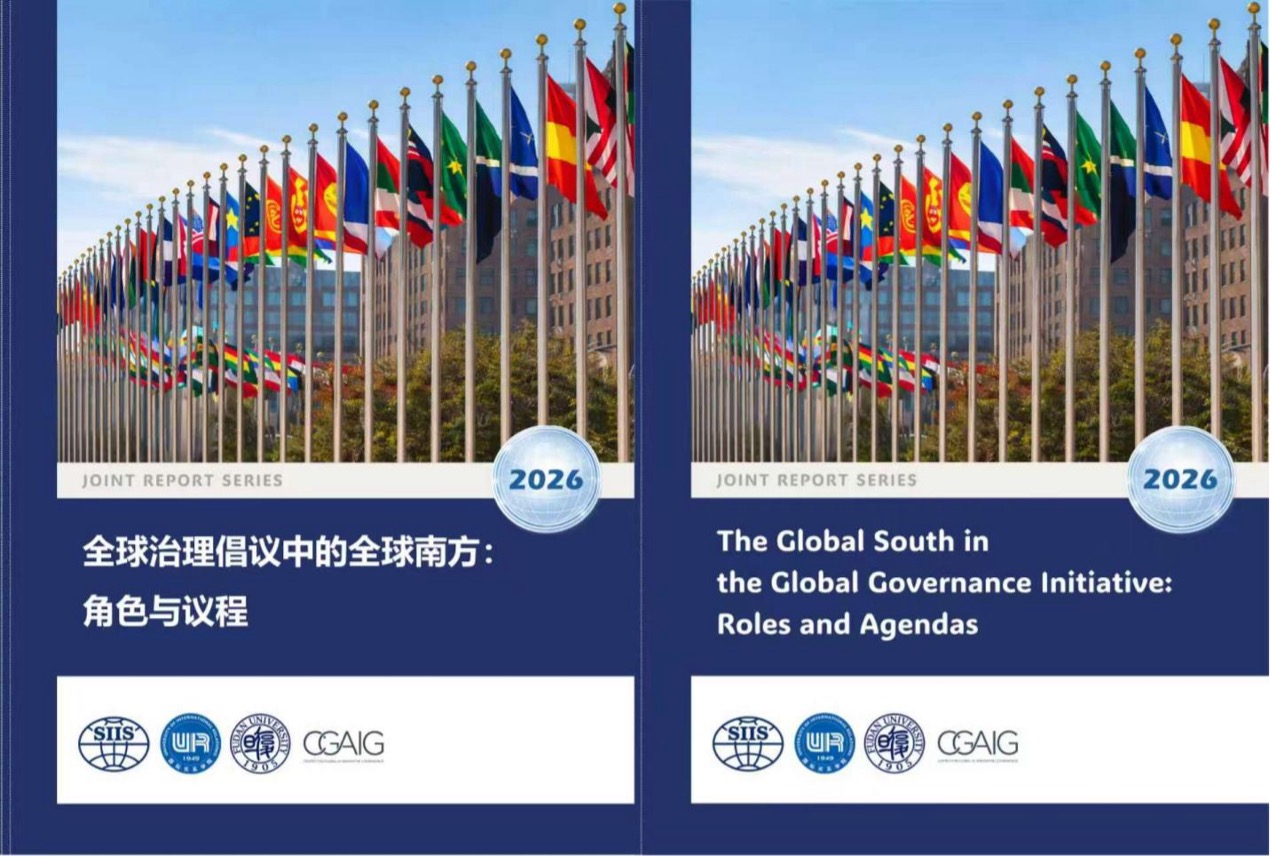
Chinese and English Covers of the Report
During the discussion session, experts engaged in in-depth exchanges on issues such as the distribution of AI risks, private-sector participation in governance, and the role of the Global South amid major-power competition. Participants generally agreed that the Global South itself is highly diverse and complex, and that no global consensus has yet been reached on AI governance. They emphasized that digital infrastructure is a core area of AI governance, and that countries in the Global South should manage relations with major powers based on their own national conditions, bridge the gap between technology and policy, and strengthen coordination through multilateral platforms such as the United Nations to jointly promote a more inclusive and balanced global AI governance system.
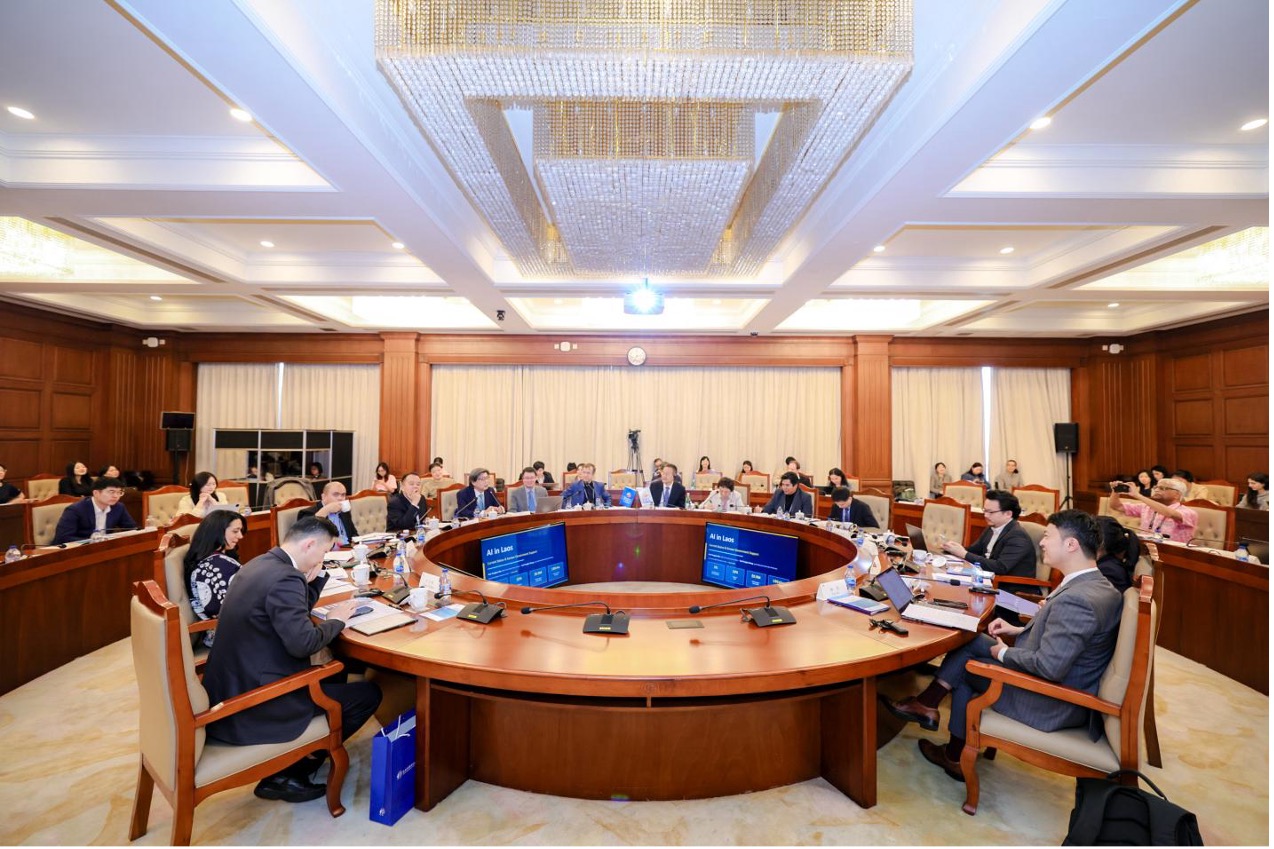
Shanghai Forum 2026 Sub-Forum on “Global AI Governance: Bridging the AI Divide and Strengthening North-South Dialogue (II)” Held at Siyuan Hall, Fudan University
This sub-forum closely followed the latest trends and emerging demands in global AI governance, bringing together academic expertise from China and abroad in the field of AI governance. Grounded in multidimensional global perspectives and practical experience, it further consolidated consensus on global AI innovative governance and provided strong support for bridging the AI divide and advancing North-South dialogue. It also contributed valuable academic consensus and policy wisdom toward building a fairer, more inclusive, safer, and more sustainable new order of global AI governance.
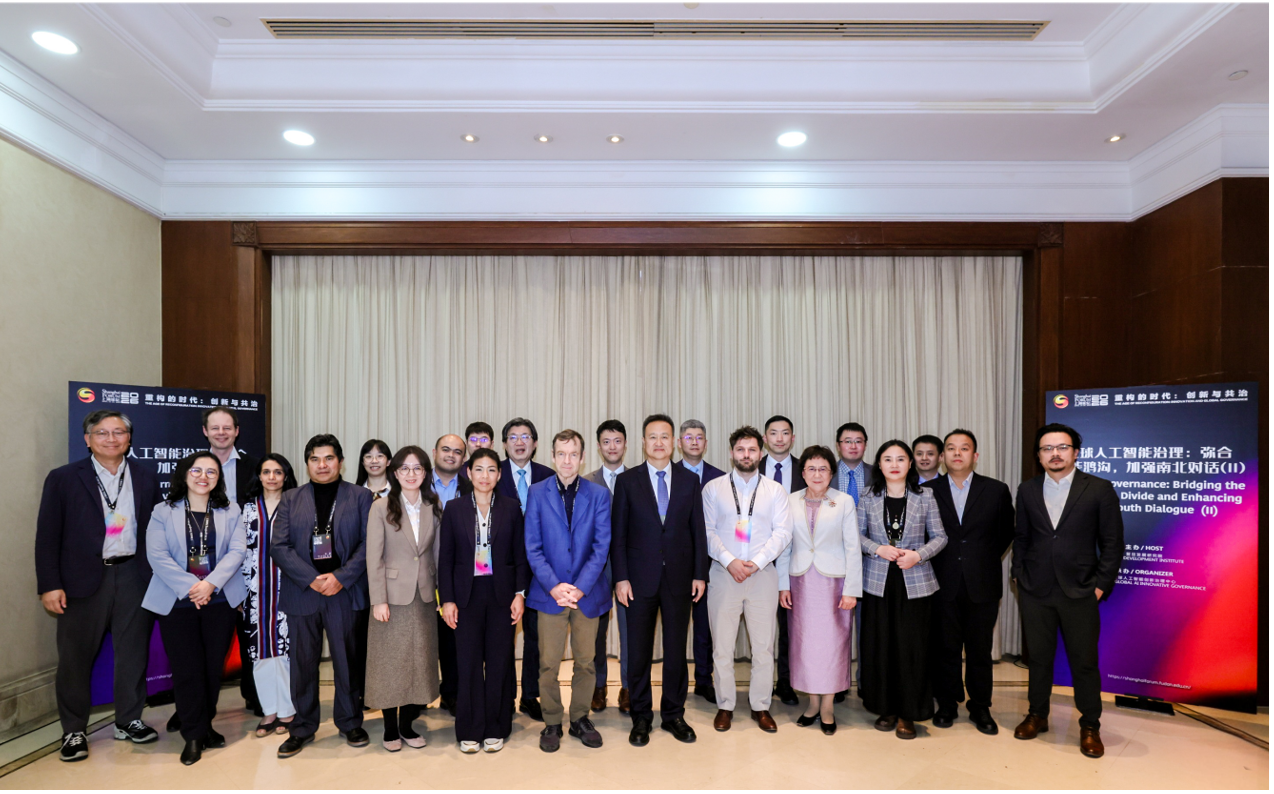
Group Photo of Participating Guests