


The rapid development of artificial intelligence is profoundly reshaping the ways knowledge is produced and skills are developed, while also creating new governance needs in relation to equity, inclusion, ethics, security and global development. As the significance of AI for Good becomes increasingly evident, higher education institutions are playing a more critical role in global AI governance. Universities are not only key actors in foundational AI research, interdisciplinary knowledge production and talent development, but also important platforms for values-oriented guidance, ethical reflection, public policy research and international cooperation. How universities can help advance AI for Good has become a shared agenda for higher education communities across Asia and Europe.
From April 21 to 25, the 7th Asia-Europe Foundation Higher Education Innovation Laboratory (ASEF InnoLab7) was held at Fudan University. The event was supported by the Center for Global AI Innovative Governance (CGAIG) and brought together scholars and experts from universities, international organizations and research institutions across Asia and Europe. Discussions focused on higher education innovation in the age of AI, AI for Good, digital capacity-building, global governance and policy transformation. Participants also worked on the design of research topics, team formation and follow-up research for the ASEF InnoLab7 white paper series.
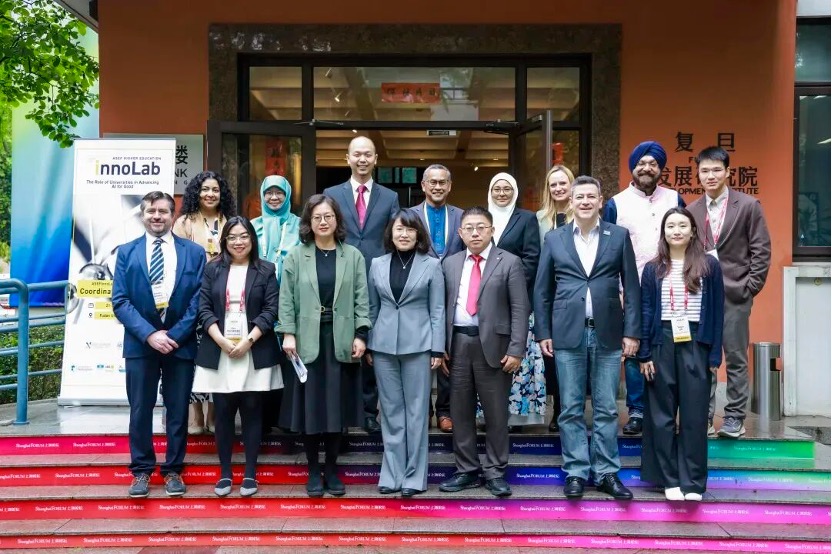
Group Photo of the Participants
The opening session took place on April 22 at Fudan University’s Think Tank Building. Opening remarks were delivered by Wu Libo, assistant to the president of Fudan University and vice chair of the International Advisory Board of CGAIG; Cleo Cachapero, Higher Education Project Lead of ASEF’s Education Department; and Shen Yi, director of the International Research Institute of Global Cyberspace Governance at Fudan University. Zhang Yi, executive dean of the Fudan Development Institute and deputy director of CGAIG, also attended the ceremony.
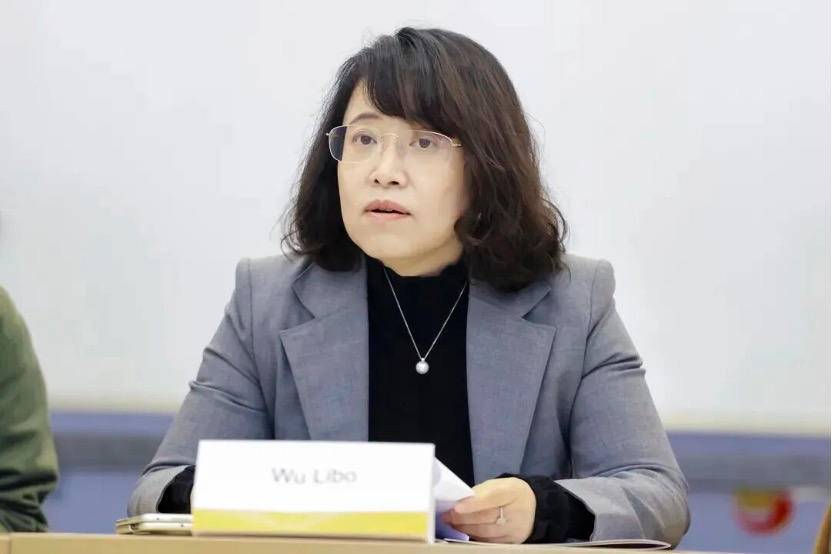
Professor Wu Libo delivers a speech
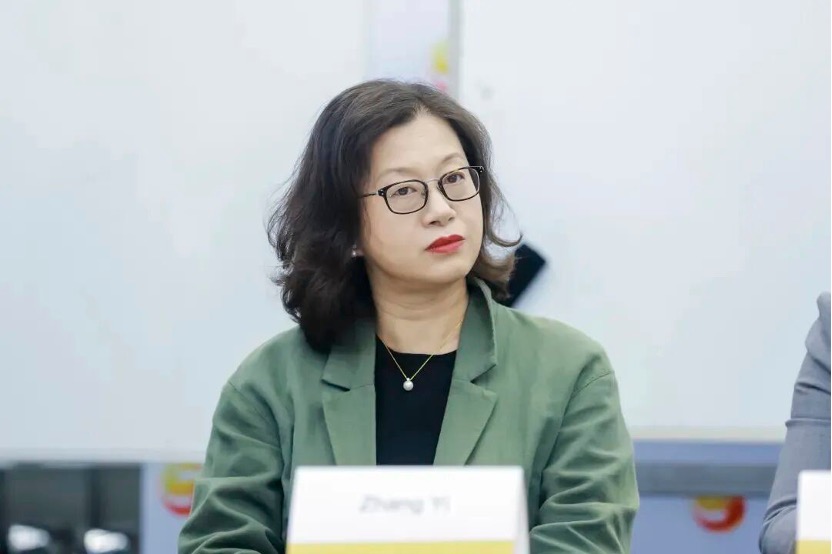
Professor Zhang Yi attends the opening ceremony
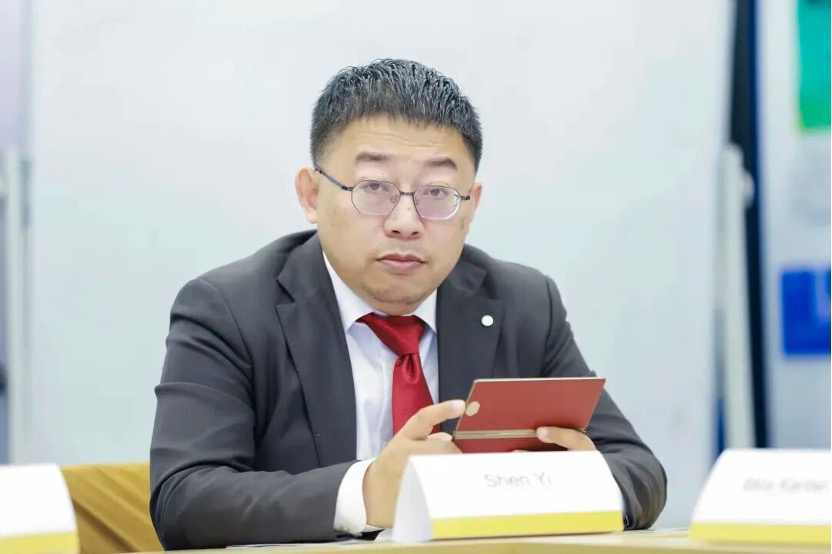
Professor Shen Yi delivers a keynote speech
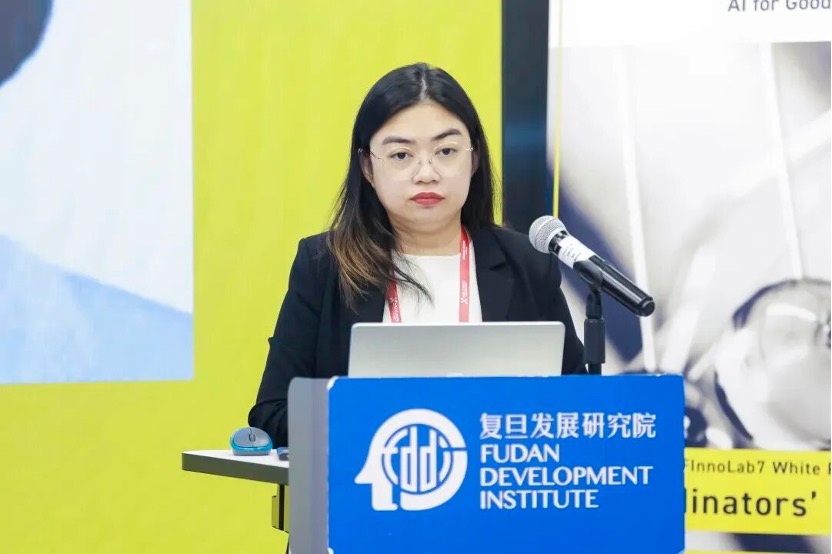
Ms. Cleo Cachapero presides over the opening ceremony
During the White Paper Lab, scholars from institutions including Fudan University, University of Nottingham, International University of La Rioja, The Hague University of Applied Sciences, International Islamic University Malaysia, La Trobe University, UNESCO’s International Research Centre on Artificial Intelligence, Universiti Teknologi Brunei and O.P. Jindal Global University presented proposed policy white paper topics from their respective disciplinary perspectives. Discussions centered on how AI technologies could support global governance, social welfare and higher education reform in pursuit of AI for Good.
The workshop was chaired by Claudio Revera of Riga Technical University Business School, who summarized the principal arguments, conceptual frameworks, policy contributions and potential societal implications of the proposed papers. Through group discussions and open exchanges, participants further refined research boundaries, identified complementarities among topics and reached preliminary consensus on the final themes for the white papers.
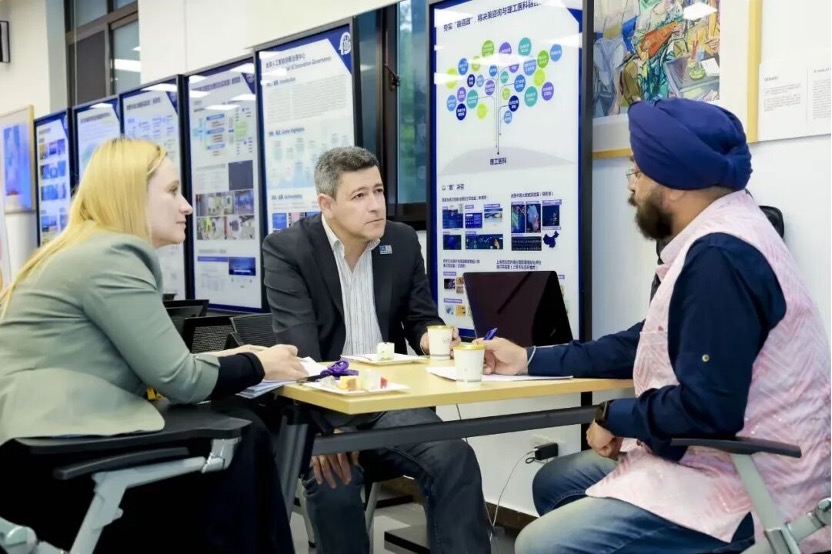
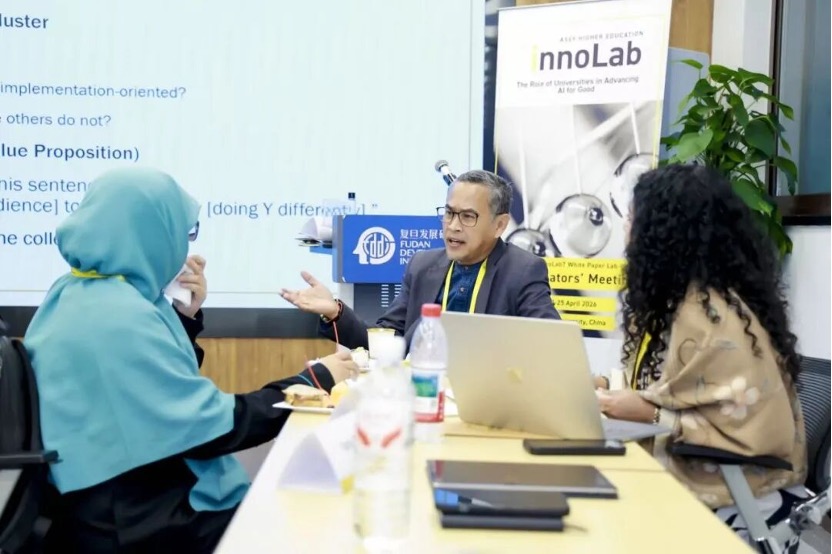

The White Paper Lab
On April 24, ASEF InnoLab7 participants also attended Shanghai Forum 2026, including a dedicated sub-forum titled “Universities’ Role in Promoting AI for Good”.
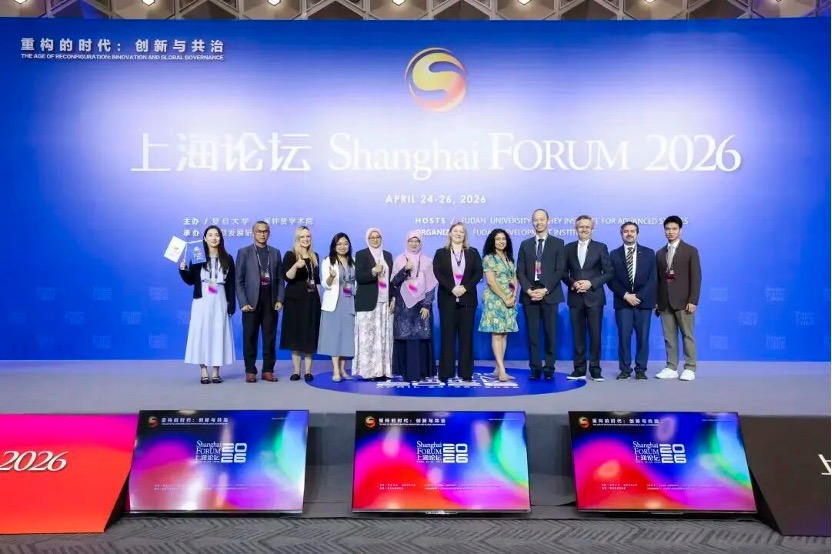
Group photo of the participants at the Shanghai Forum
At the sub-forum, Professor Shen Yi first addressed the practical significance and implementation pathways for higher education institutions participating in AI for Good initiatives. Other speakers included Li Yan, director of the Institute of Sci-Tech and Cyber Security Studies at the China Institutes of Contemporary International Relations; Simon Chesterman, vice-provost of the National University of Singapore; Daniel Burgos, vice-president of the International University of La Rioja and UNESCO Chair in Online Education; John Shawe-Taylor, professor at University College London and UNESCO Chair in Artificial Intelligence; Julia Neidhardt, professor at the TU Wien and UNESCO Chair in Digital Humanities; and Lampros Stergioulas, UNESCO Chair in Artificial Intelligence and Data Science. Speakers discussed issues including AI governance, higher education transformation, digital humanities, online education, capacity-building, global knowledge networks and technology development oriented toward the public good.
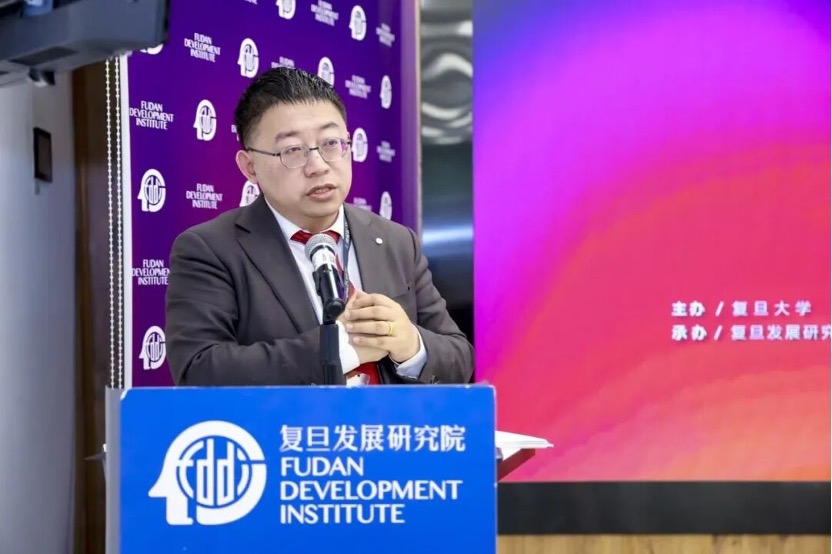
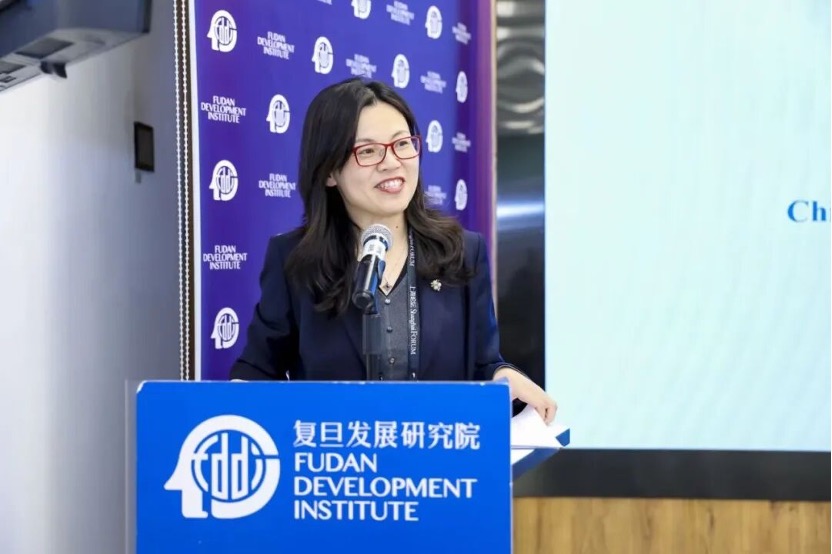
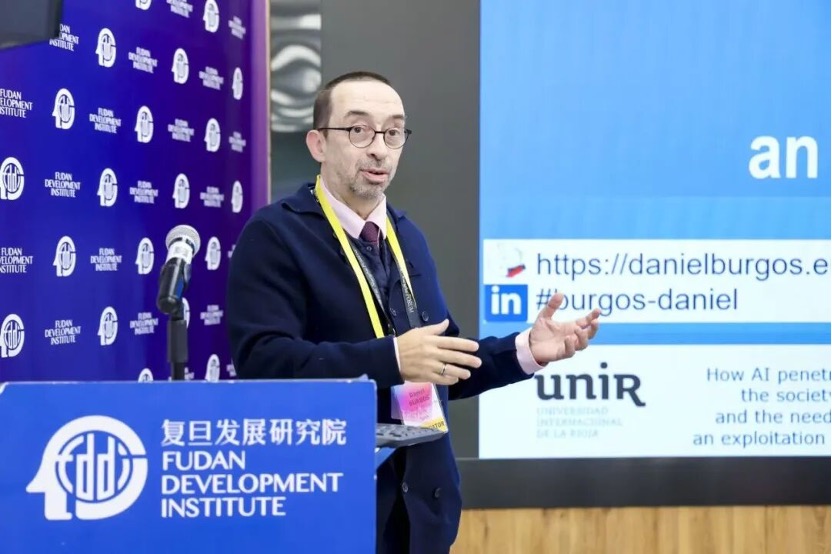
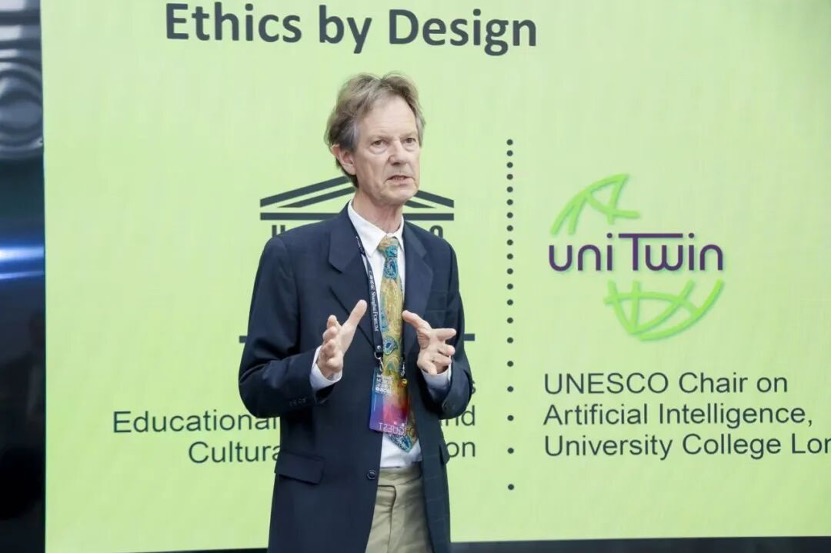
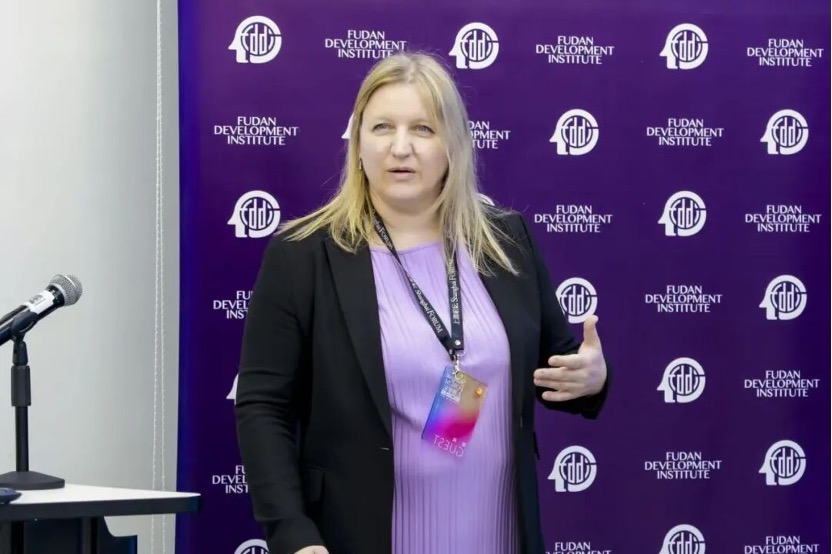
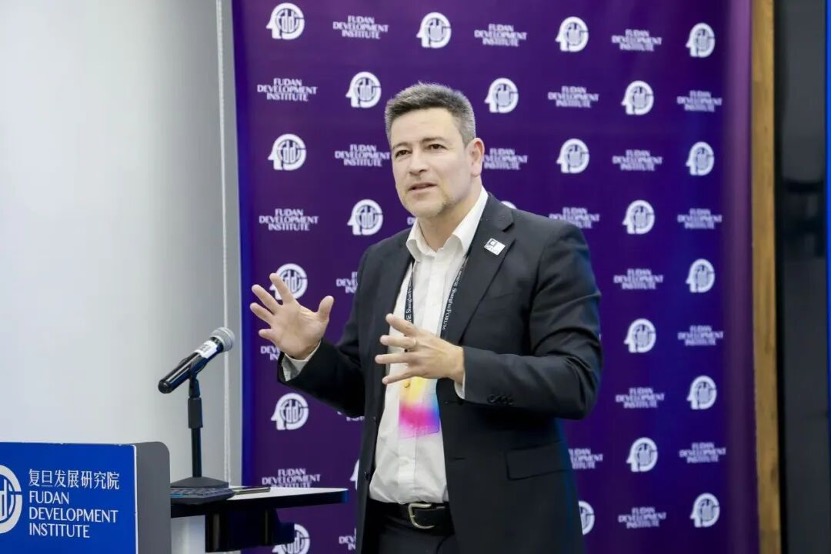
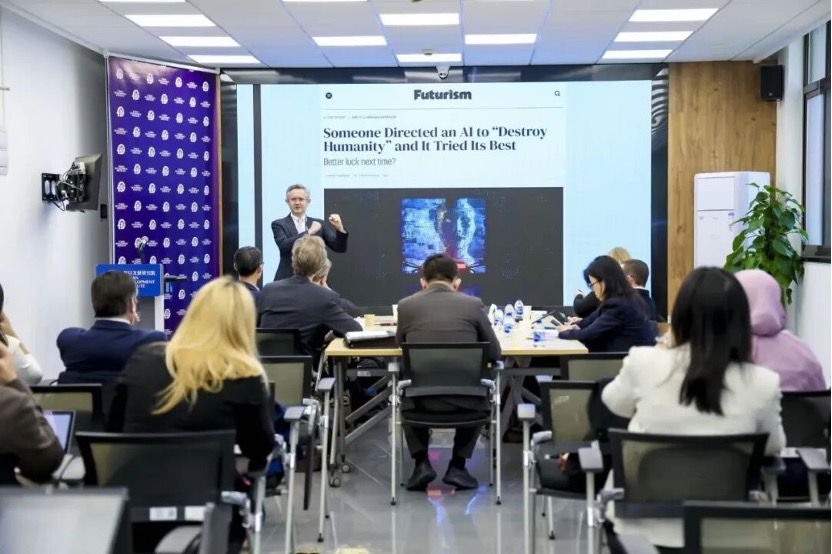
Participants deliver speeches at the sub-forum
Since 2021, Fudan University and the Asia-Europe Foundation have jointly organized the ASEF InnoLab series for five consecutive years. To date, the initiative has reportedly attracted nearly 550 researchers, academics and business leaders from 46 countries across Asia and Europe, fostering sustained dialogue and reflection on how AI technologies may reshape future societies.
The conference was jointly organized by Fudan University and the Asia-Europe Foundation, and co-hosted by the International Research Institute of Global Cyberspace Governance at Fudan University and the Asia-Europe Foundation’s Education Department. Support was also provided by Fudan University’s Office of Global Partnerships, the Fudan Development Institute, the Center for Global AI Innovative Governance, the School of International Relations and Public Affairs at Fudan University, and the Shanghai Rong Chang Public Welfare Foundation.
Original link: