

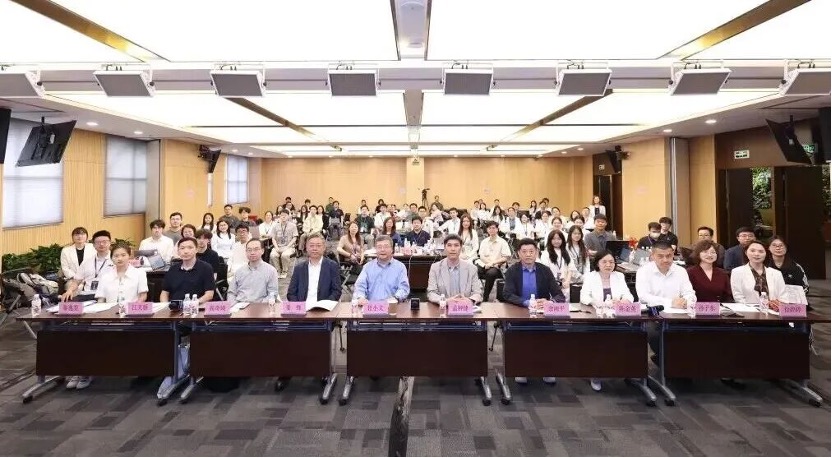
On May 23, the Area Studies session of the public training camp “Meet the Future: AI Applications in Social Sciences” was held at the Shanghai Social Sciences Hall. The event was jointly hosted by the Shanghai Federation of Social Science Associations (SFOSSA) and Shanghai International Studies University (SISU); co-organized by the Shanghai Social Sciences Development and Research Center, the Shanghai Association for Social Application of Big Data (SASAD), the Shanghai Area Studies Association, and the Shanghai Academy of Global Governance and Area Studies (SAGGAS); and supported by the Center for Global AI Innovative Governance (CGAIG) and other institutions. Ren Xiaowen, Member of the Party Leadership Group and Full-time Vice Chairman of SFOSSA; Meng Zhongjie, President of Shanghai International Studies University; and Jiang Feng, President of the Shanghai Area Studies Association and Chairman of the Council of SAGGAS, attended the event.
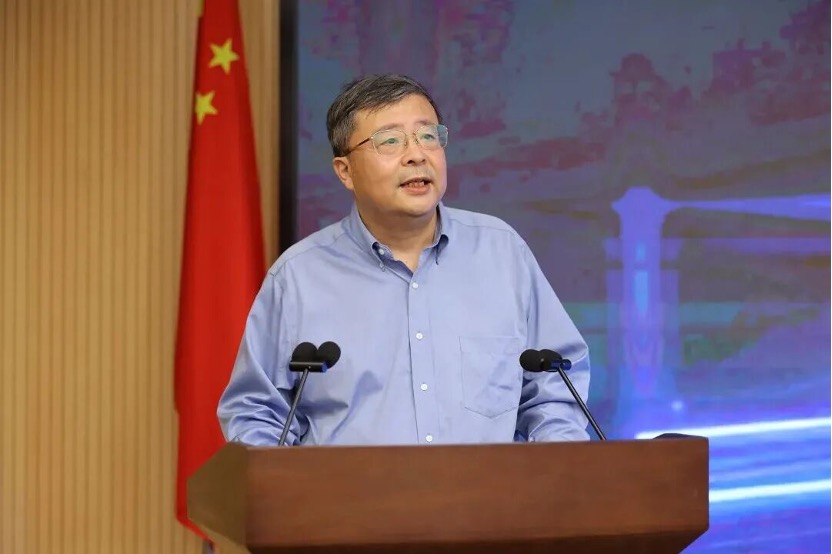
Ren Xiaowen welcomed the leaders, experts, and participants attending the event, and expressed his thanks to Shanghai International Studies University, the event’s co-host, as well as the relevant co-organizers and supporting institutions. He noted that SFOSSA has held four sessions of the “Meet the Future: AI Applications in Social Sciences” training camp. The program aims to demonstrate that the humanities and social sciences have much to contribute in the age of artificial intelligence (AI), that students in these fields have great potential, and that liberal arts education needs to shift from knowledge provision to capability cultivation. He emphasized that, like every technological revolution and leap in productivity in history, AI will inevitably bring about profound changes in the humanities and social sciences. At this moment of transformation, At this moment of transformation, AI is empowering liberal arts students to move beyond generating ideas and to better understand markets and translate their ideas into products that meet real needs. He expressed the hope that the training camp would explore new pathways for popularizing AI skills and incubate intelligent products that meet social needs.
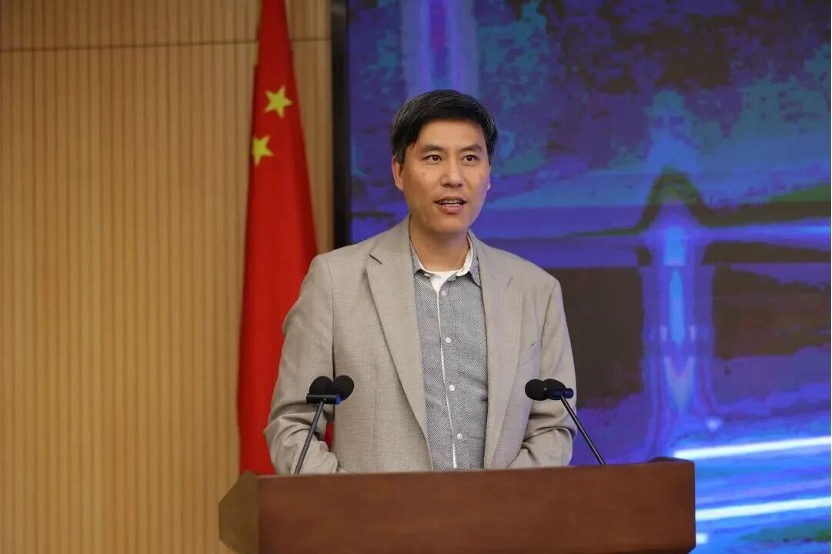
In his remarks, Meng Zhongjie expressed gratitude on behalf of SISU to SFOSSA, all co-organizers, and the project teams. He pointed out that young scholars and members of the intellectual community should take the initiative to shoulder the mission of articulating China’s position and contributing Chinese wisdom in social science research, and should harness AI technologies to explore new paradigms of area studies.
He noted that in the age of AI, the boundaries between the humanities and sciences are gradually dissolving, while human wisdom and humanistic traditions are becoming increasingly irreplaceable. SISU is guided by a development philosophy that integrates digital technologies with humanistic foundations, upholds the central role of human beings as the subjects of research, and promotes the innovative integration of ideas and technologies across the “five dimensions” of language, literature, cultural relics, culture, and civilization.
He stated that SISU will fully support the development of academic platforms, take the opportunity of facilitating Chinese enterprises’ global expansion. The university will promote coordinated efforts among government, industry, universities, research institutions, and application sectors, and contribute to national strategies and Shanghai’s development as an international economic, financial, trade, shipping, and technological innovation center.
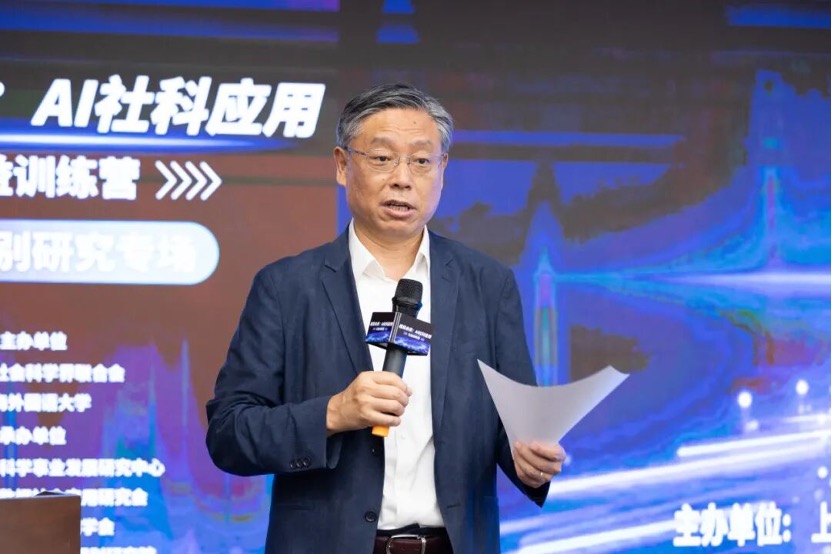
Jiang Feng expressed gratitude to SFOSSA for its long-standing support for and guidance on area studies, and congratulated the participants on successfully completing their project presentations. He noted that AI is not only a tool for improving efficiency, but also a medium for content creation and value presentation in interdisciplinary collaboration.
He emphasized that AI applications should not be constrained by disciplinary barriers, and that there should be no rigid divide between the humanities and the sciences. In the age of AI, broader opportunities for meaningful participation are emerging, allowing individuals to better demonstrate their own value. Speaking about area studies, he stressed that research should remain closely connected to concrete realities. It must be rooted in local contexts, rely on cross-verification of multiple sources of information, and capture real local dynamics. As China’s pioneer in reform and opening-up and a forerunner in innovation-driven development, Shanghai can contribute more “Shanghai solutions” to empowering social sciences with AI and advancing high-level area studies.
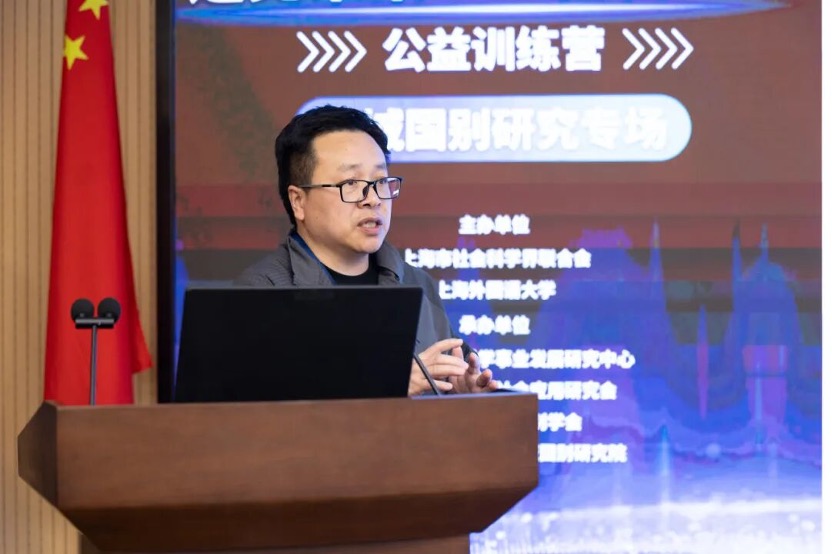
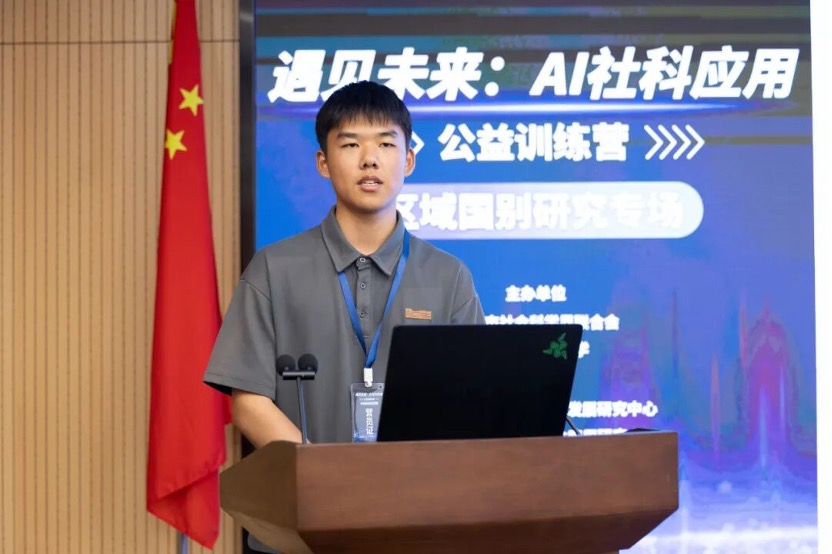
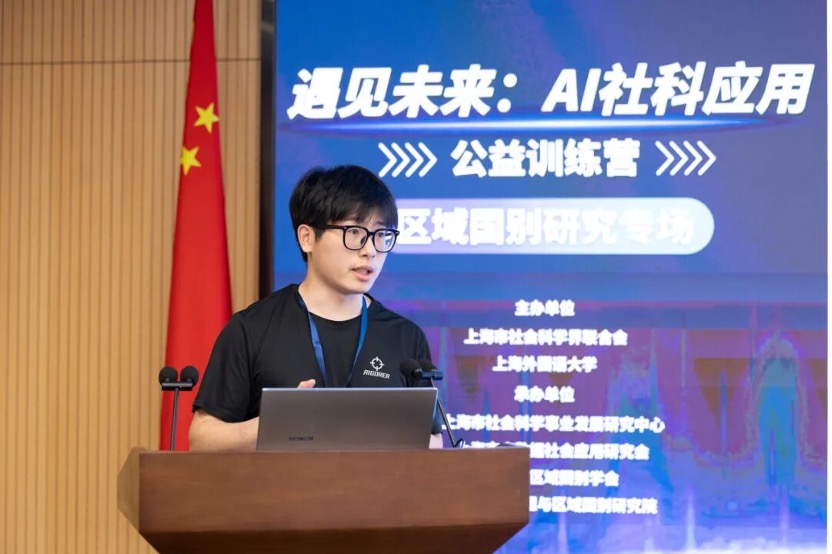
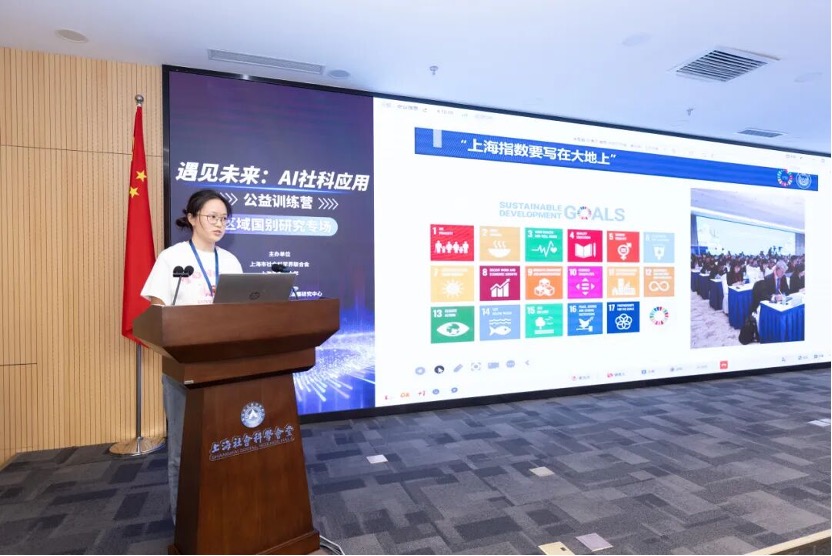
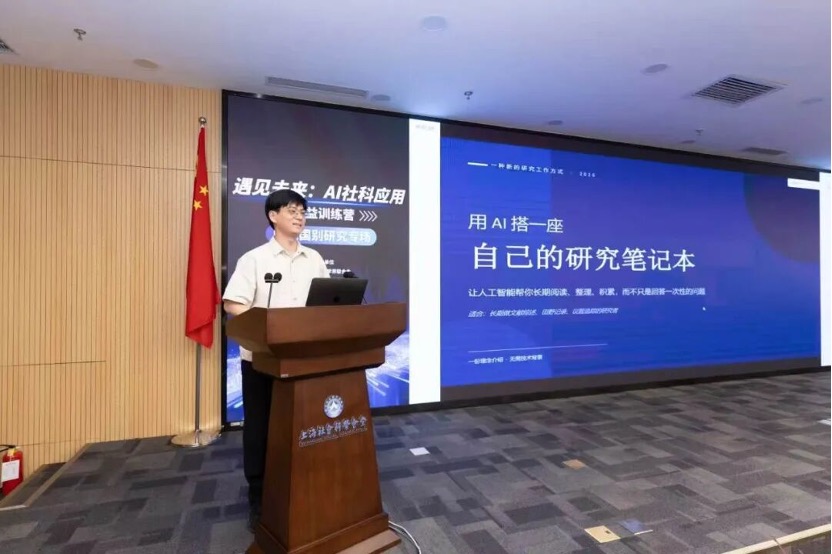
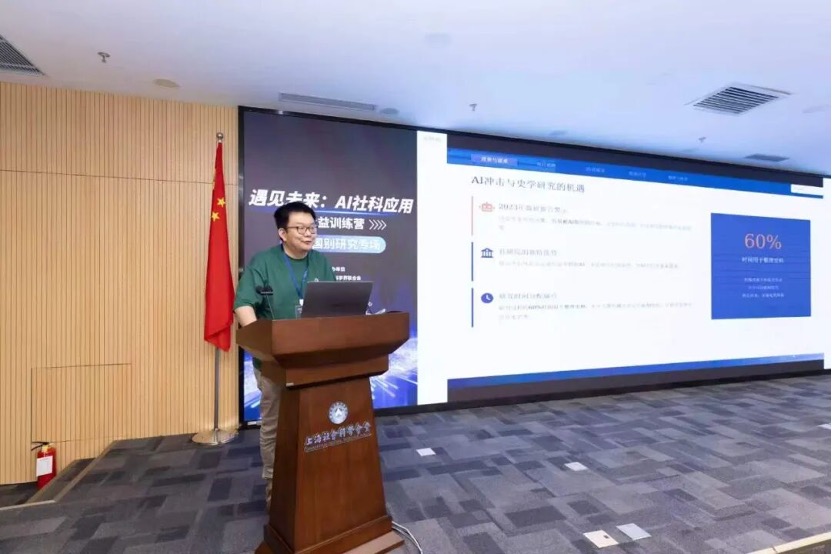
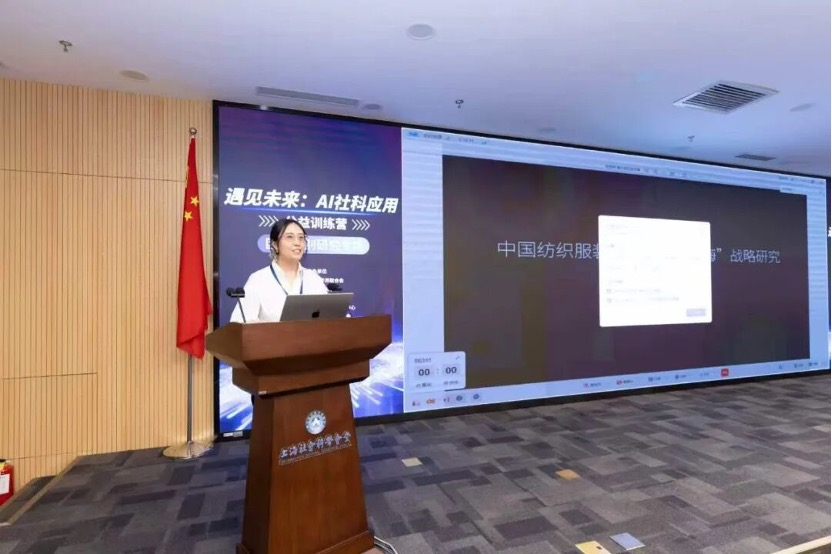
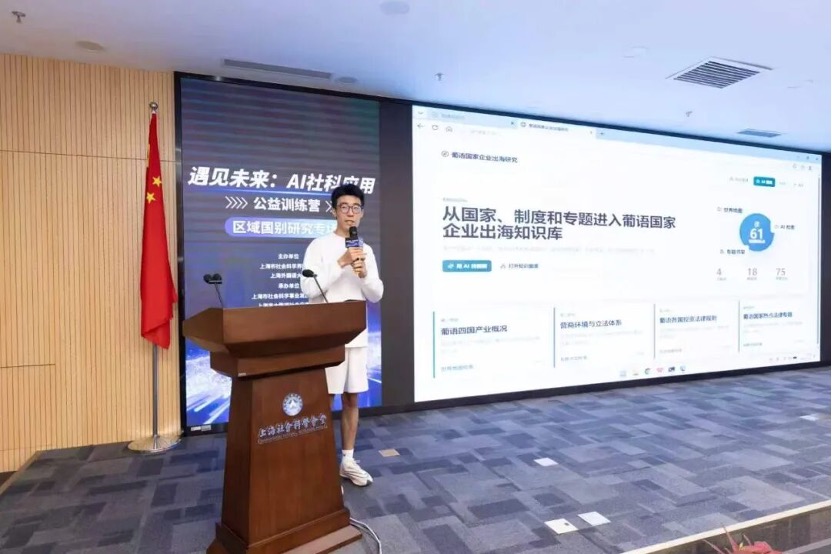
A total of ten projects were presented at the final showcase of this public training camp, covering topics such as South China Sea security, neighboring countries, literature review and organization, European studies, and Chinese enterprises’ global expansion. Experts raised questions and offered comments on the presentations.
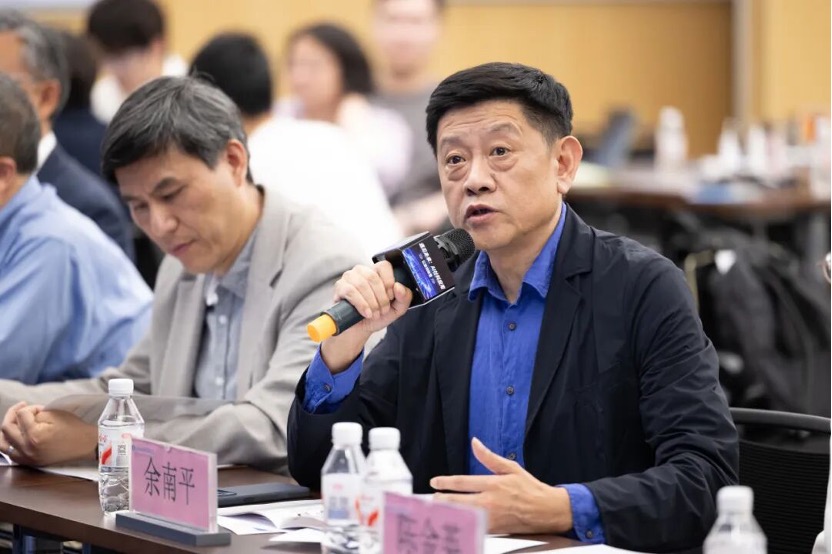
Yu Nanping Professor at East China Normal University, Chief Expert at the Yu Nanping Studio of the Shanghai Municipal Government Decision-Making Consultation Base, and Chair of the Artificial Intelligence Professional Committee of the Shanghai Area Studies Association, pointed out that the key challenge in applying AI to area studies lies in the degree to which model outputs align with local realities. Potential biases and time lags in data selection must be verified against real-world conditions, and model confidence boundaries should be refined to ensure that technical analysis truly serves decision-making needs.
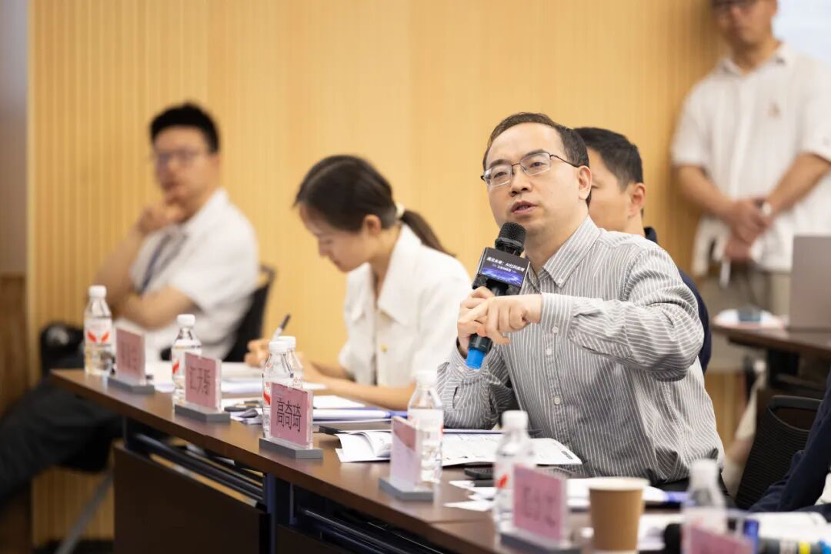
Gao Qiqi, Research Fellow at CGAIG, Vice President of SASAD, Professor at the School of International Relations and Public Affairs, Fudan University, and Chair of the Artificial Intelligence Professional Committee of the Shanghai Area Studies Association, argued that the commercial value of AI applications in the social sciences lies in deeply enabling specific vertical use cases. He noted that projects should identify and focus on specific user groups and build a dynamic mechanism that aligns technological iteration with scenario-specific needs. He suggested that participants identify the right targeted scenarios in project implementation, precisely match the needs of target users, and continue to develop and refine the projects to ensure their long-term vitality.
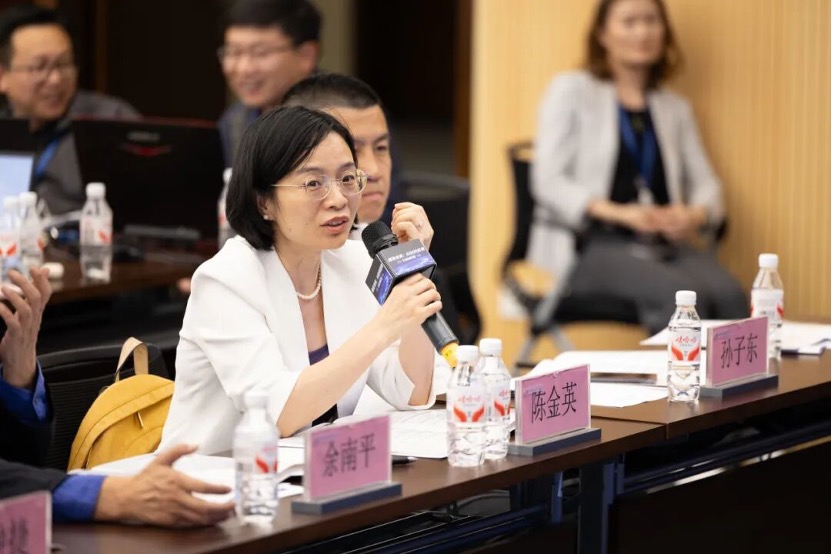
Chen Jinying, Professor at the School of International Relations and Public Affairs, SISU, and Chair of the India Studies Professional Committee of the Shanghai Area Studies Association, observed that South Asia occupies a strategically important position in the Belt and Road Initiative. Its political instability and complex geopolitical relations have far-reaching implications for regional security and economic interests, and its strategic importance continues to rise.
She pointed out that AI-empowered South Asia studies should focus on improving data completeness and the comprehensiveness of variables. She recommended using cross-verification of multiple data sources to strengthen models’ ability to explain local conditions and their reliability.
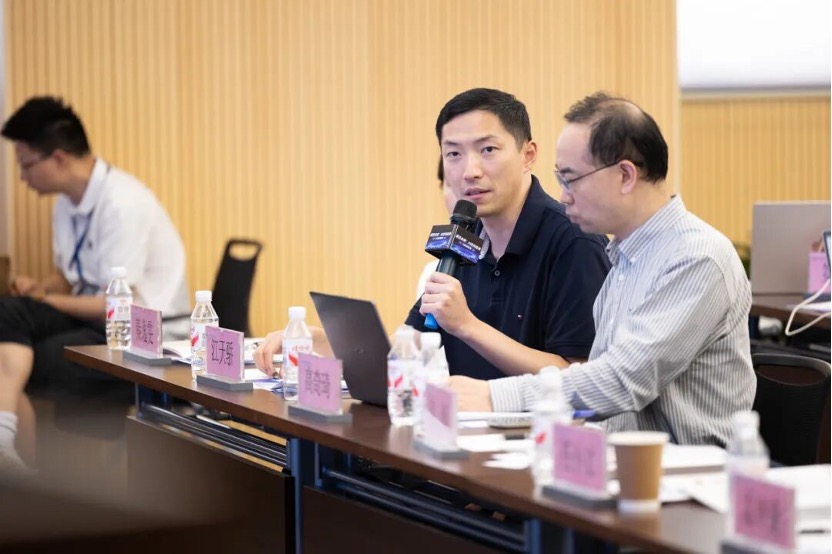
Jiang Tianjiao, Research Fellow at CGAIG, Vice President of the Shanghai Association for Pacific Regional Economic Development, and Council Member of the Shanghai Association for AI and Social Development, stated that AI-empowered area studies should balance technological innovation with governance standards. Attention should be paid to information security and ethical boundaries throughout data collection and use.
He suggested that participants pay close attention to compliance requirements under AI governance frameworks, integrate ethical awareness into project design, and maintain necessary safeguards while promoting technology deployment, so as to achieve a balance between innovation and security.
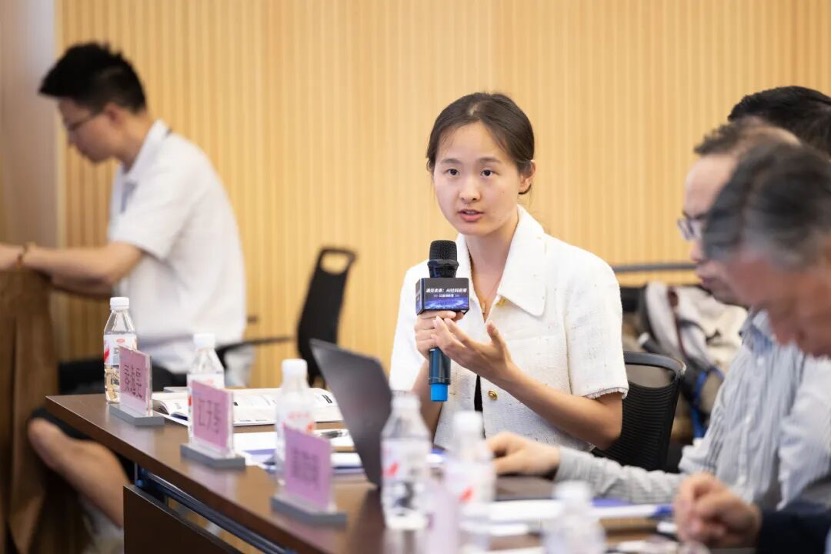
Qin Yiwen, Attorney at Landing Law Offices, expressed interest in projects related to legal risk agents and investment review case databases. She argued that such projects should start from the practical scenarios faced by small and medium-sized enterprises expanding overseas, shorten the pre-decision-making process, and improve the credibility and referential value of cases, thereby enhancing the practical value of intelligent agents.
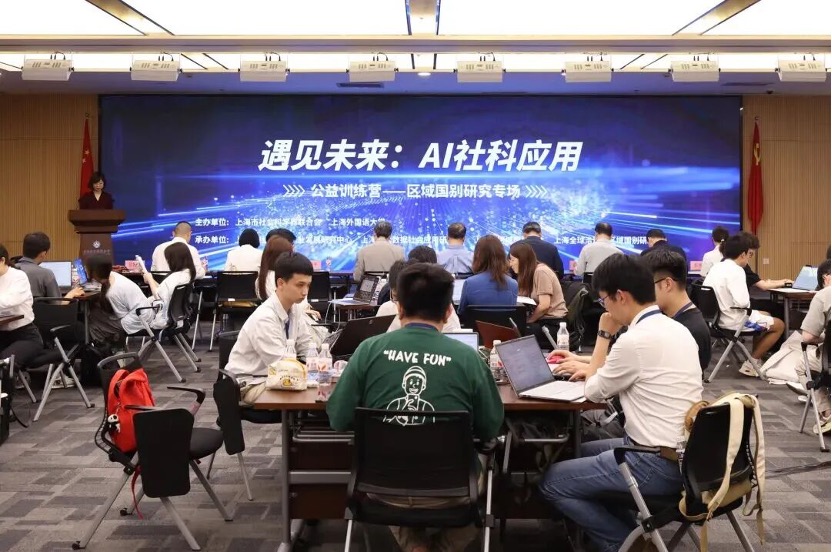
This public training camp selected ten teams from 66 submitted projects for the final project showcase. Team members came from eight universities and institutions, including Tongji University, East China Normal University, Shanghai International Studies University, Shanghai Institutes for International Studies, Donghua University, East China University of Political Science and Law, Shanghai Maritime University, and China Europe International Business School.
Centered on the question of what is possible for the liberal arts in the age of AI, the training camp addressed real pain points in area studies and guided young participants in developing the ability to identify problems, discern trends, and explore across disciplines in the field of AI applications in the social sciences. It aimed to help researchers overcome technical barriers and develop intelligent applications for area studies that can be implemented and scaled.
During the training camp, four intensive online and offline training and exchange sessions were held, covering tool use, skill sharing, knowledge base development, the use of Claude Code Superpowers, and exchanges on frontier technologies. Computing support for this session was provided by Beijing Qingcheng Jizhi Technology Co., Ltd.