

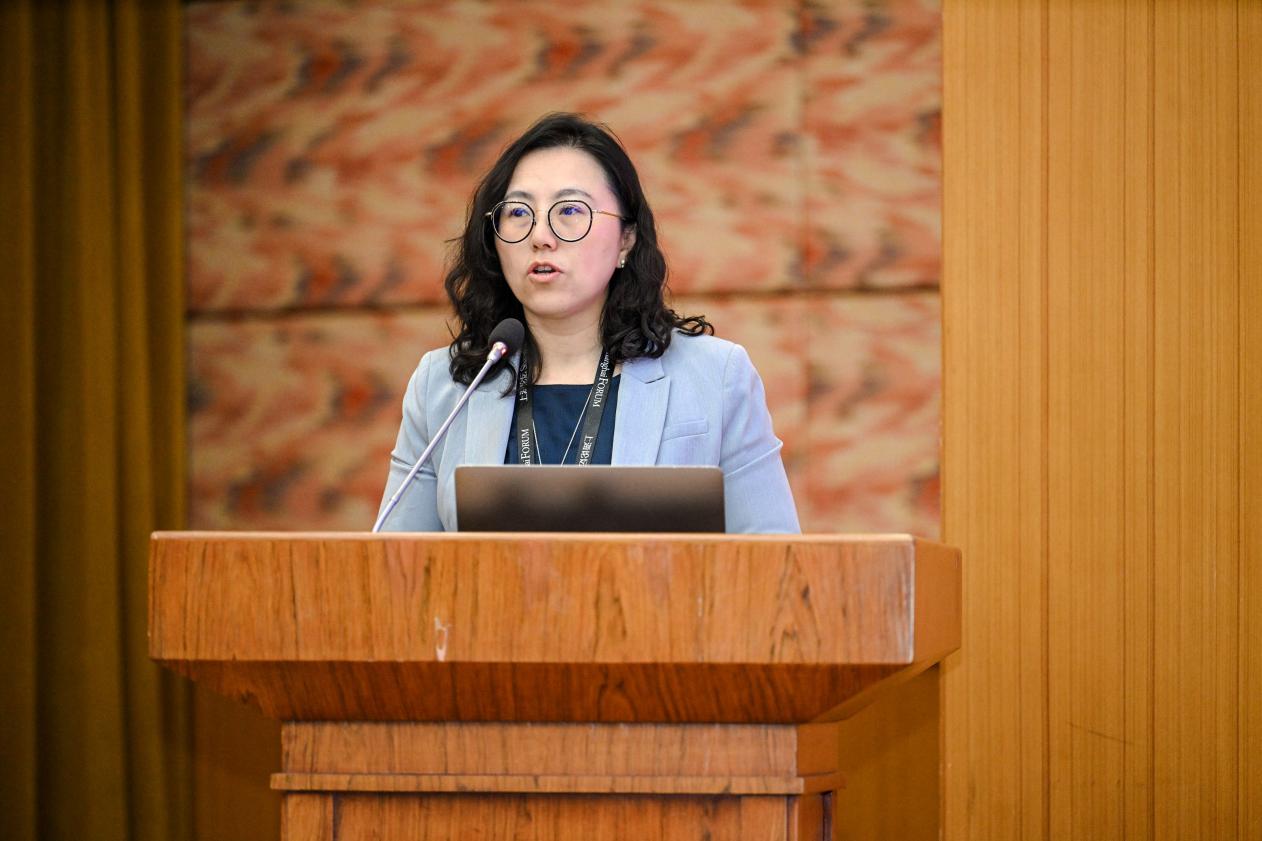
XIAO Qian
Deputy Director, Center for International Security and Strategy, Tsinghua University
AI risks are global and systemic in nature, particularly manifest in three domains: cybersecurity, biosecurity, and the misuse of AI by non-state actors. Yet current global AI governance has fallen into a geopolitical competition mindset, with collaborative dialogue being supplanted by struggles for dominance. Framing AI as a race is strategically counterproductive. On the one hand, AI capabilities depend on global supply chains, research ecosystems, and talent mobility, and cannot be independently controlled by any single nation. On the other hand, the competition narrative prioritizes speed over safety, diminishes incentives for sharing risk-related information, and transforms technology controls into instruments of national security, creating an exclusionary “technology hierarchy.” Accordingly, AI governance must shift from competitive confrontation toward pragmatic, risk-based cooperation, and from fragmented rules toward a unified and coordinated governance architecture. Countries should de-emphasize competitive narratives and establish multi-stakeholder collaborative platforms connecting governments, industry, academia, and international organizations, along with specialized cooperation mechanisms in specific domains.