


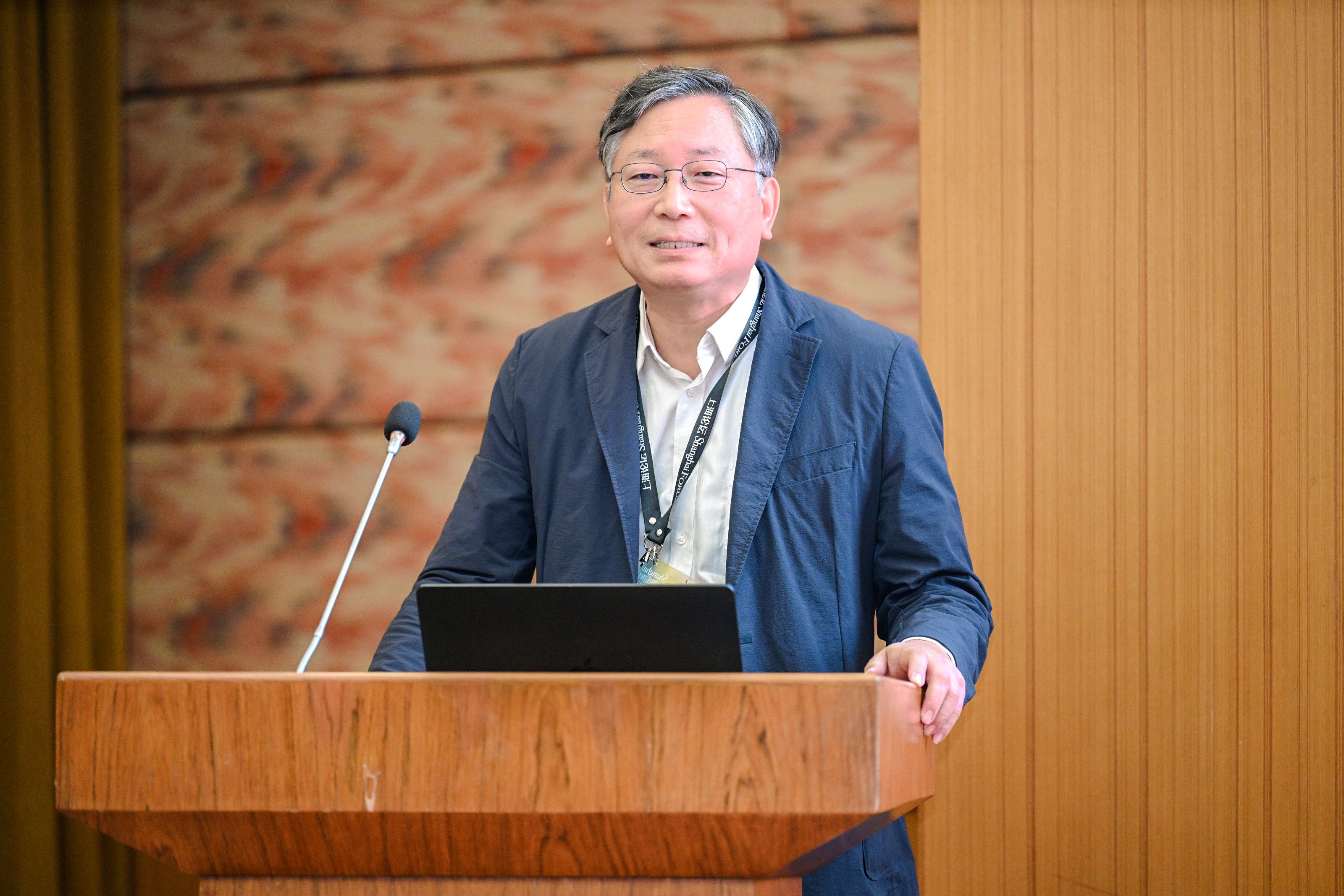
Yoo Chandong
Professor, School of Electrical Engineering, KAIST
AI is transitioning from a passive inference tool to an active autonomous agent, exacerbating the “intelligence divide” between the Global North and South. The Global North, with only 25% of the world's population, controls 80% of global income and monopolizes GPU compute clusters and top-tier AI researchers. The Global South broadly lacks digital infrastructure, electricity supply, and internet coverage, while facing the problem of “data colonization” , which means AI models are predominantly trained on Northern data and Western values, reducing Southern nations to passive users. However, AI can also serve as an equalizer: AI-powered remote tutors can narrow the educational spending gap, AI-driven diagnostic technologies can deliver medical care to underserved regions, and low-power AI solutions can address local challenges. North-South cooperation in AI should be mutually beneficial. For example, the North providing compute credits, open-source models, and energy infrastructure, while the South contributes its young workforce and critical mineral resources. Therefore, achieving universal access to intelligence resources globally.